Wachau Valley Austria
Austria
1998
Cruises availables
At departure or passage at this port
AmaWaterways (18 Cruises)
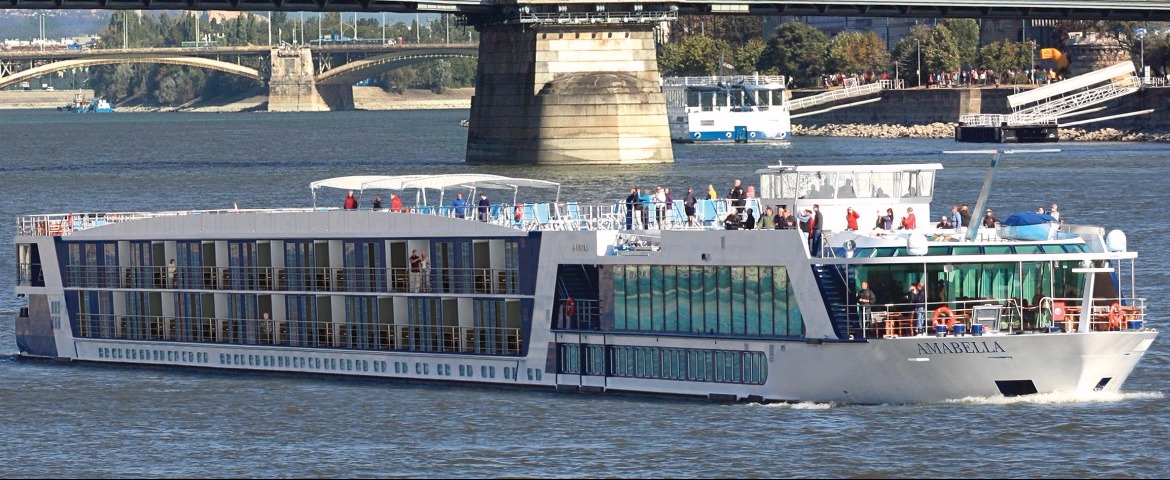

AmaReina
6 Cruises
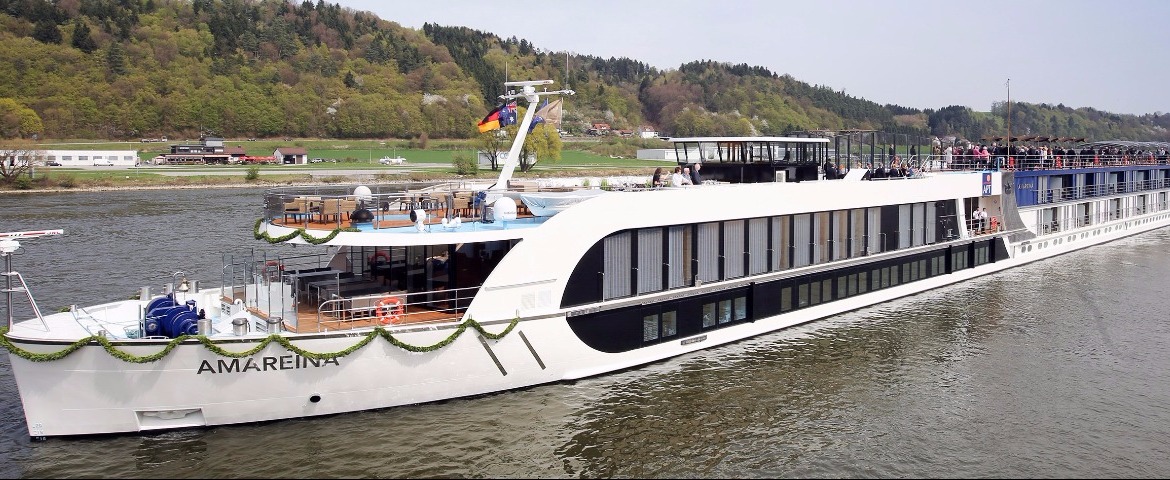
AmaSonata
7 Cruises
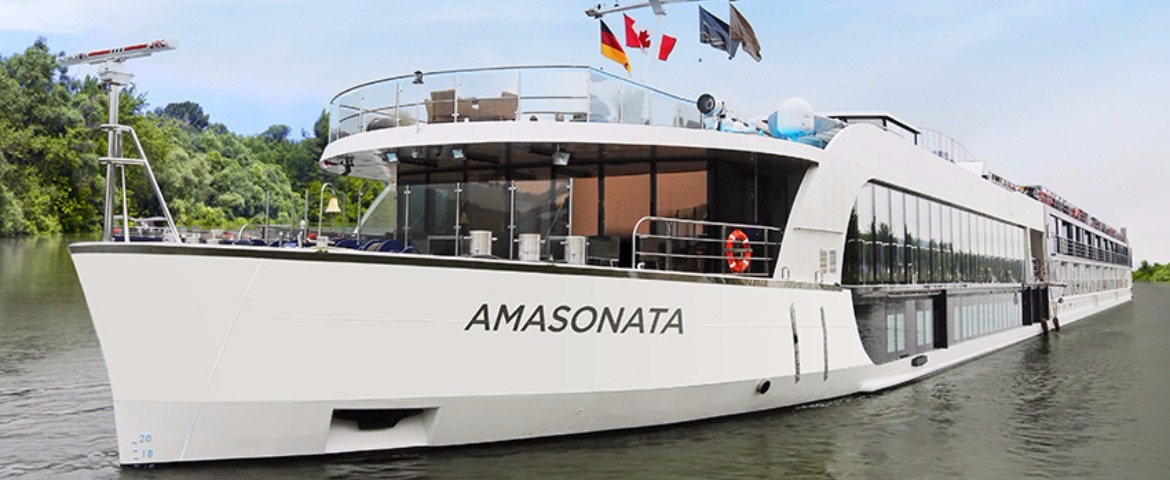
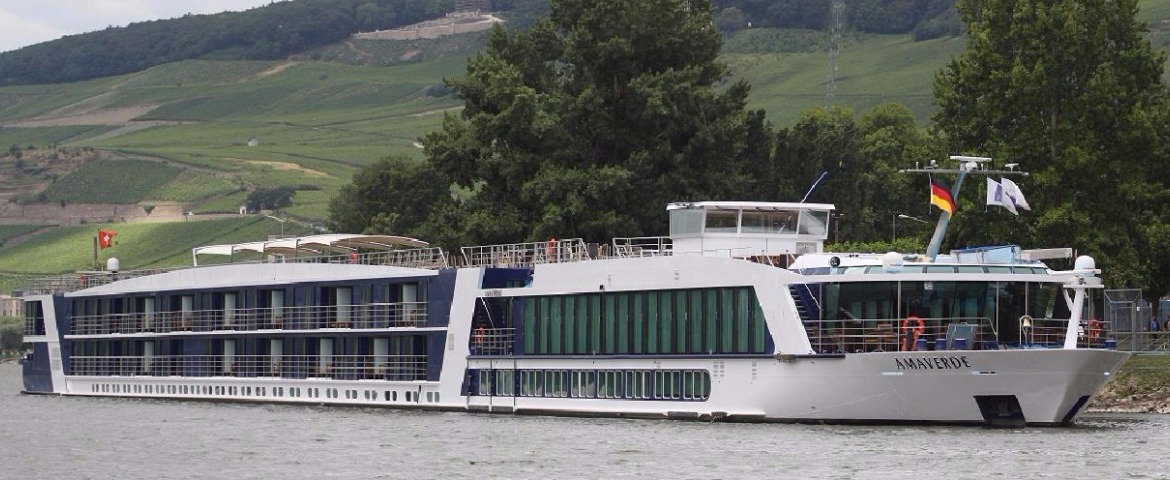
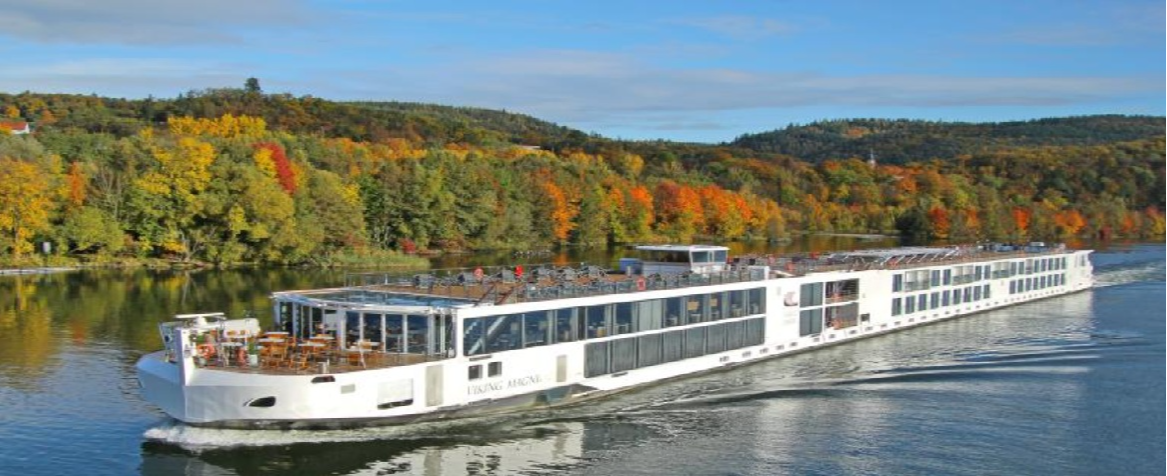
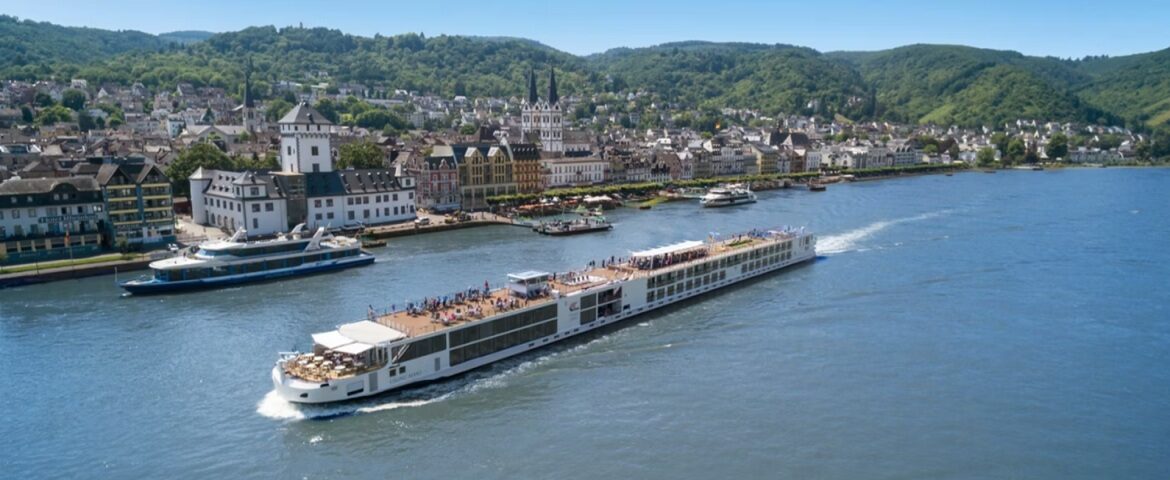
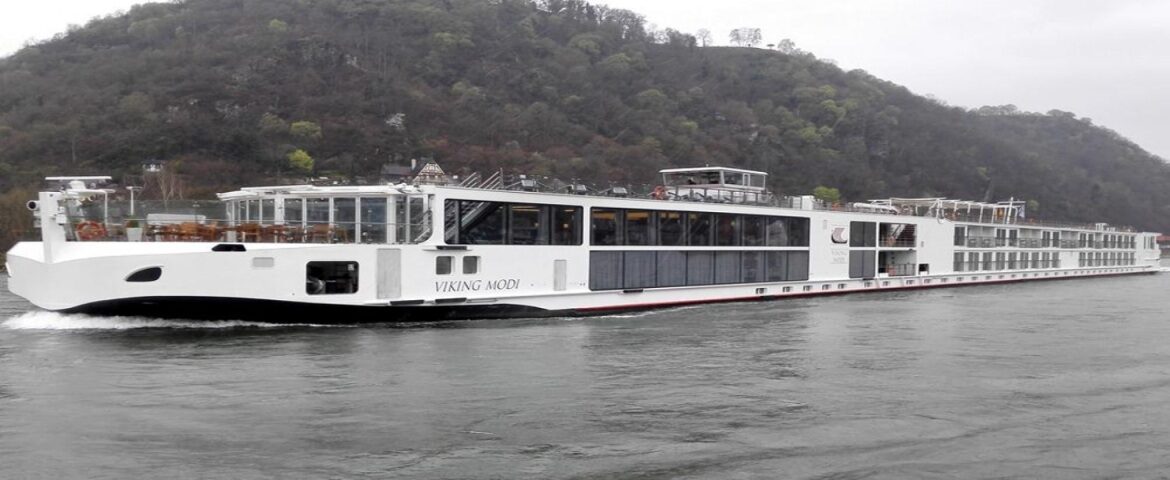
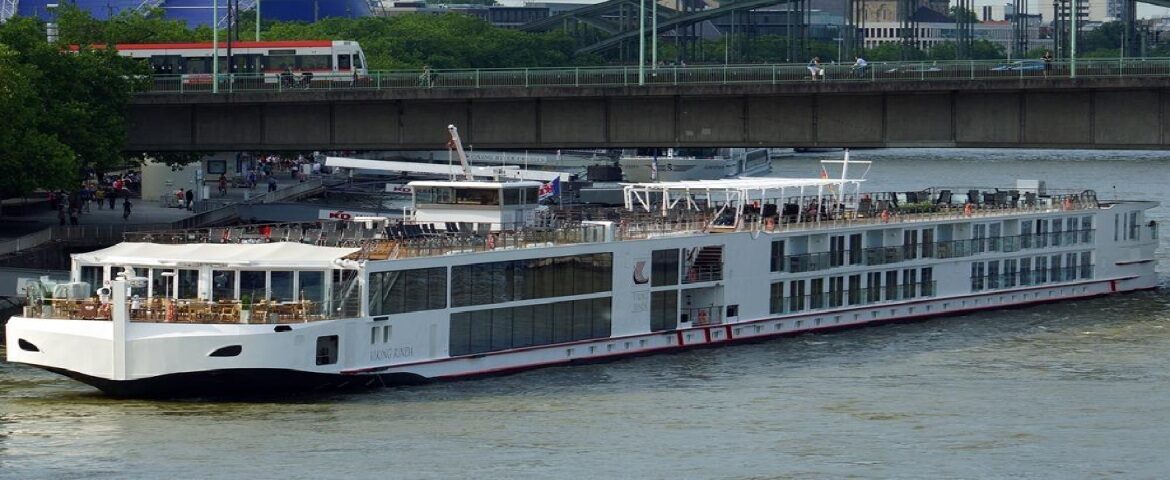
Viking River Cruises (1980 Cruises)
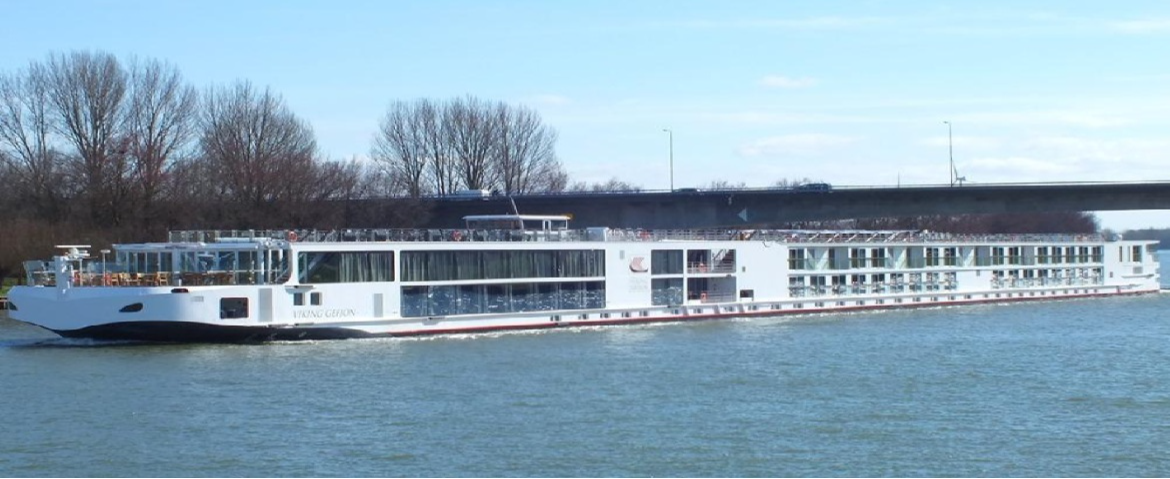
Viking Longship Gefjon
49 Cruises

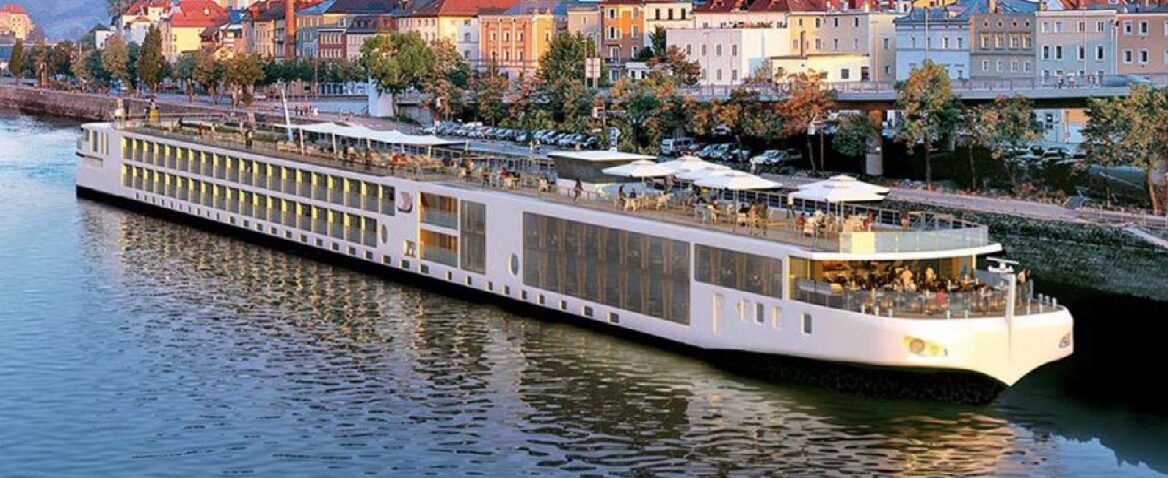
Viking Longships Aegir
95 Cruises
| 14 July | 8 days | One-way from Passau to Budapest |
450-628-6241
Call us
|
| 28 July | 8 days | One-way from Passau to Budapest |
450-628-6241
Call us
|
| 11 August | 8 days | One-way from Passau to Budapest |
450-628-6241
Call us
|
| 25 August | 8 days | One-way from Passau to Budapest |
450-628-6241
Call us
|
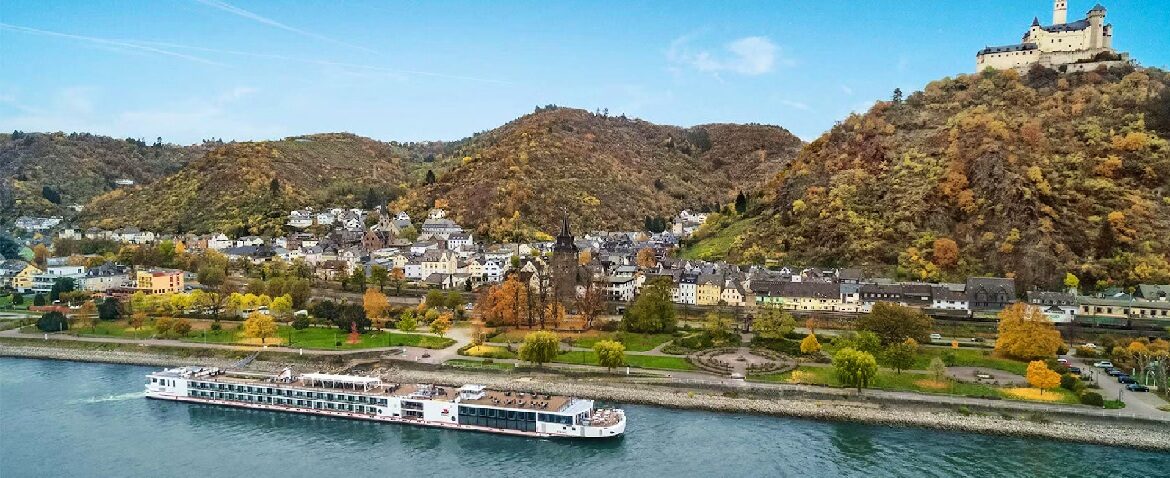
Viking Longships Atla
93 Cruises
| 21 March | 7 days | One-way from Regensburg to Budapest |
450-628-6241
Call us
|
| 21 March | 8 days | One-way from Regensburg to Budapest |
450-628-6241
Call us
|
| 25 April | 8 days | One-way from Budapest to Regensburg |
450-628-6241
Call us
|
| 25 April | 7 days | One-way from Budapest to Regensburg |
450-628-6241
Call us
|
| 26 November | 7 days | One-way from Regensburg to Budapest |
450-628-6241
Call us
|
| 26 November | 8 days | One-way from Regensburg to Budapest |
450-628-6241
Call us
|
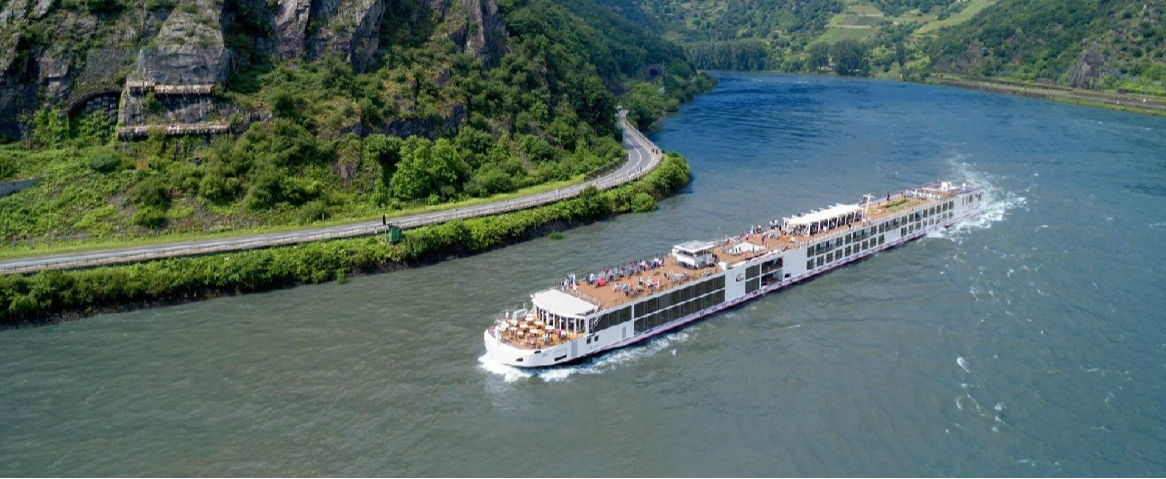
Viking Longships Baldur
22 Cruises
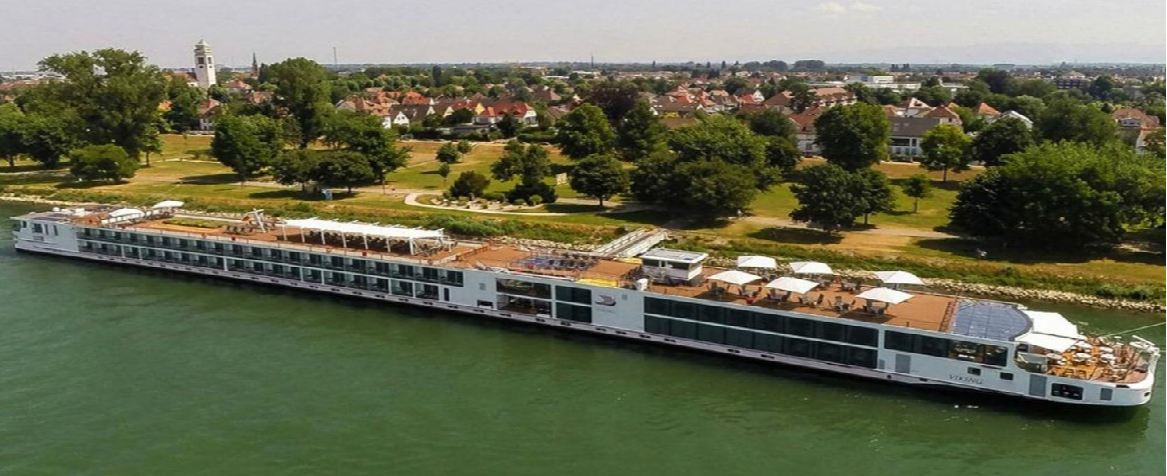
Viking Longships Bragi
146 Cruises
| 28 March | 8 days | One-way from Passau to Budapest |
450-628-6241
Call us
|
| 28 March | 7 days | One-way from Passau to Budapest |
450-628-6241
Call us
|
| 26 March | 8 days | One-way from Passau to Budapest |
450-628-6241
Call us
|
| 26 March | 7 days | One-way from Passau to Budapest |
450-628-6241
Call us
|
Viking Longships Egil
148 Cruises
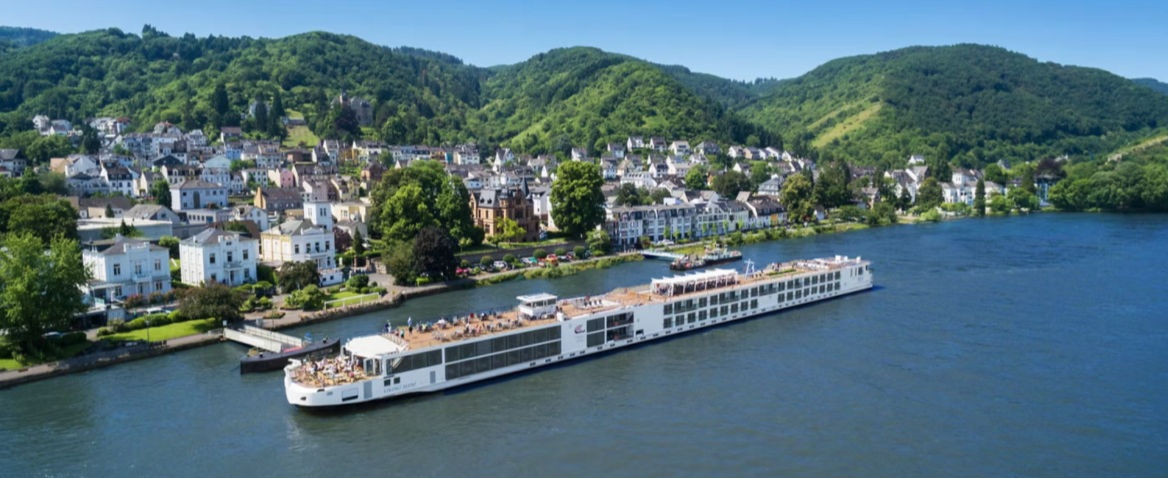
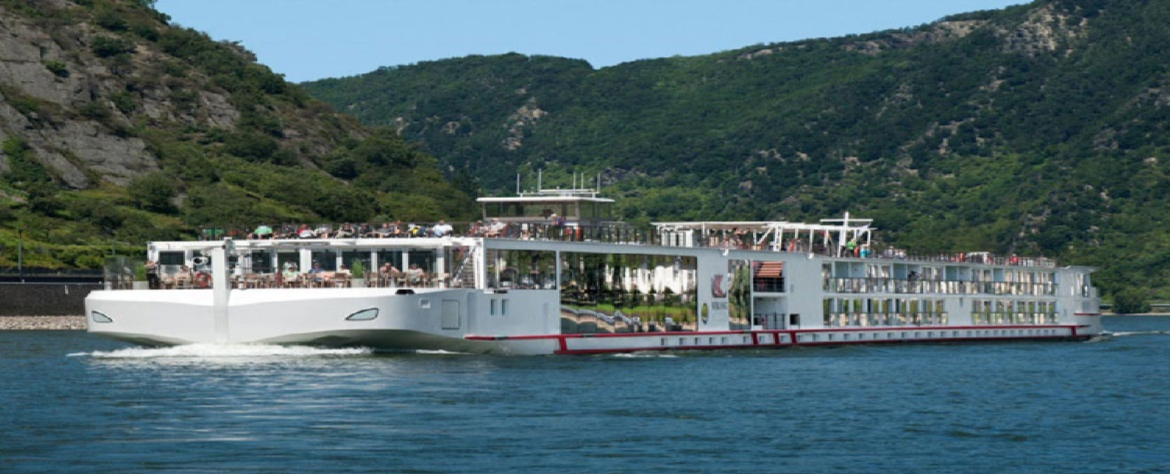
Viking Longships Embla
82 Cruises
| 29 April | 8 days | One-way from Budapest to Regensburg |
450-628-6241
Call us
|
| 29 April | 7 days | One-way from Budapest to Regensburg |
450-628-6241
Call us
|
| 9 June | 8 days | One-way from Passau to Budapest |
450-628-6241
Call us
|
| 23 June | 8 days | One-way from Passau to Budapest |
450-628-6241
Call us
|
| 7 July | 8 days | One-way from Passau to Budapest |
450-628-6241
Call us
|
| 21 July | 8 days | One-way from Passau to Budapest |
450-628-6241
Call us
|
Viking Longships Gullveig
158 Cruises
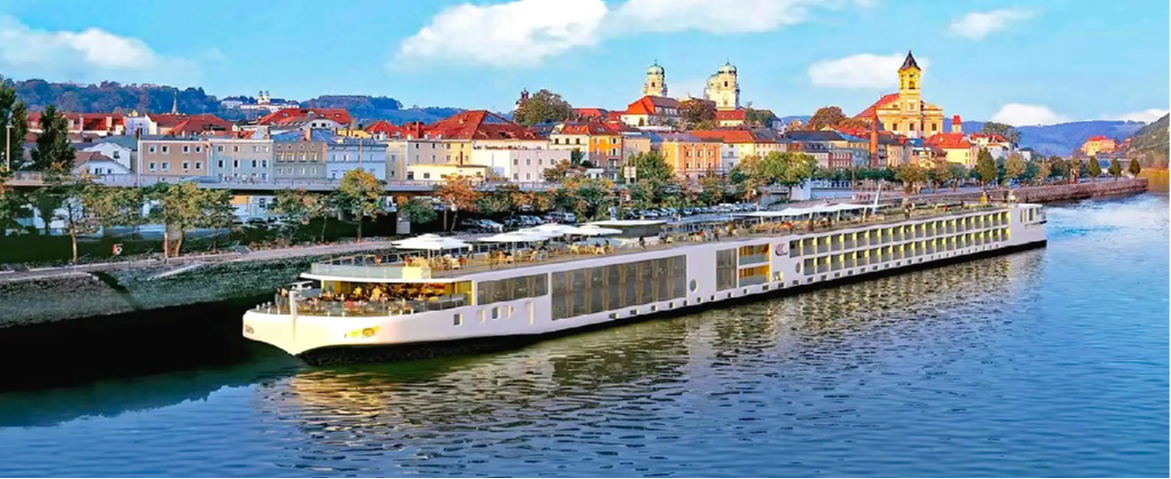
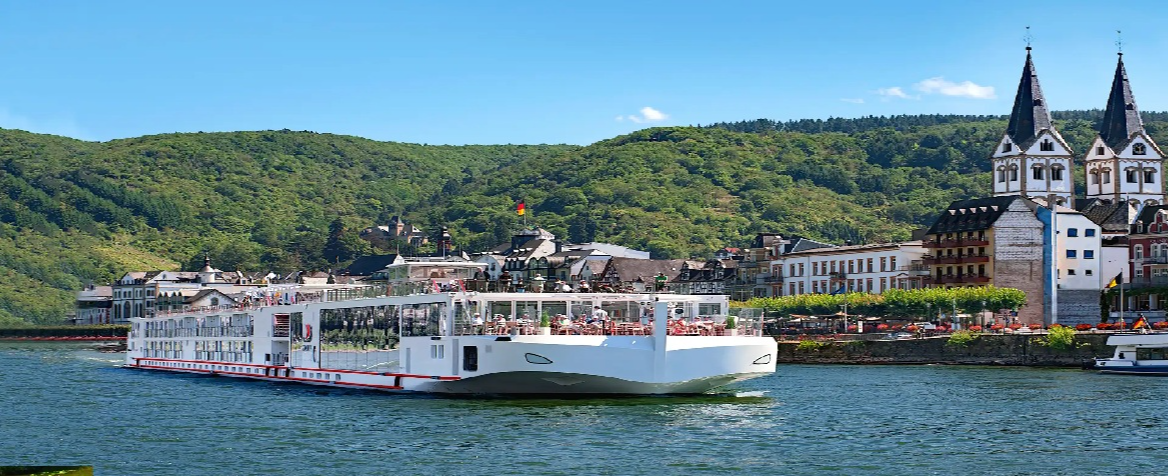
Viking Longships Ingvi
179 Cruises
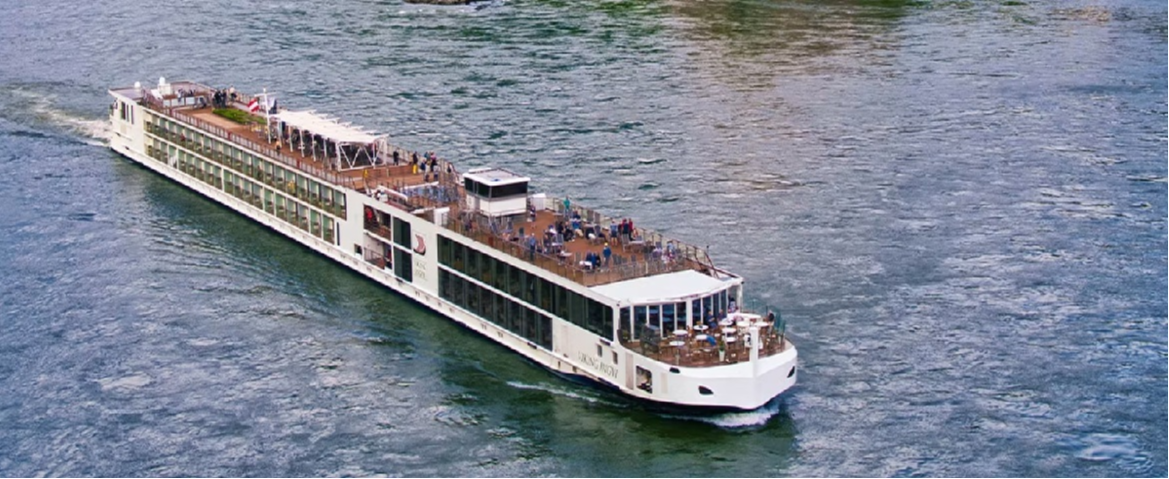
Viking Longships Jarl
87 Cruises
| 26 November | 7 days | One-way from Budapest to Regensburg |
450-628-6241
Call us
|
| 26 November | 8 days | One-way from Budapest to Regensburg |
450-628-6241
Call us
|
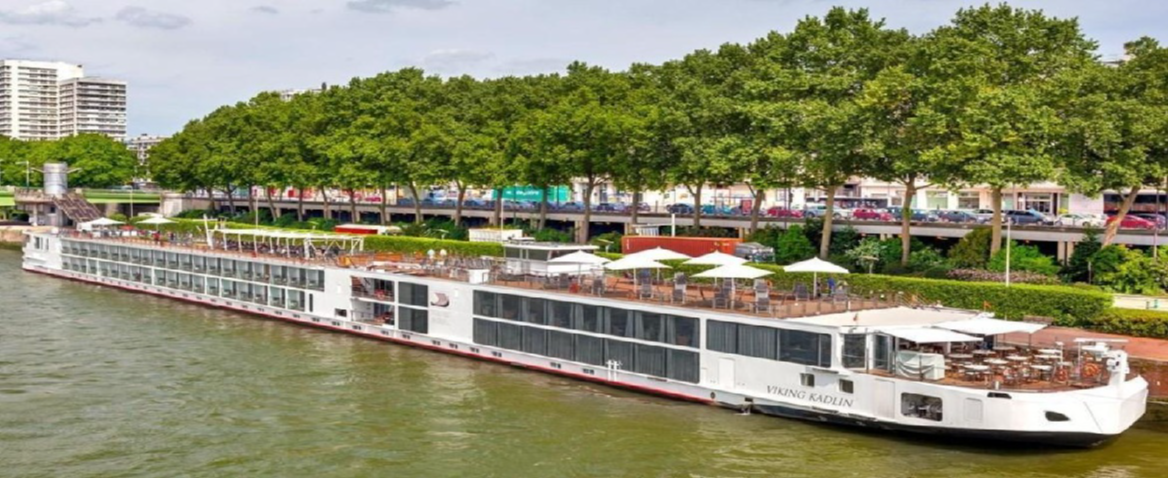
Viking Longships Kadlin
12 Cruises
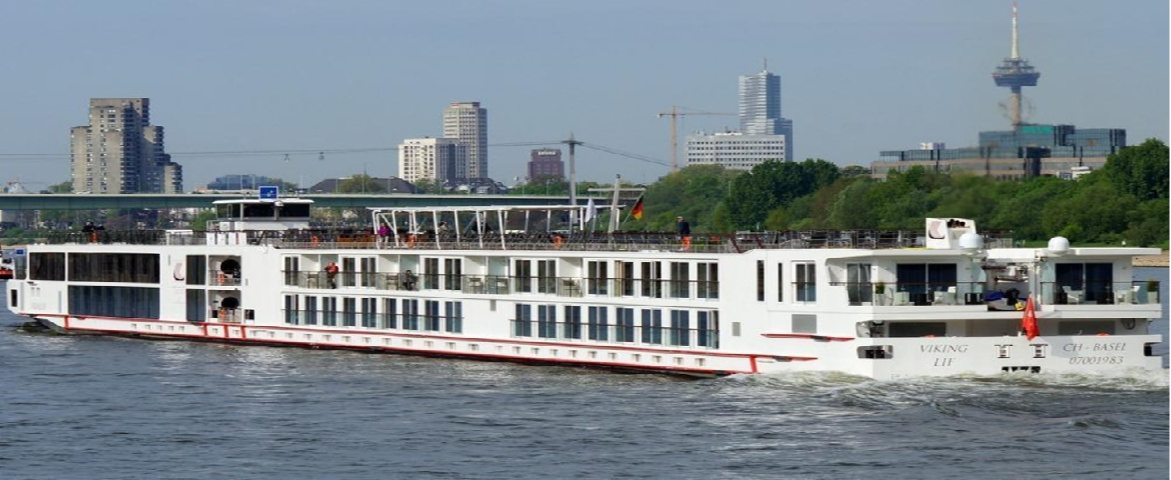
Viking Longships Lif
42 Cruises
| 21 July | 22 days | One-way from Bucharest to Amsterdam |
450-628-6241
Call us
|
| 28 July | 15 days | One-way from Budapest to Amsterdam |
450-628-6241
Call us
|
| 13 October | 22 days | One-way from Bucharest to Amsterdam |
450-628-6241
Call us
|
| 20 October | 15 days | One-way from Budapest to Amsterdam |
450-628-6241
Call us
|
Viking Longships Magni
30 Cruises
| 25 April | 14 days | One-way from Amsterdam to Budapest |
450-628-6241
Call us
|
| 25 April | 15 days | One-way from Amsterdam to Budapest |
450-628-6241
Call us
|
Viking Longships Mimir
25 Cruises
Viking Longships Modi
10 Cruises
| 13 July | 18 days | One-way from Basel to Budapest |
450-628-6241
Call us
|
| 13 July | 17 days | One-way from Basel to Budapest |
450-628-6241
Call us
|
Viking Longships Rinda
13 Cruises
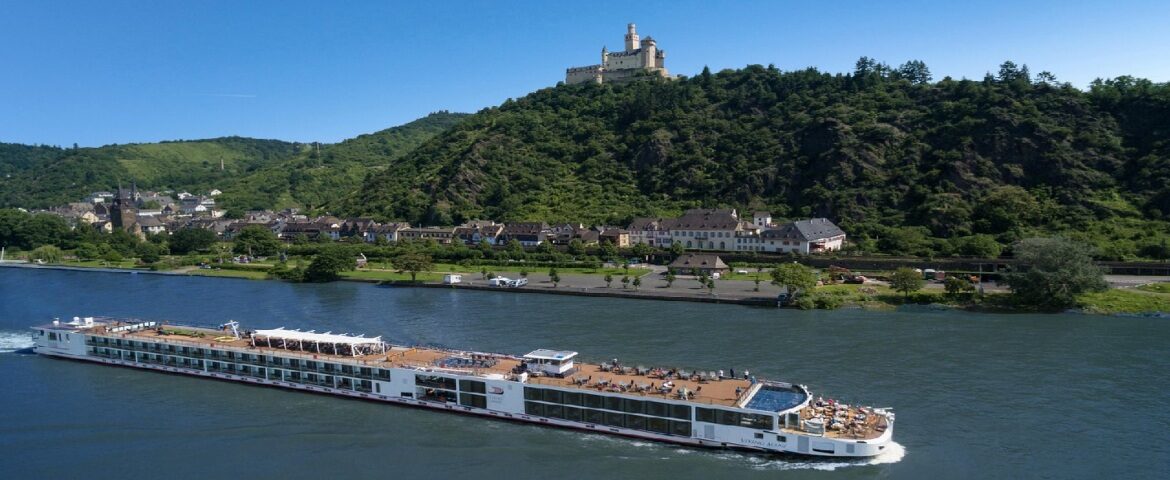
Viking Longships Skadi
150 Cruises
| 28 March | 7 days | One-way from Budapest to Passau |
450-628-6241
Call us
|
| 28 March | 8 days | One-way from Budapest to Passau |
450-628-6241
Call us
|
| 26 March | 7 days | One-way from Budapest to Passau |
450-628-6241
Call us
|
| 26 March | 8 days | One-way from Budapest to Passau |
450-628-6241
Call us
|
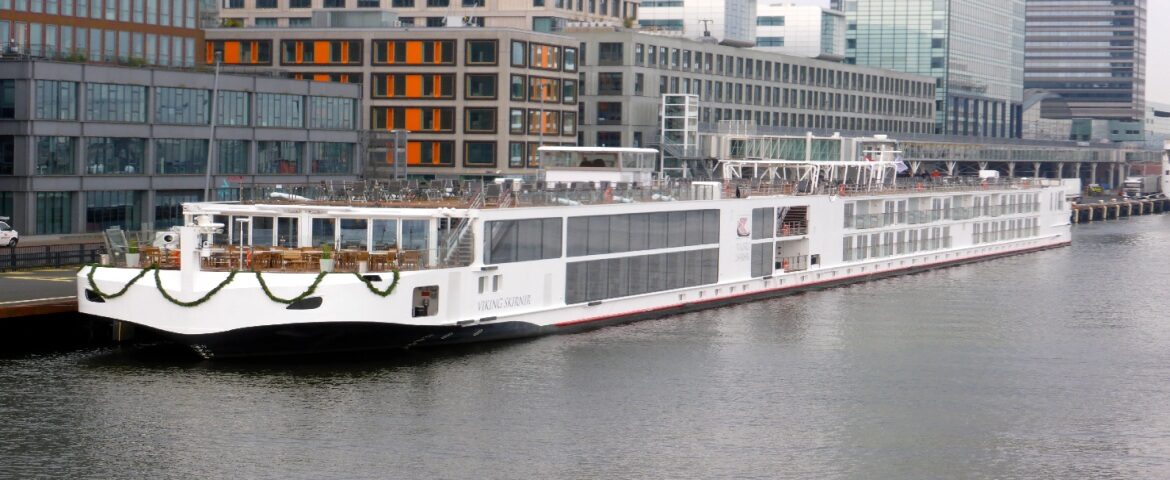
Viking Longships Skirnir
8 Cruises
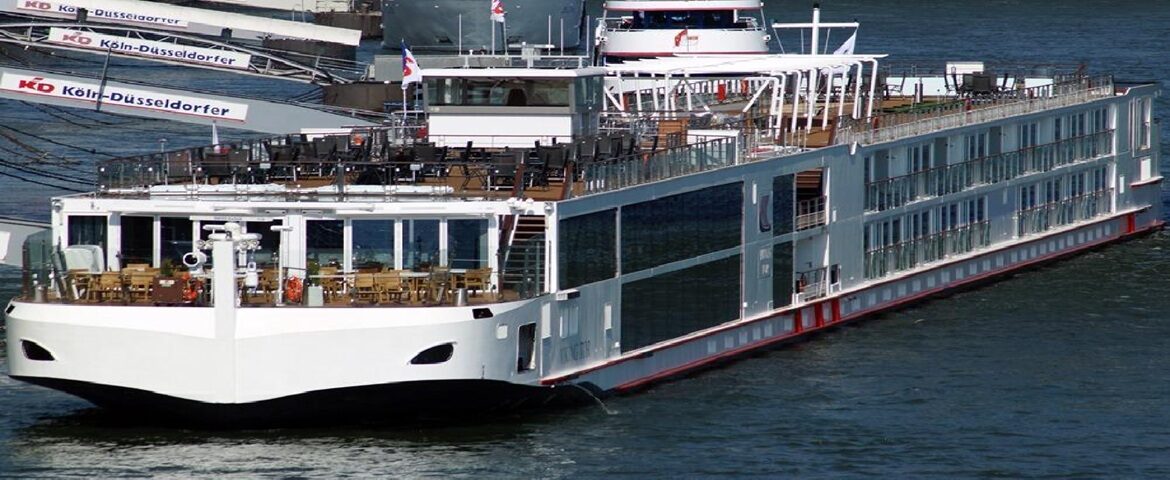
Viking Longships Tor
151 Cruises
| 14 June | 8 days | One-way from Passau to Budapest |
450-628-6241
Call us
|
| 28 June | 8 days | One-way from Passau to Budapest |
450-628-6241
Call us
|
| 12 July | 8 days | One-way from Passau to Budapest |
450-628-6241
Call us
|
| 26 July | 8 days | One-way from Passau to Budapest |
450-628-6241
Call us
|
| 9 August | 8 days | One-way from Passau to Budapest |
450-628-6241
Call us
|
| 23 August | 8 days | One-way from Passau to Budapest |
450-628-6241
Call us
|
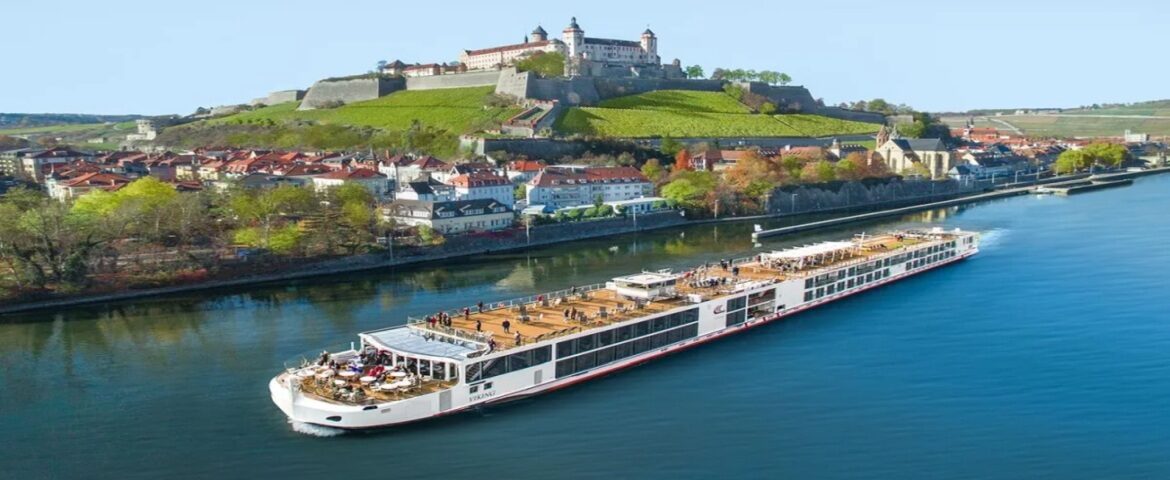
Viking Longships Var
163 Cruises
| 7 June | 8 days | One-way from Passau to Budapest |
450-628-6241
Call us
|
| 21 June | 8 days | One-way from Passau to Budapest |
450-628-6241
Call us
|
| 5 July | 8 days | One-way from Passau to Budapest |
450-628-6241
Call us
|
| 19 July | 8 days | One-way from Passau to Budapest |
450-628-6241
Call us
|
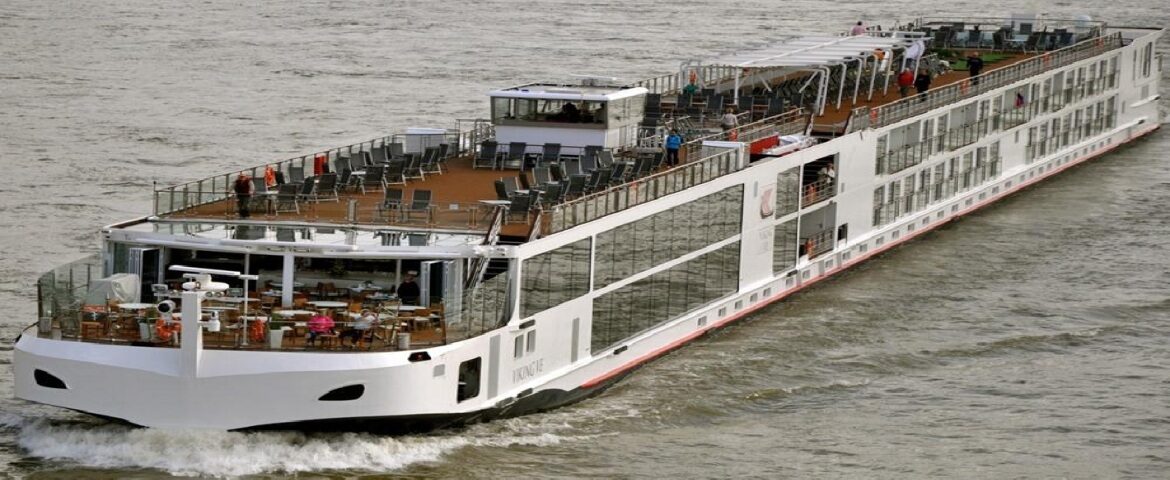
Viking Longships Ve
51 Cruises
| 18 May | 14 days | One-way from Amsterdam to Budapest |
450-628-6241
Call us
|
| 18 May | 15 days | One-way from Amsterdam to Budapest |
450-628-6241
Call us
|
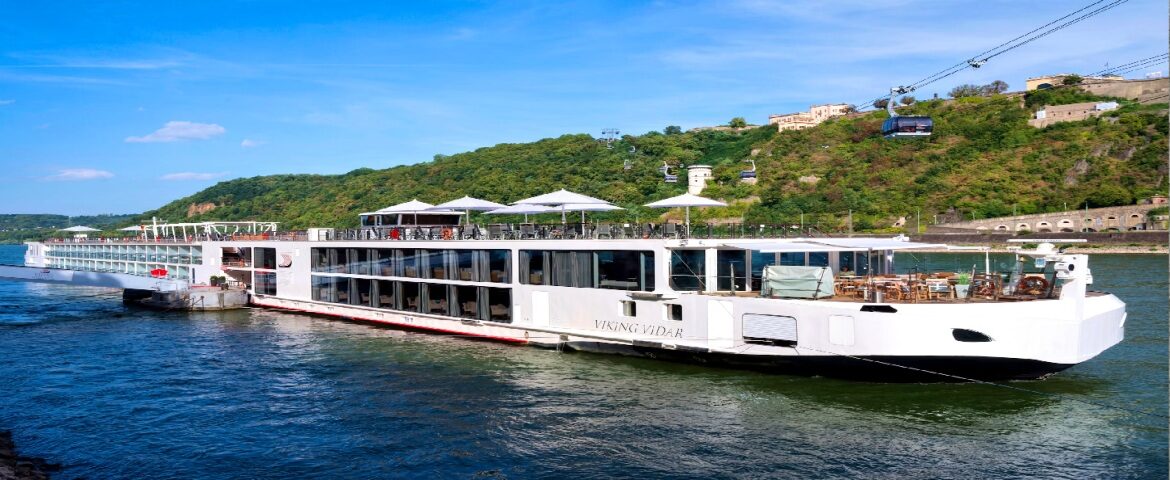
Viking Longships Vidar
45 Cruises
| 18 August | 22 days | One-way from Bucharest to Amsterdam |
450-628-6241
Call us
|
| 25 August | 15 days | One-way from Budapest to Amsterdam |
450-628-6241
Call us
|
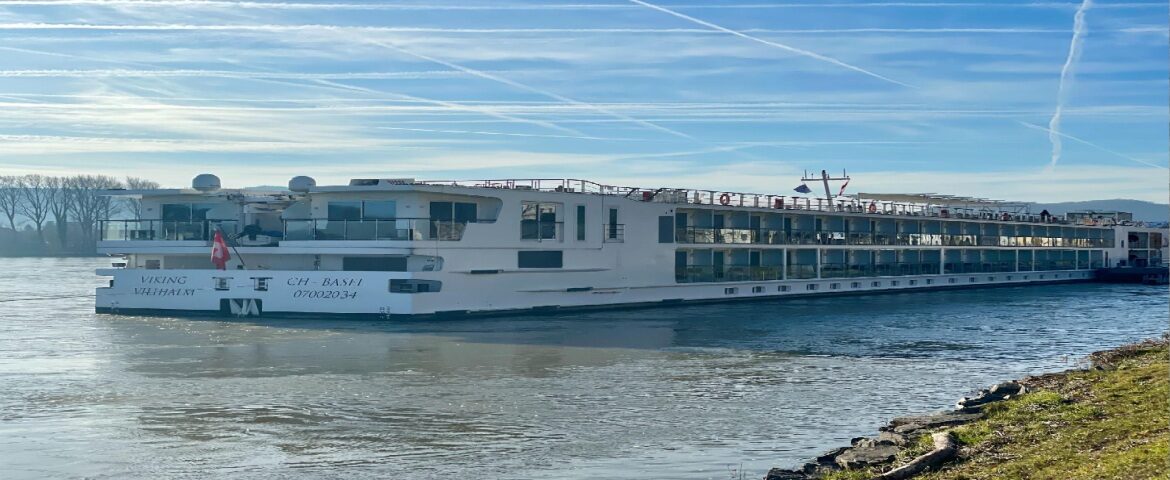
Viking Longships Vilhjalm
188 Cruises
| 12 June | 8 days | One-way from Passau to Budapest |
450-628-6241
Call us
|
| 26 June | 8 days | One-way from Passau to Budapest |
450-628-6241
Call us
|
| 10 July | 8 days | One-way from Passau to Budapest |
450-628-6241
Call us
|
| 24 July | 8 days | One-way from Passau to Budapest |
450-628-6241
Call us
|
Viking Longships Vili
33 Cruises
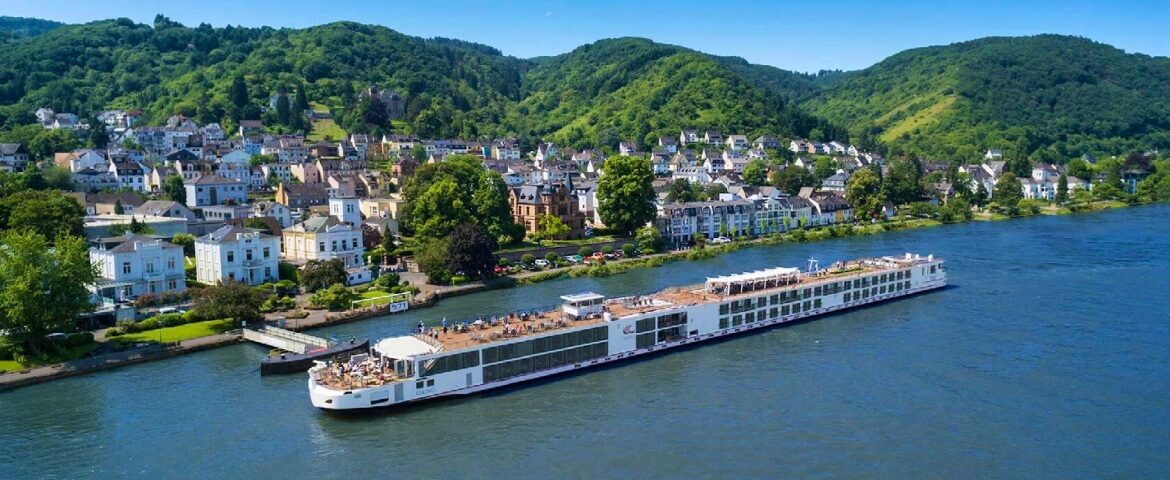

Wachau Valley | Cruise Port Guide
Frequently Asked Questions
No, and that is what makes this call unusual: it is experienced without mooring, from the upper deck. Several lines do add a stop at Melk, Dürnstein or Krems to extend the pleasure ashore.
In Lower Austria, between Melk and Krems, along about 35 km where the Danube threads between hills, church towers and hilltop castles. The landscape is a World Heritage site.
Right bank: Melk Benedictine Abbey at the upstream entrance, the small castle of Schönbühel at the water's edge, then the ruin of Aggstein high on its spur. Left bank: Willendorf, Spitz with its vine-covered hill, the fortified church of St Michael, the roofs of Weissenkirchen and the blue and white steeple of Dürnstein.
A few hours. Depending on the itinerary, the valley is run downstream with the current or worked upstream more slowly; in the narrowest sections the pace seems to ease of its own accord.
On the upper deck, and early: the loungers fill quickly and the keenest passengers claim a seat by lunchtime. Crew circulate with blankets and hot drinks when the air cools.
A limestone figurine roughly 30,000 years old, uncovered in 1908 during railway works at Willendorf, on the valley's left bank. It is what made this modest hamlet famous.
For its blue and white steeple, marking the most photographed bend in the valley, and for the ruin clinging to the rock above the village: Richard the Lionheart was held prisoner there in the winter of 1192-1193, returning from crusade.
Apricot, the celebrated Marille, whose orchards whiten the valley in spring and scent jams and brandies the rest of the year. The terraces mainly carry Grüner Veltliner and Riesling.
The euro and German, since the valley is entirely Austrian. As this call is experienced on board, everything is settled with the cabin card anyway.
It is a contemplative call, to be honest about it. The cable ferries, crossing the river without engines on the current alone, and the hilltop castles hold attention for a while, but several hours of scenery ask patience of younger children.


