Speightstown Barbados
76
Cruises availables
At departure or passage at this port
Emerald Waterways (66 Cruises)
Emerald Azzurra
57 Cruises
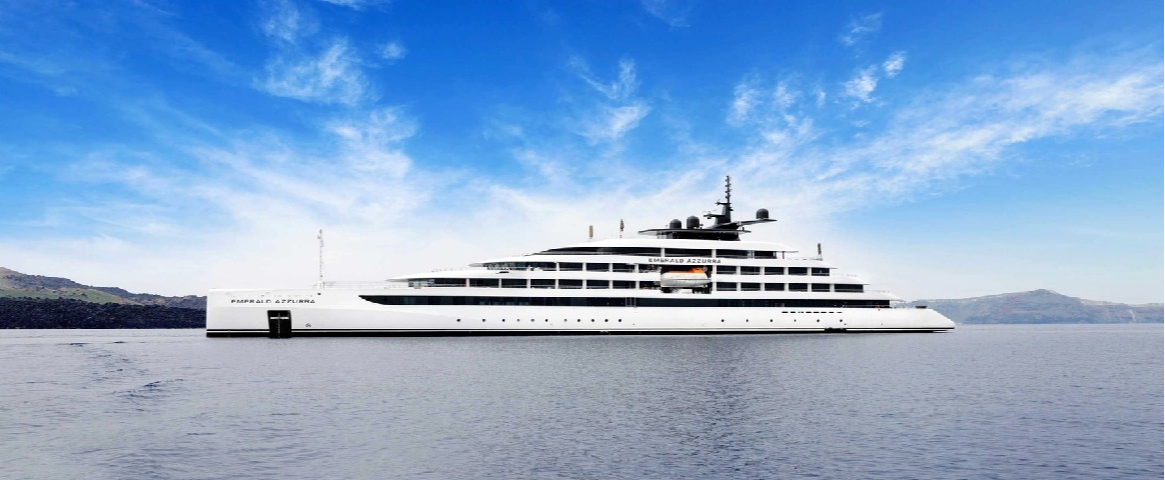

| 20 November | 16 nights | One-way from Marigot to Bridgetown |
450-628-6241
Call us
|
| 29 November | 7 nights | Round-trip from Bridgetown, Barbados |
450-628-6241
Call us
|
| 23 January | 7 nights | Round-trip from Bridgetown, Barbados |
450-628-6241
Call us
|
| 24 January | 6 days | Round-trip 7 Night Grenadines and Windward Islands Yachting Cruise |
450-628-6241
Call us
|
| 20 February | 7 nights | Round-trip from Bridgetown, Barbados |
450-628-6241
Call us
|
| 21 February | 6 days | Round-trip 7 Night Grenadines and Windward Islands Yachting Cruise |
450-628-6241
Call us
|
| 20 March | 7 nights | Round-trip from Bridgetown, Barbados |
450-628-6241
Call us
|
| 21 March | 6 days | Round-trip 7 Night Grenadines and Windward Islands Yachting Cruise |
450-628-6241
Call us
|
| 27 November | 7 nights | Round-trip from Bridgetown, Barbados |
450-628-6241
Call us
|
| 28 November | 6 days | Round-trip 7 Night Grenadines and Windward Islands Yachting Cruise |
450-628-6241
Call us
|
| 1 April | 7 nights | Round-trip from Bridgetown, Barbados |
450-628-6241
Call us
|
| 2 April | 6 days | Round-trip 7 Night Grenadines and Windward Islands Yachting Cruise |
450-628-6241
Call us
|
| 6 January | 7 nights | Round-trip from Bridgetown, Barbados |
450-628-6241
Call us
|
| 7 January | 6 days | Round-trip 7 Night Grenadines and Windward Islands Yachting Cruise |
450-628-6241
Call us
|
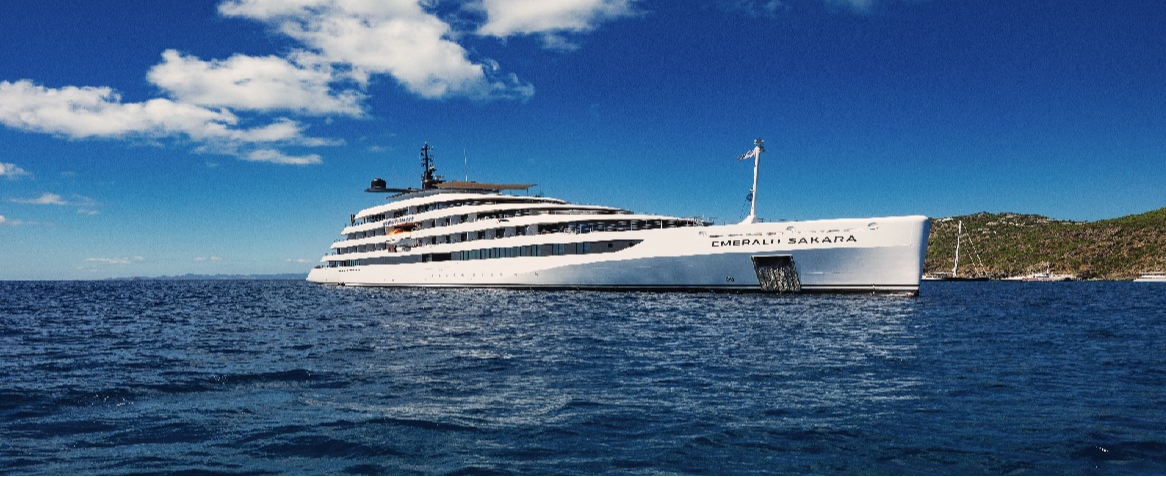
Emerald Sakara
9 Cruises
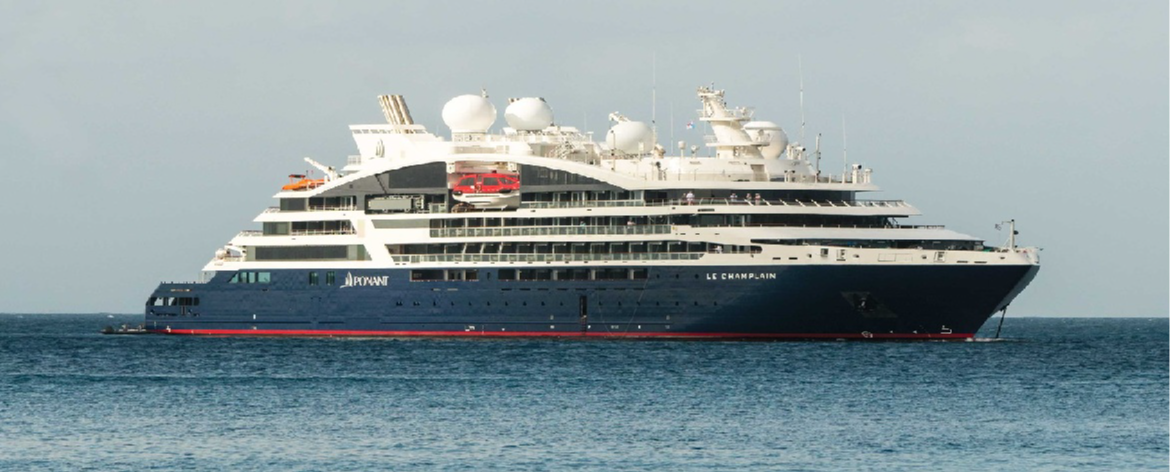
Ponant (5 Cruises)



Port of Speightstown, Barbados | Cruise Port Guide
Frequently Asked Questions
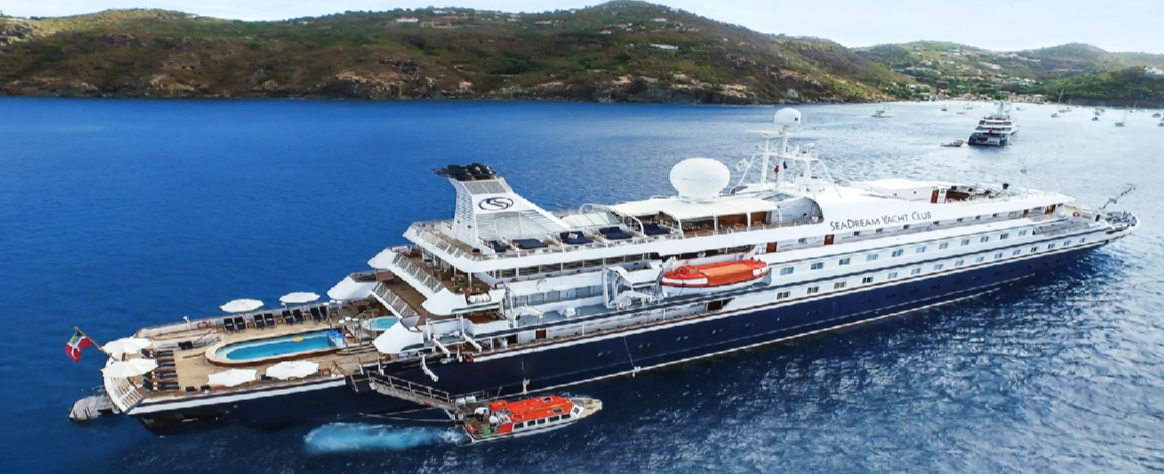
At anchor off the northwest coast, the most sheltered side of the island. Passengers come ashore by tender right in the middle of town; there is no deep-water pier here.
Yes. The town is small and flat, with short distances. No shuttle or taxi is needed to cover the essentials.
A morning covers it: Queen Street and Church Street for the Georgian facades, the Arlington House museum for history, the fish market late in the morning, then the seaside boardwalk toward the beach.
A museum inside a restored 18th-century merchant house. Three floors cover the slave trade, sugar, captains and smugglers. Allow about an hour.
Because its wharves shipped sugar straight to England without passing through Bridgetown. That trading era left a row of Georgian facades with wooden galleries.
Yes, just south of the centre, and Mullins Beach a little further along has golden sand, loungers for rent and a beach bar. The sea on this leeward coast stays calm nearly all year.
Yes. Swimmers and kayakers reach nearby reefs straight from the beach, where green turtles and shoals of surgeonfish gather. Organized outings leave from the shore and neighbouring hotels.
Both Barbadian and US dollars circulate; bring small bills for the market. English is spoken, with Bajan Creole among locals.
Yes. The blue local buses make the run in about 40 minutes for a few dollars. It is an experience in itself, but leave a wide margin if the ship sails early.
Yes. Everything is walkable, the sea is calm, and the interactive displays at Arlington House appeal to children, who can take the helm of a virtual merchant ship.


