AmaWaterways: who actually owns the ships, and what that changes for you
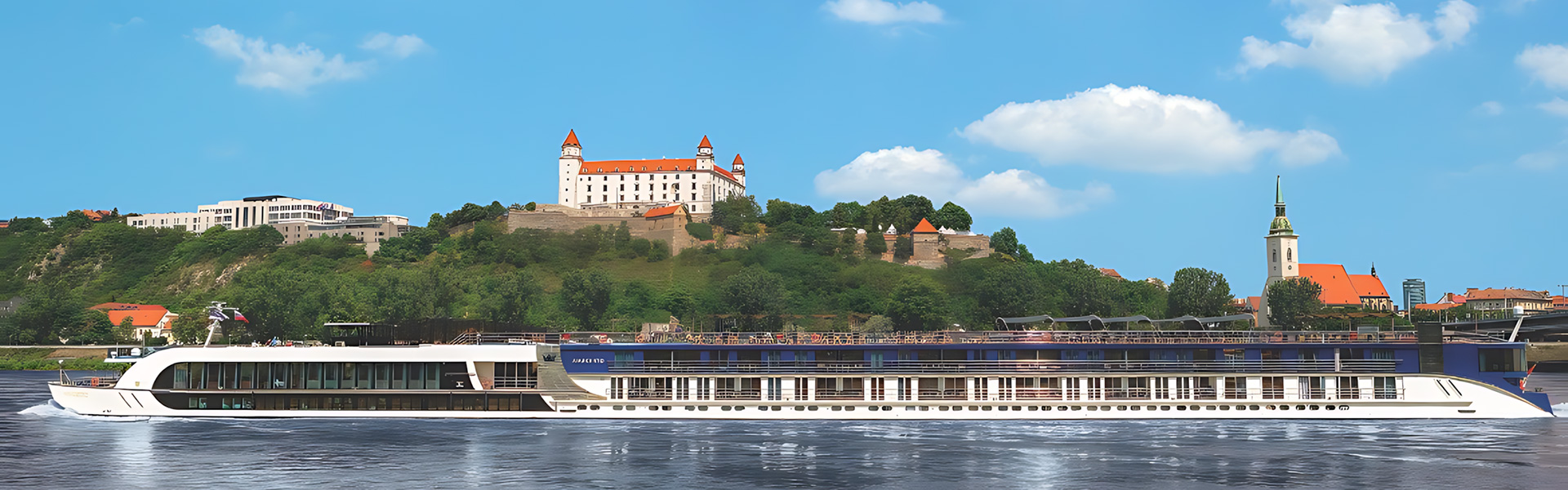
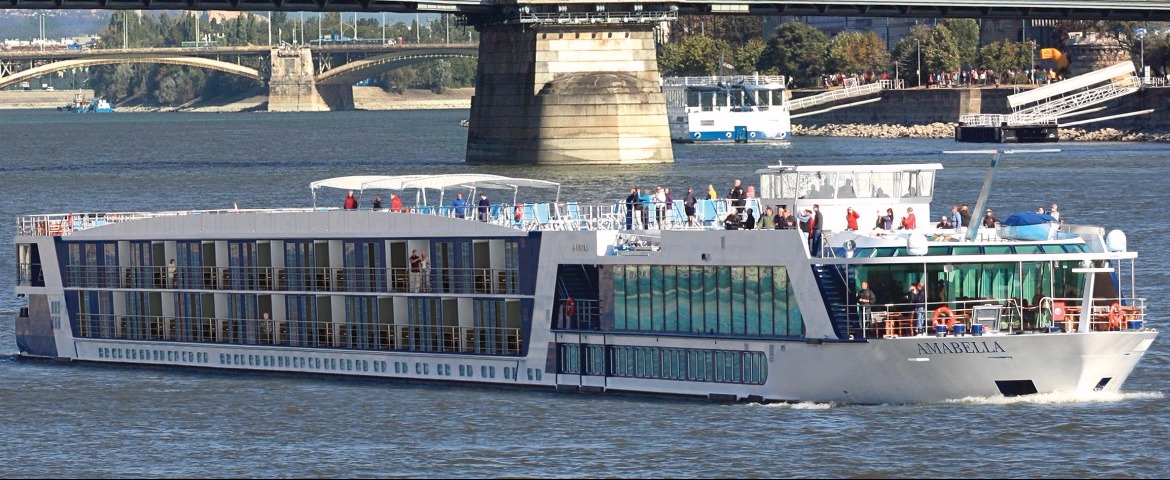
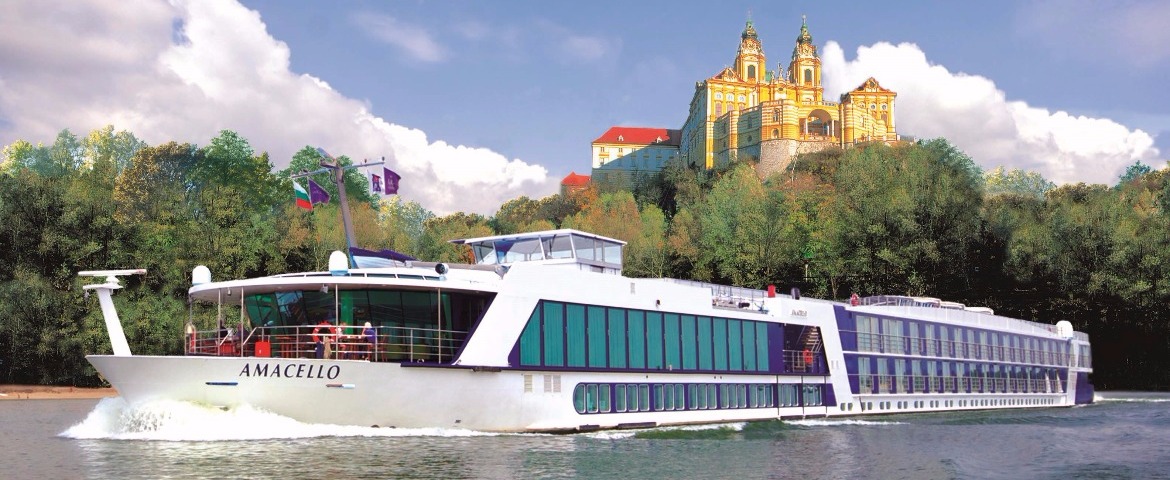
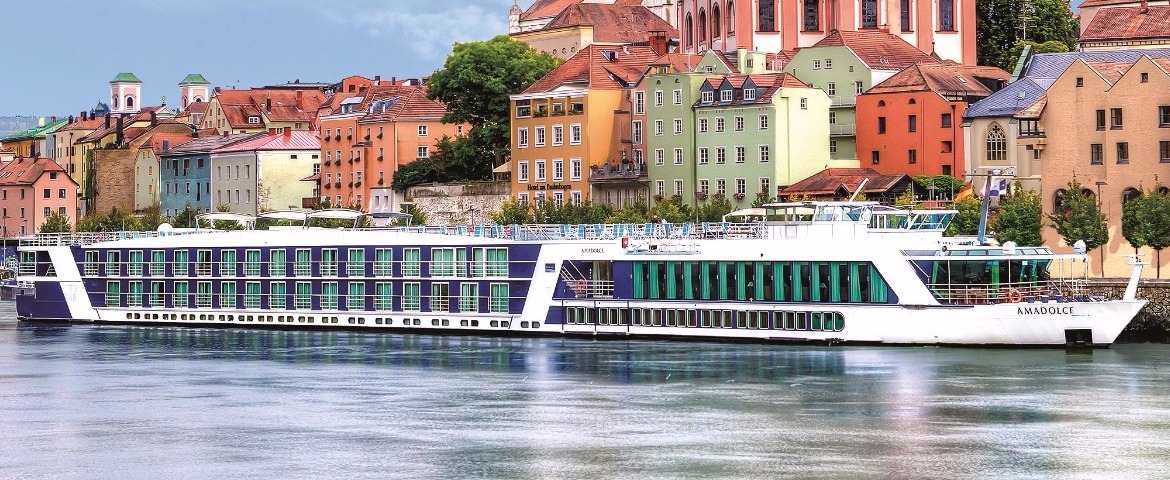
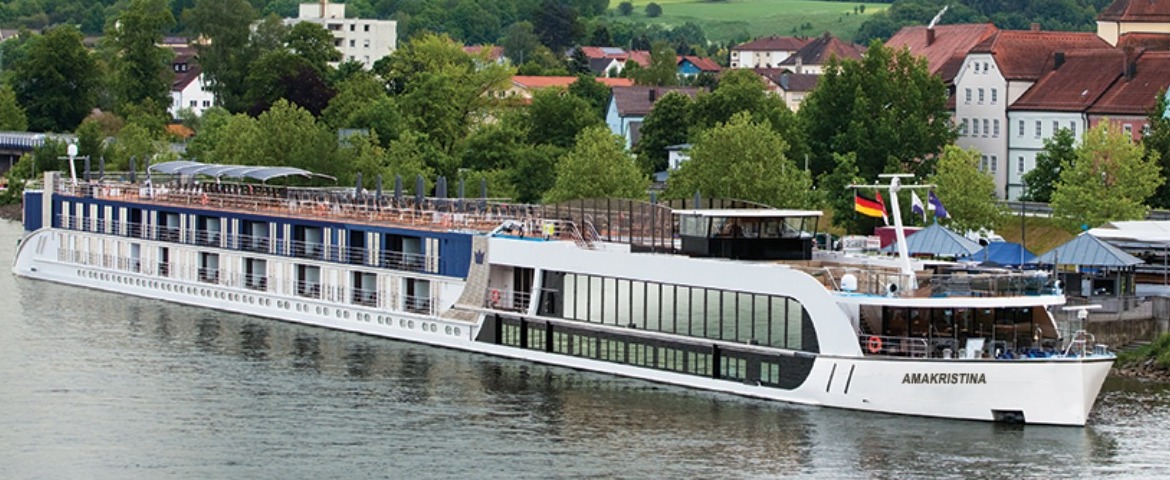
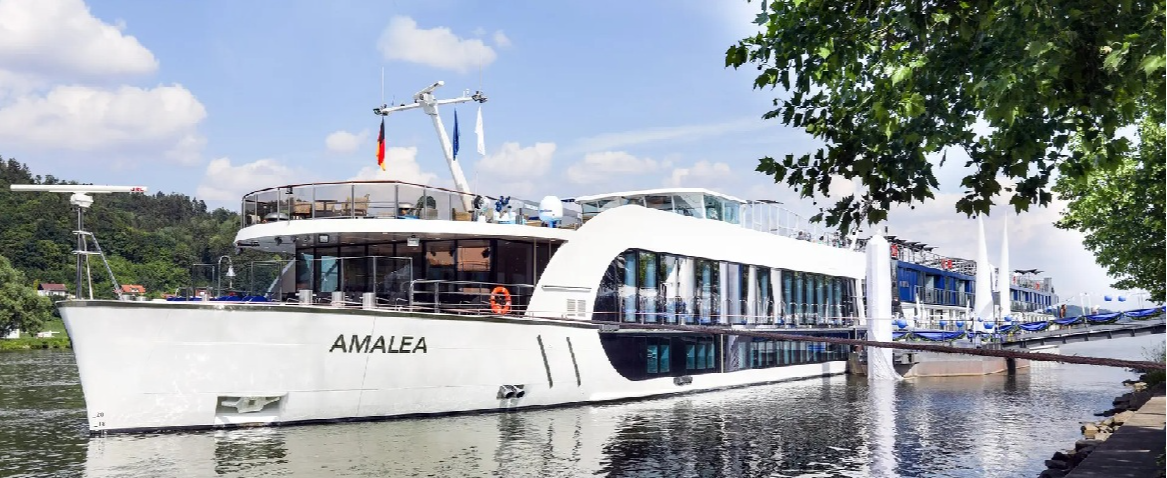
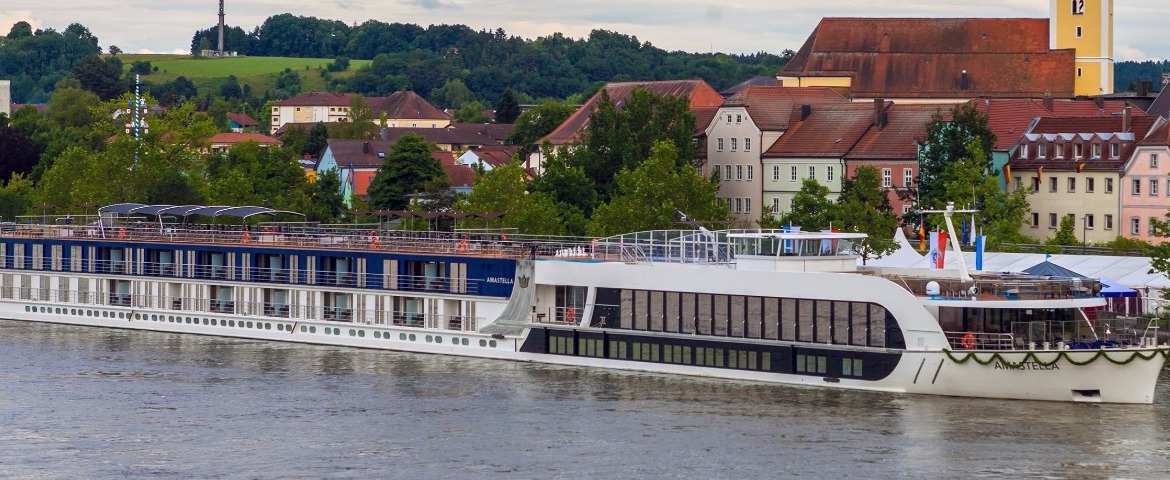
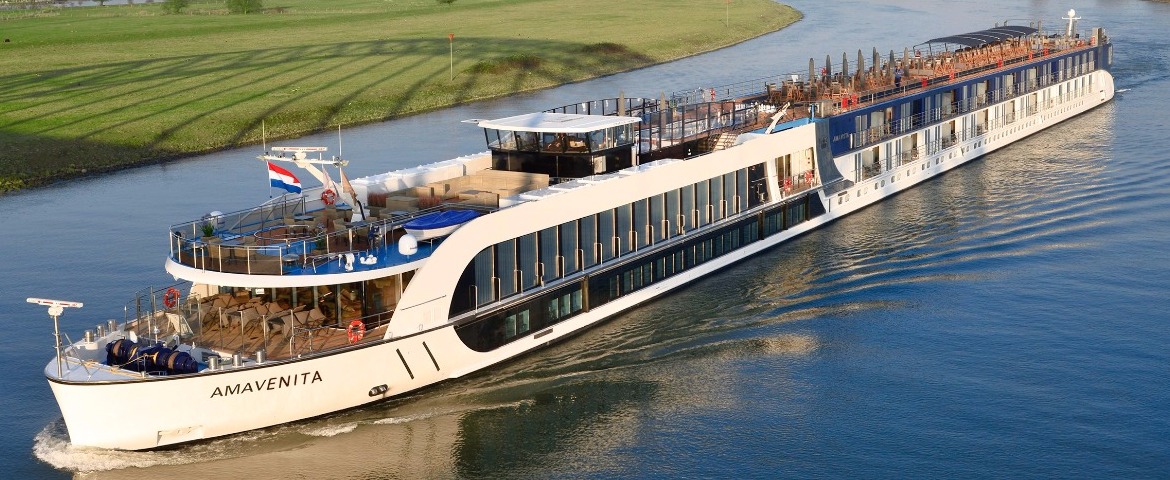
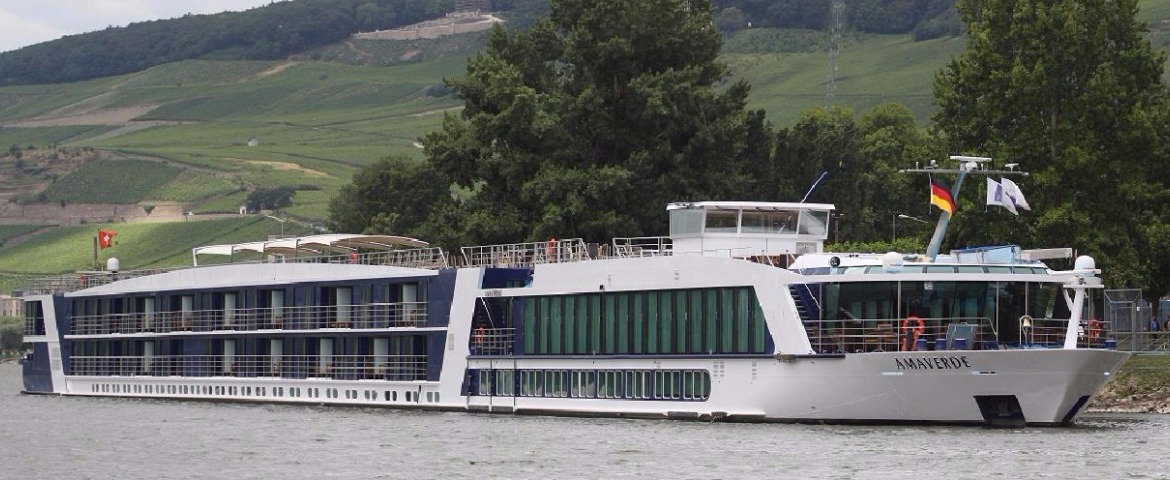
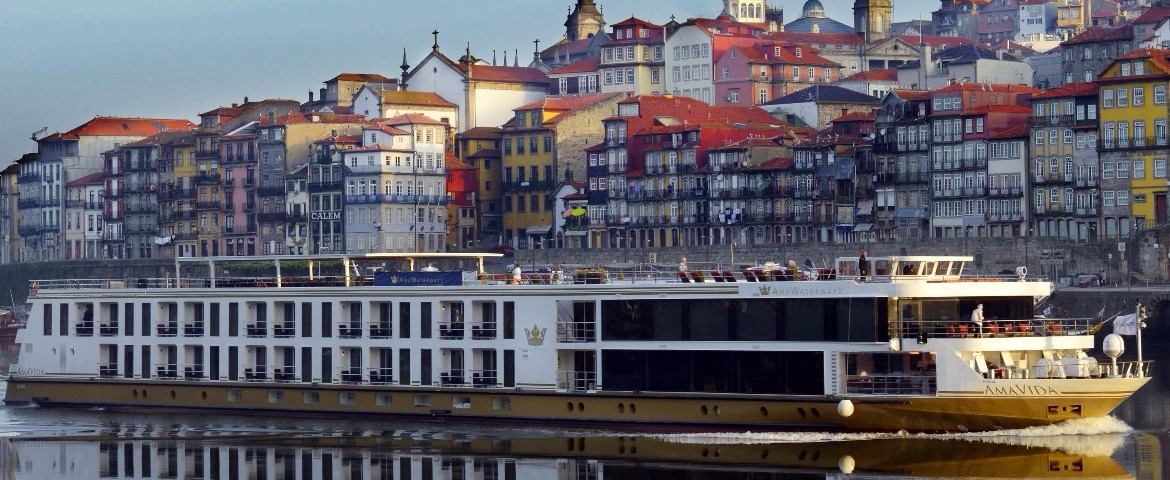
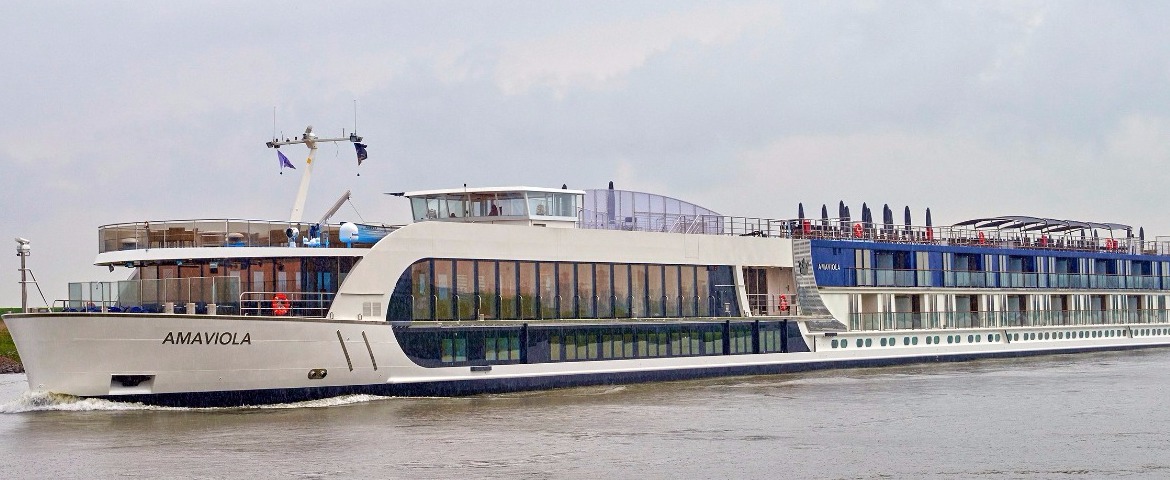
We carry the AmaWaterways fleet on the Danube, the Rhine, the Douro, the Seine, the Mekong, the Nile and the Chobe. Zambezi Queen leads our calendar, ahead of AmaVenita, AmaBella and AmaStella. The number of cruises currently on offer is shown at the top of this page.
Who owns the ships
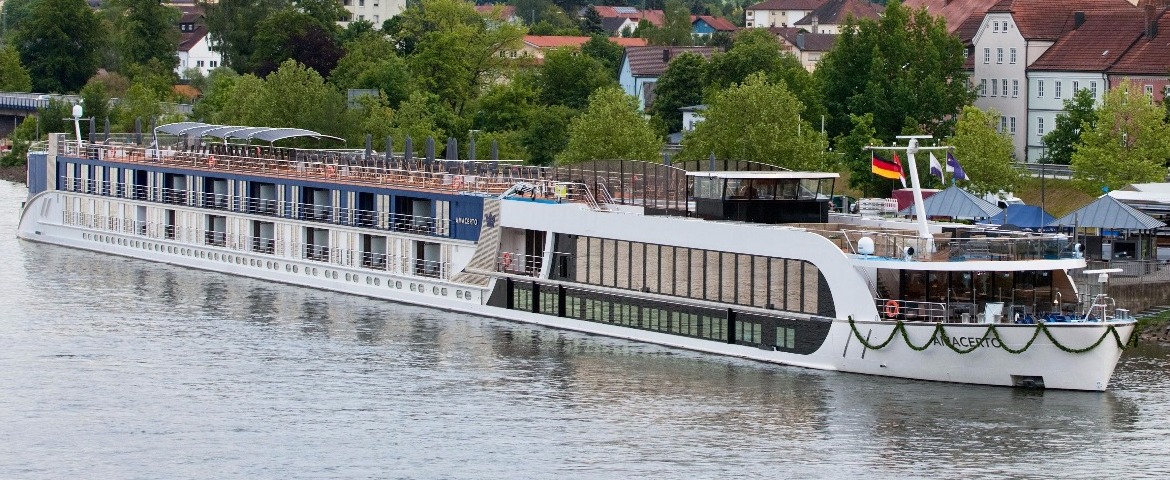
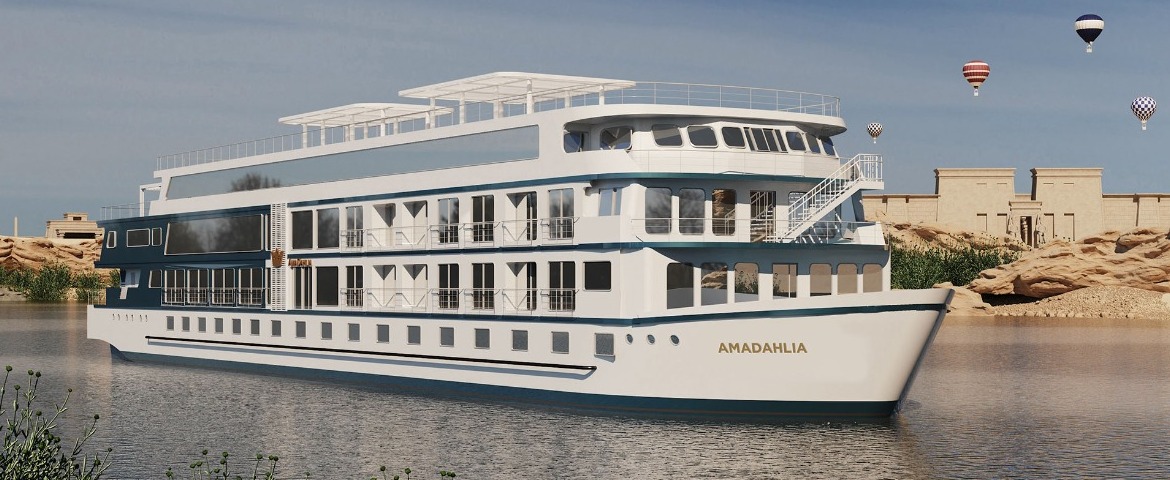
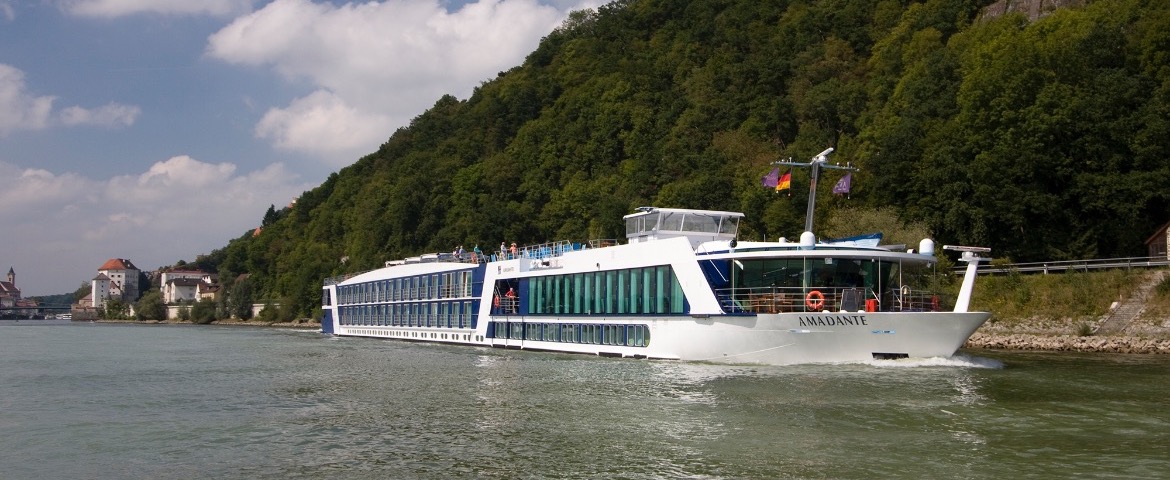
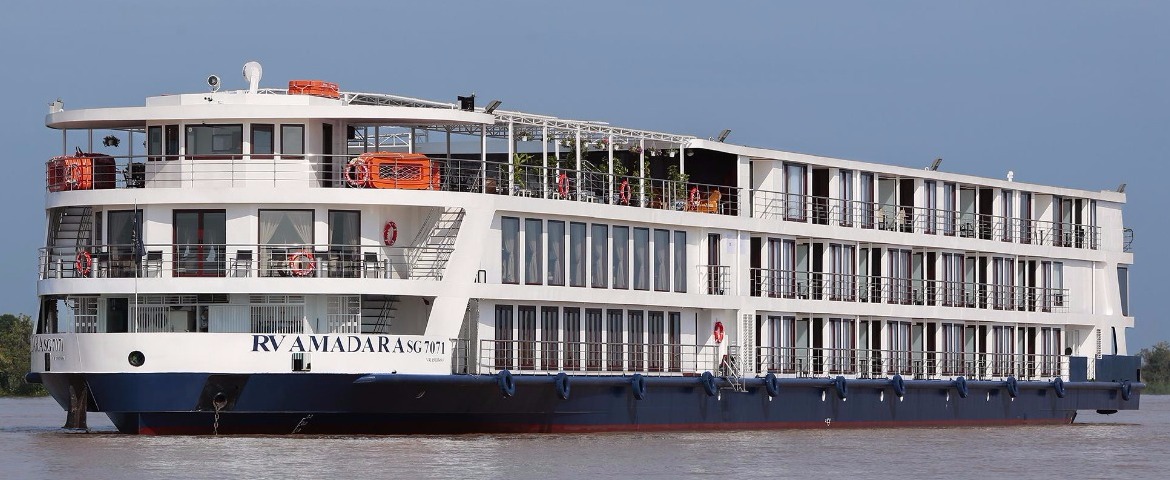
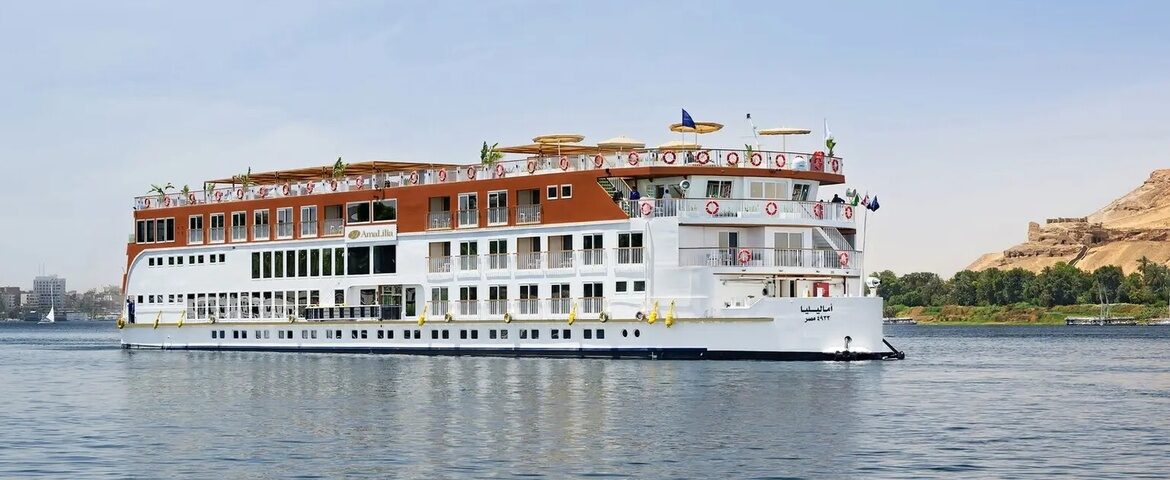
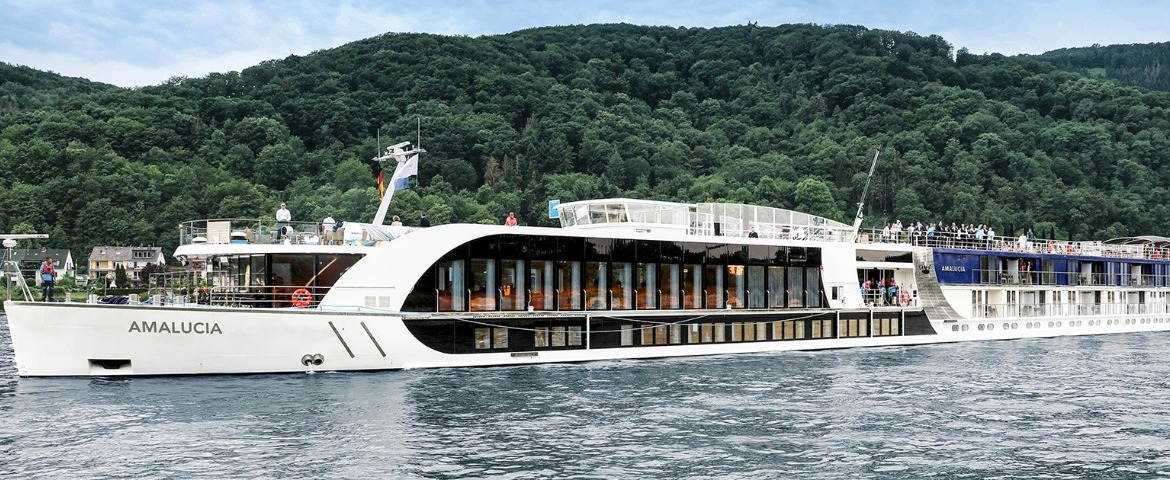
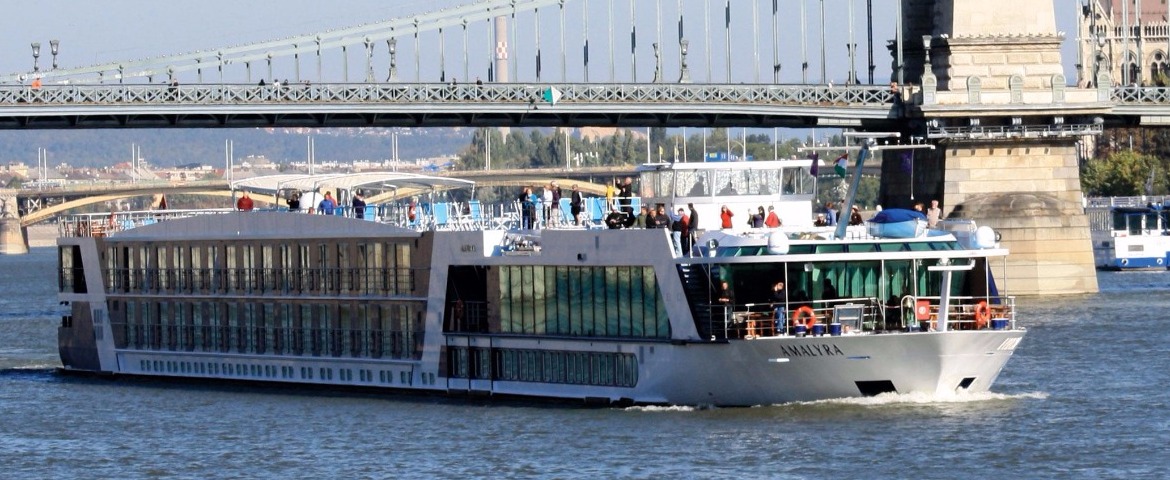
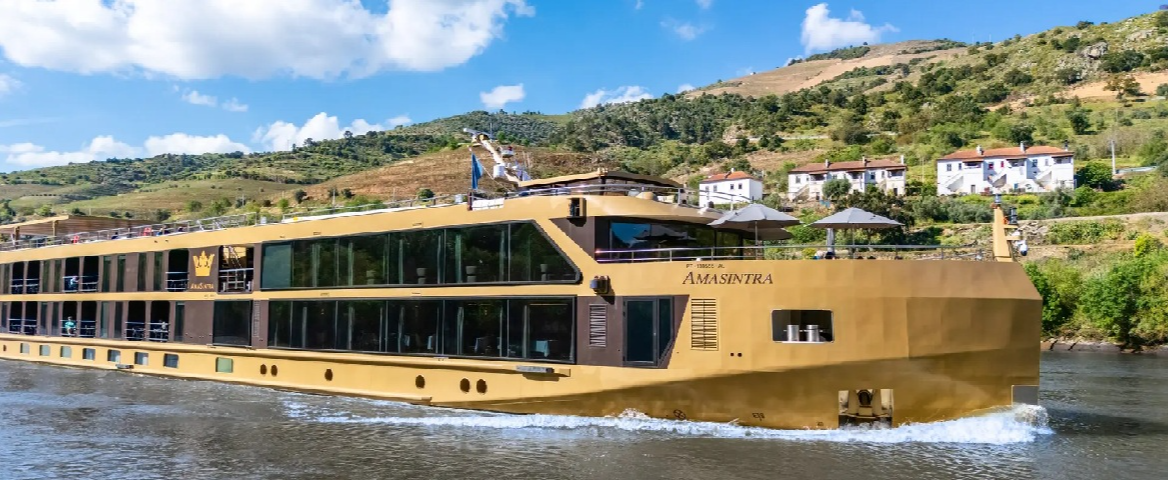
The passage contract says it plainly: AmaWaterways, LLC, the American entity you deal with, acts solely as a sales and marketing agent, and owns nor operates any vessel. That does not mean the group has no ships. In continental Europe the ships fly the Swiss flag and are operated by a sister company in Basel: there the brand really does run its own ships, unlike Riviera Travel or Tauck. Outside Europe the carrier named in the contract is a third party — a Portuguese owner on the Douro, a partnership with an Egyptian operator on the Nile, a Vietnamese operator on the Mekong, a local company in Colombia, a Namibian owner on the Chobe.
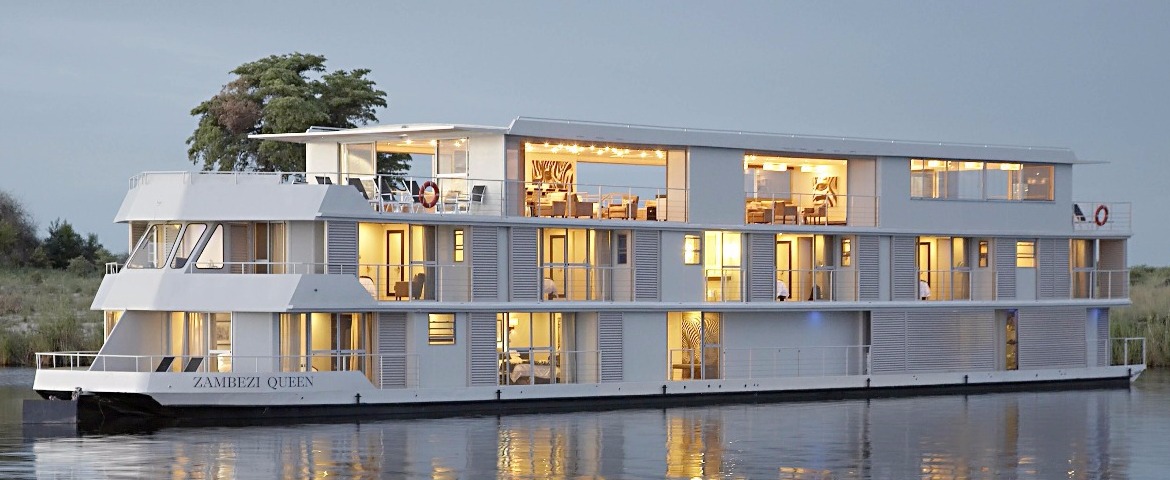
Zambezi Queen is not an AmaWaterways ship
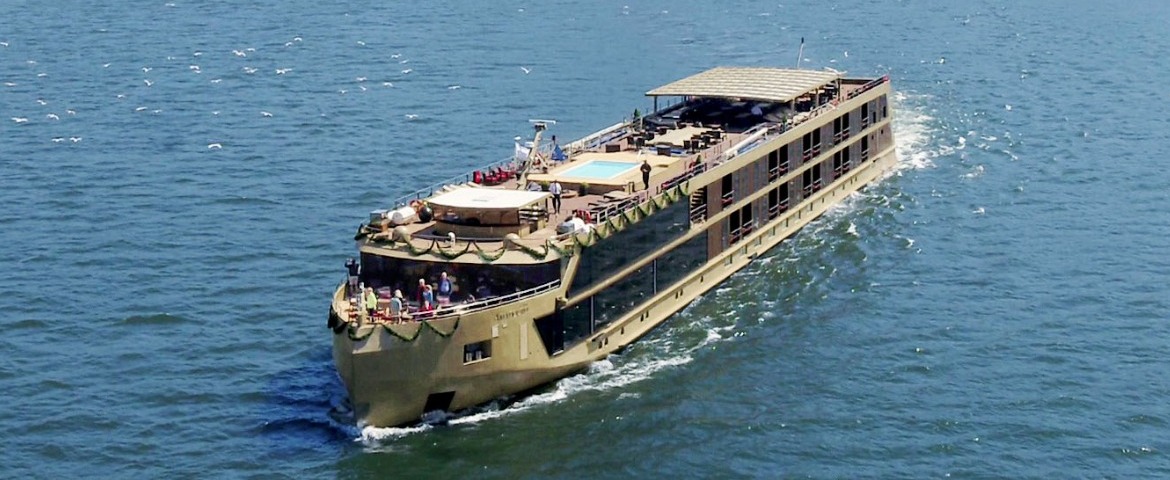
She is the most-scheduled ship on our calendar, and she belongs to the Mantis group. She sails the Chobe, not the Zambezi despite her name, on the Botswana-Namibia border, and her owner also sells her directly under its own sign. One more thing to know before booking: this is not a cruise in the usual sense. The boat stays on a stretch of some twenty kilometres of the same river, with no calls and no ports, carrying 28 passengers. It is a river safari. You go out in a small craft to see the wildlife and come back to the same mooring.
AmaMagna, and the twin-balcony cabins
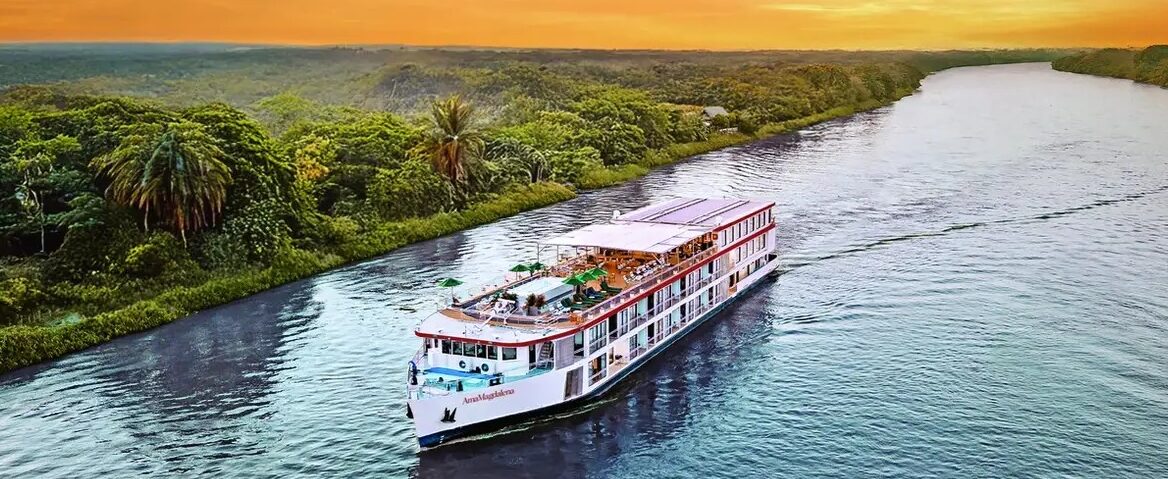
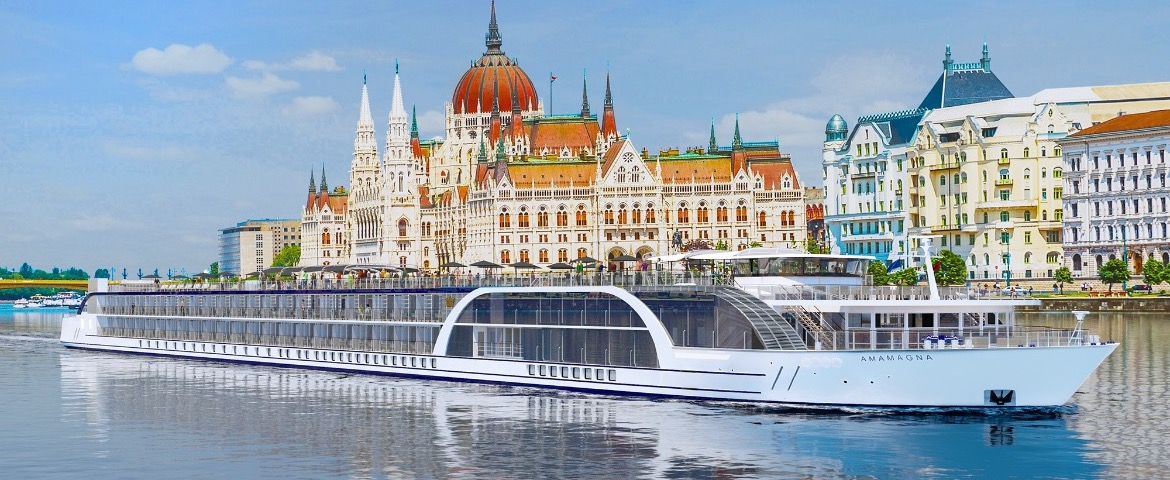
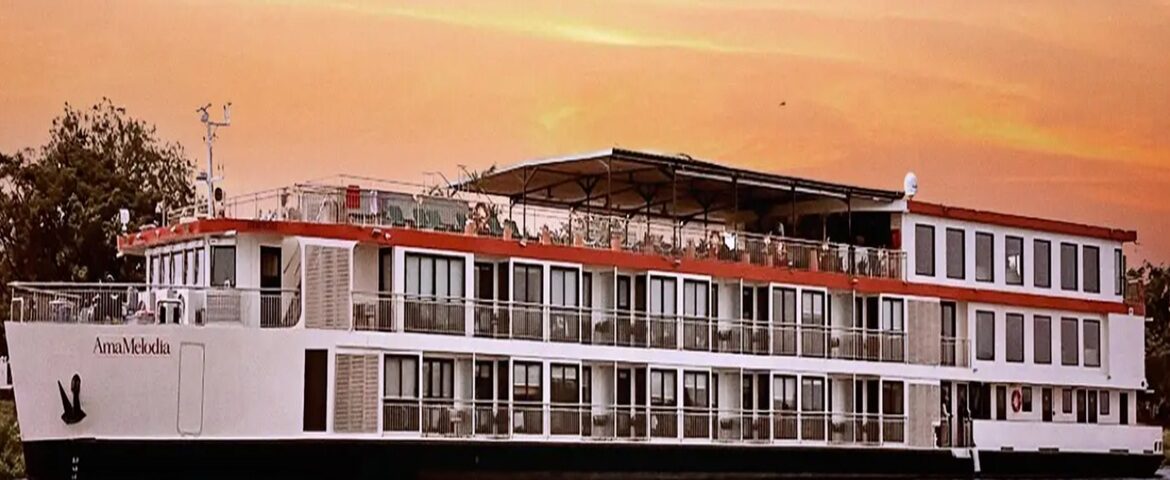
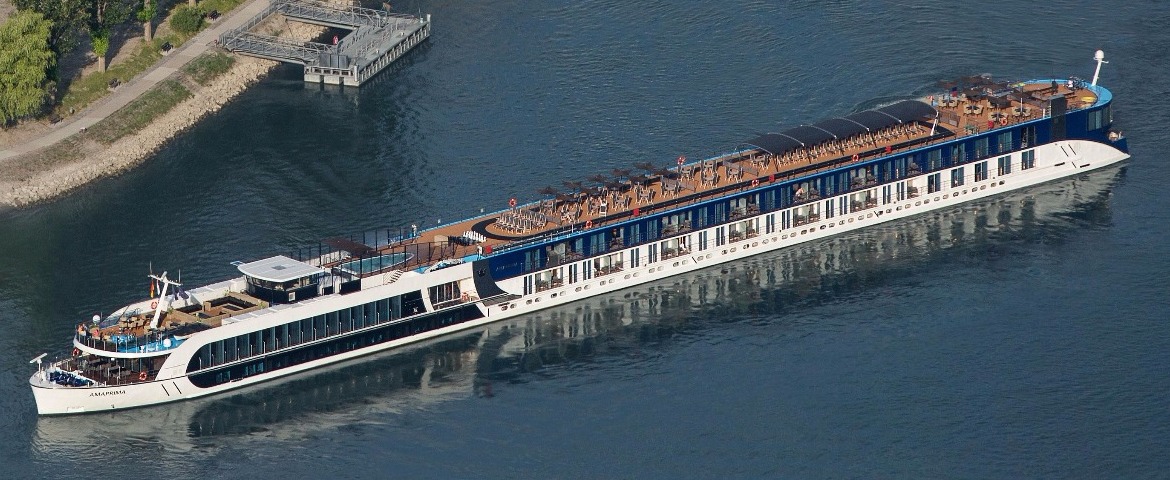
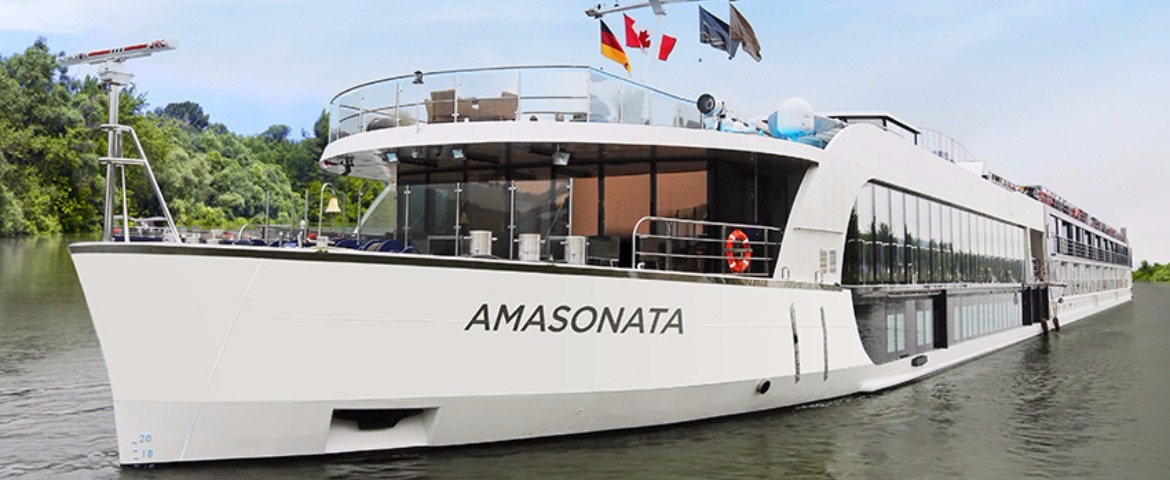
AmaMagna is twenty-two metres wide, twice an ordinary river ship, which confines her to the Danube: it is the only river whose locks take her. In service since 2019, she carries fewer passengers per square metre than the rest of the fleet, and her elevator serves one deck more. For the rest of the fleet, the AmaWaterways signature is the twin-balcony cabin — a French balcony and a step-out balcony in the same room. The lowest grades have the French balcony only: "every cabin has two balconies" is a sentence not to say.
Limited mobility: the line answers for itself
It writes that its ships are not equipped for passengers with limited mobility, and that the motorcoaches, boats and minibuses used for transfers and excursions are not either. On ordinary ships the elevator reaches neither the sun deck nor the top deck. The minimum age is four in Europe but twelve in Africa, Egypt and Southeast Asia: an eight-year-old can do the Danube but not the Nile.
Low water: what the contract promises, and what it does not
It provides for a change of berth, modified excursions, coach transfers and a change of ship. It provides neither a credit nor an automatic refund. A full refund is owed only if the line cancels the departure before boarding; once under way, a pro-rata refund is at its discretion. That is the strongest argument there is for cancellation and interruption cover, and it is better heard in September than in August on a quay.