Rigolet NL Newfoundland-Labrador Canada

15 Cruises availables At departure or passage at this port

Rigolet, Labrador | Cruise Port Guide

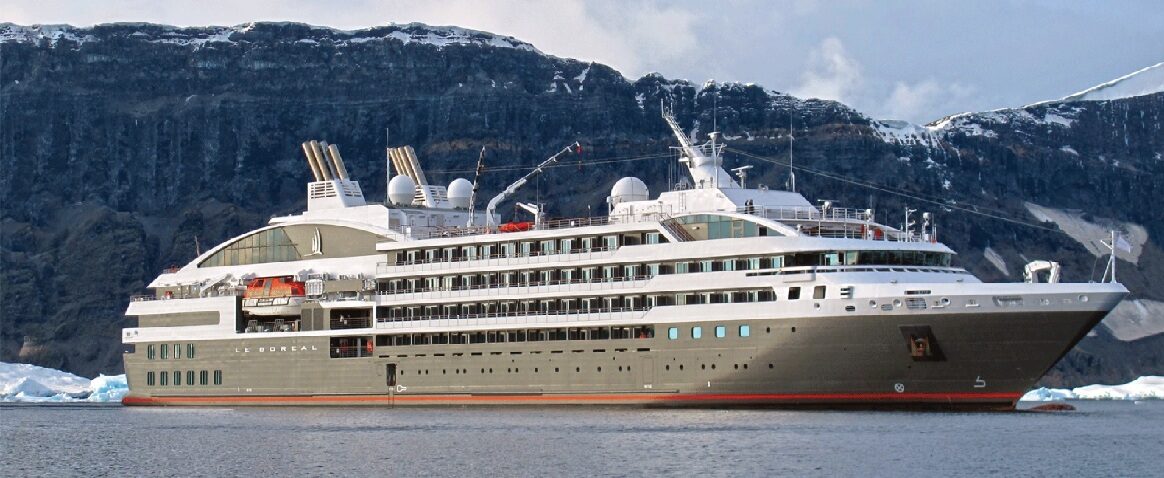
When a ship appears at the harbour entrance, it's an event: Rigolet welcomes only one or two a year. On the dock of this community of about 310 residents, set at the entrance to Lake Melville on the coast of Labrador, a good part of the village awaits the visitors, and the craft shop opens its doors especially for the occasion. Welcome to the southernmost official Inuit community in the world, within Nunatsiavut, the self-governing territory of the Labrador Inuit. Here, the port call is like no other: it rests entirely on human encounters.

A wooden boardwalk toward the horizon

The structure Rigolet is proudest of can't be found in any other northern community: the Seashore Boardwalk, an 8.4-kilometre wooden walkway built plank by plank by the people of the village, the longest boardwalk of its kind in North America. Nowhere else in the North can you walk for hours just above the water without getting your boots wet. It hugs the coast, crosses coves and headlands, and climbs to the Burnt Wood Point lookout, where a shelter and panels tell the story of the land. Along the way, you watch for the spouts of minke whales, the round heads of seals bobbing in the water, terns diving onto schools of fish. Walk for one hour or three: the boardwalk lets everyone choose their own horizon.

Double Mer Point, memory in the sod

At the end of the boardwalk, archaeologists and young people from the village have uncovered three semi-subterranean sod houses inhabited by Inuit families in the 18th century. The Double Mer Point excavations link today's residents directly to their ancestors, and it's not unusual for a local guide to describe the site while weaving in their own family memories. Few places offer such direct contact between an ancient past and a very much living community.

Sea grass turned into art

Rigolet's great specialty comes down to blades of grass: sea grass basketry sewn in tight spirals, a skill passed down from mother to daughter for generations. Baskets, jewellery and ornaments come from the hands of artisans, some of whom work in front of visitors on ship days. The shop on the dock sells their creations, among the most sought after in Labrador crafts; patterns vary from one family to another, and each piece bears the name of the woman who made it. Nearby, the Net Loft, an 1876 fishing storehouse and one of the oldest wooden buildings in the region, still bears the hand-painted names of families on its beams, and an interpretation centre recalls the days of the trading post and the Hudson's Bay Company.

Making the most of this port call

  • Landing by tender; the entire village can be explored on foot.
  • The boardwalk is flat and well maintained: walk whatever stretch suits your pace.
  • Dress in layers: the weather changes quickly on the Labrador coast.
  • Bring cash for crafts; purchases directly support local families.

What you bring back from Rigolet weighs almost nothing: a woven grass basket, conversations, the memory of a shared cup of tea and of a boardwalk stretching toward the horizon. Yet it's one of the port calls passengers talk about the longest. Big cities offer their monuments; Rigolet offers its world, and it fits entirely into a handshake on a dock.

Frequently Asked Questions

By tender, at the village wharf. Rigolet sees only one or two ships a year: much of the community often waits on the wharf, and the craft shop opens specially for the visit.
Yes, the entire village is walkable. The community is home to about 310 people, at the entrance to Lake Melville on the Labrador coast.
An 8.4-kilometre wooden walkway, the longest of its kind in North America, built plank by plank by the people of the village. It follows the coast, crosses coves and headlands and climbs to the Burnt Wood Point lookout.
No. It is flat and well maintained: walk whatever portion suits your pace, an hour or three. Along the way, watch for the blow of minke whales, the round heads of seals and terns diving on schools of fish.
Three semi-subterranean sod houses lived in by Inuit families in the 18th century, uncovered by archaeologists and village youth at the far end of the boardwalk. A local guide often tells the site's story alongside their own family memories.
Grass basketry, sewn in tight coils: baskets, jewellery and ornaments, among the most sought-after craft work in Labrador. Patterns differ from family to family, and every piece carries the name of the woman who made it.
Yes, bring cash for the craft work. Purchases directly support village families, and card payment is not guaranteed.
An 1876 fishing store, one of the oldest wooden buildings in the region, whose beams still carry hand-painted family names. A nearby interpretation centre covers the era of the trading post and the Hudson's Bay Company.
The Canadian dollar; English is the language of daily life, in the southernmost official Inuit community in the world, within Nunatsiavut.
Layers. Weather changes quickly on the Labrador coast, and the boardwalk is exposed to wind along its whole length.