Maio Island Porto Ingles, Cape Verde
Cape Verde
16
Cruises availables
At departure or passage at this port
Ponant (16 Cruises)
Le Ponant
16 Cruises
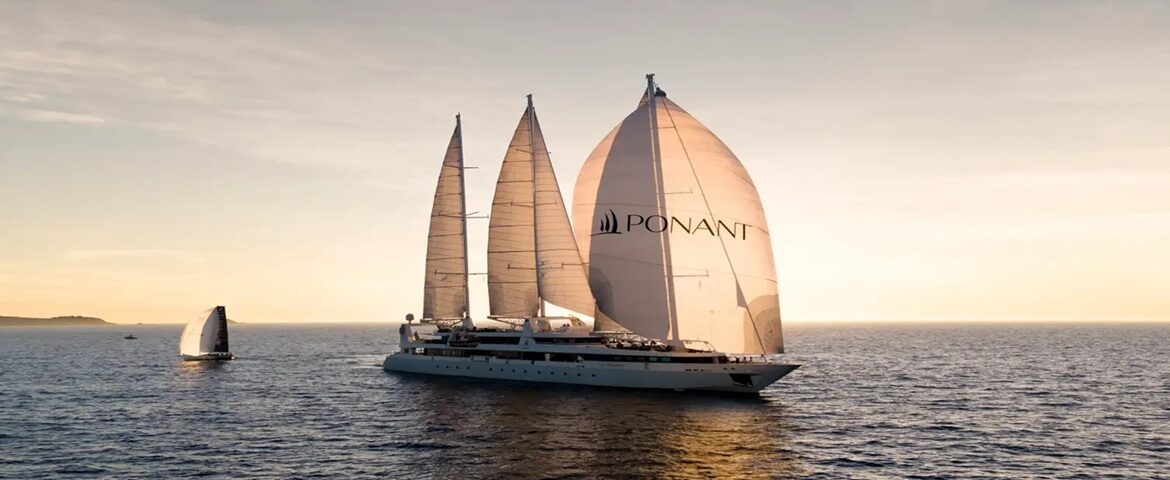

| 26 October | 8 days | Round-trip from Mindelo, Cape Verde |
450-628-6241
Call us
|
| 27 October | 6 days | Round-trip 7 Night The Many Faces of Cape Verde Cruise |
450-628-6241
Call us
|

Maio Island, Cape Verde | Cruise Port Guide
Frequently Asked Questions
At Vila do Maio, known locally as Porto Inglês, on the island's southwest coast. Depending on ship size and sea conditions, passengers land at the jetty or come ashore by tender. There is no cruise terminal: the gangway opens straight onto the village.
Yes, everything is walkable. The village begins at the landing, clustered around its church and main square, and can be covered comfortably in an hour. A few drivers wait near the pier for anyone wanting to head inland.
The Porto Inglês saltpans, the São José fort, the Matriz church and a beach. Allow an hour for the town's heritage, an hour for the salt basins, and keep the rest to sit at a terrace. That is what this call does best.
Its saltpans, the largest in the archipelago. Salt, nicknamed white gold, supported the island for centuries and its shallow basins still draw migrating shorebirds. Maio is also the one large Cape Verdean island that has stayed clear of resort development.
Rarely. Bring cash: village shops seldom accept cards. The currency is the Cape Verdean escudo, pegged to the euro, and euro banknotes are often accepted with change given in escudos.
Portuguese is the official language and Cape Verdean Creole the everyday one. French and English are little used outside tourism; a few words of Portuguese go a long way here.
Yes. Long pale-sand beaches stretch on either side of the village and the water is turquoise, often empty on weekdays. There are no lifeguards: watch for currents and avoid swimming alone.
Yes, in a very quiet register. Empty beaches, a walkable village and the salt basins appeal to children. There are no organized activities and no convenience stores, so bring water, hats and snacks from the ship.
November through June, when the trade winds temper the heat and skies stay clear. August and September are hotter and more humid. Shade around the saltpans is scarce year-round.
A slow, unapologetic tempo. Shops open when they open and transport is limited: there is no taxi rank waiting, everything is arranged on the spot. Leave yourself a generous margin for getting back on board.


