Covenas Colombia
1
Cruises availables
At departure or passage at this port

Port of Coveñas, Colombia | Cruise Port Guide
Frequently Asked Questions
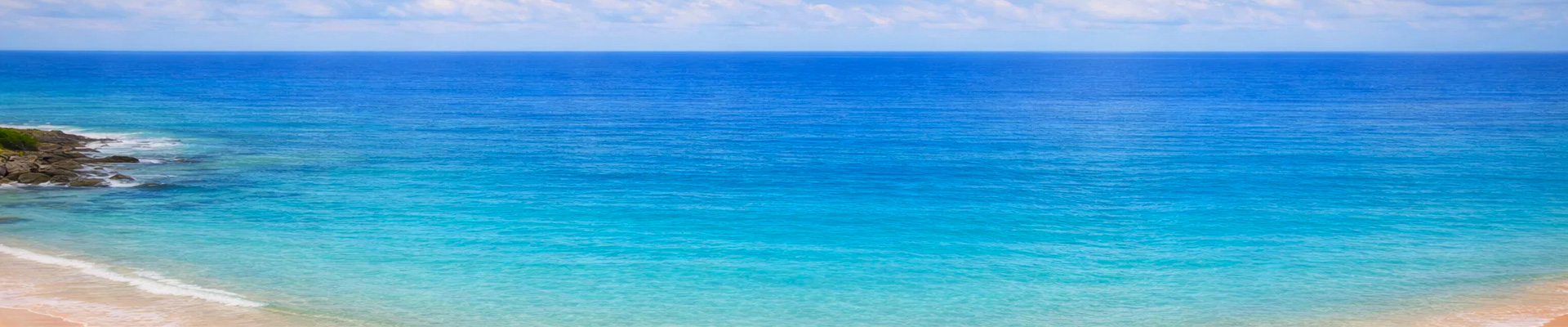
On the Gulf of Morrosquillo, a broad arc of calm water sheltered from the open swell on Colombia's Caribbean coast. The call remains rare: disembarkation arrangements are announced on board depending on the ship.
Like a Colombian beach day, not a packaged port call. This is a family resort where Colombians from the interior come on holiday, well off the international circuit: you get seaside life rather than luxury.
Yes. The beaches slope gently into warm, generally waveless water, which suits families and occasional swimmers very well. The enclosed gulf behaves more like a lagoon than the open sea.
Under the palms, thatched stands serve fried fish, coconut rice and patacones, the flattened golden plantains. Roving vendors offer fruit, fresh-pressed juices and woven hats.
A handful of coral islands within the Corales del Rosario y San Bernardo natural park, about 45 to 60 minutes away by boat. Isla Múcura offers pale beaches and good snorkelling water; larger Tintipán hides mangrove channels to explore by kayak.
One of the most densely populated islands on earth: several hundred people live on barely more than a hectare, an entire village set on the water where the lanes are an arm's width across. It features on trips to the San Bernardo archipelago.
Follow the coast to Tolú, about 20 km away, with its decorated bicycle taxis, shaded malecón and jetties busy from early morning. Further north, the village of Rincón del Mar keeps an end-of-the-world feel.
Very much so. Calm inland sea, gently sloping beaches and crossings within most travellers' reach make it an easy call with children. At weekends the mood turns loud, cheerful and thoroughly local.
The Colombian peso, in cash: beach stands and boatmen generally do not take cards. Spanish is spoken, and English is scarce outside organised tours.
December to April, the dry season, under near-constant sunshine. Bring sun protection and seek shade: the gulf breeze easily disguises how strong the sun is.


