Port of Krk, Croatia | Cruise Port Guide

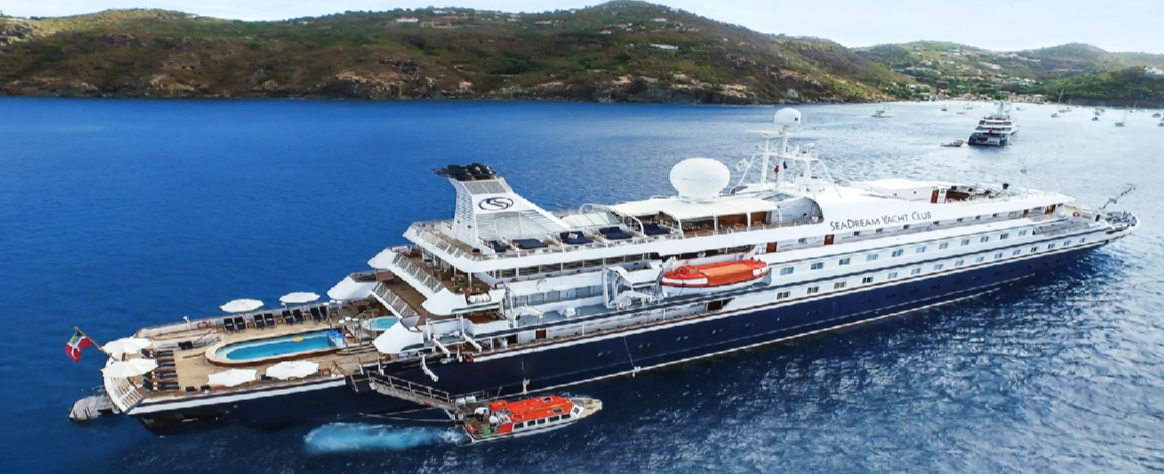
The Romans called it "the golden island," and a bridge has linked it to the mainland since 1980, making it one of the most accessible islands in the Adriatic. Krk, in the Kvarner Gulf, shares with its neighbour Cres the title of Croatia's largest island. Its namesake capital, Krk Town, welcomes visiting ships: small ships moor at the riva, while others anchor in the bay and tender their passengers ashore, at the foot of an old town continuously inhabited for more than two thousand years.

From Roman Municipium to the City of the Frankopans

Krk Town layers the eras like few towns its size: remains of Roman baths beneath the foundations, almost complete medieval ramparts, and on the waterfront the castle of the Frankopans, a powerful island feudal family, whose square tower bears an inscription dated 1191. You climb the rampart walkways for the view over the bay, then lose yourself in alleys where konoba signs stand alongside Romanesque doorways. The Vela Placa, the main square, keeps its Venetian cistern and its clock; the patios compete for shade.

The Double Cathedral

Near the shore, the Cathedral of the Assumption, built in the 12th century on Roman baths and an early Christian basilica, forms a rare ensemble: two churches joined together, the cathedral itself and the Basilica of St. Quirinus, set on two levels. Reused ancient columns, capitals decorated with pecking birds, a treasury of silverwork: the visit condenses fifteen centuries of island Christianity. The island also takes pride in the famous Baška Tablet of 1100, found in the nearby village of Baška, the written birth certificate of the Croatian language.

Town Beaches and Pine-Shaded Coves

From the riva, a seaside promenade leads in fifteen minutes to the pebble coves of Dražica and Ježevac, fringed with Aleppo pines. The water, remarkably clear even in high season, is ideal for snorkelling along the rocks. Walkways make it easy to get into the water, showers equip the main coves, and families appreciate the gentle slope of the developed beaches; walkers continue on to the quieter coves of the Prniba peninsula, away from the summer bustle.

Vrbnik and the Hanging Vineyard

Half-day excursions often head to Vrbnik, a medieval town perched on a 50-metre cliff above the sea, famous for its Klančić lane — among the narrowest in the world — and for its vineyard of žlahtina, a white grape variety that grows only in the neighbouring valley. A tasting at a family winery — often accompanied by island cheese and bora-dried ham — a view over the Velebit Channel and a return through the inland villages: the outing is the ideal complement to a stroll through town.

Port Call Pointers

ItemDetails
DockingKrk Town riva or anchorage in the bay with tender
Old townImmediately accessible, pedestrian, flat along the shore
VrbnikAbout 25 minutes by road
Currency and languageEuro; Croatian, English and German widely spoken

The Golden Island Keeps Its Promise

Krk brings together in one port call the very best of the Kvarner: Roman stones underfoot, a castle by the water, a wine you can't drink anywhere else and coves ten minutes from the cathedral. No showing off and no frozen backdrop — a town that lives year-round and welcomes passengers like passing neighbours. The kind of place whose name you jot down for a whole future summer.

Frequently Asked Questions

Small ships tie up at the riva in Krk Town, right below the old town. Larger ships anchor in the bay and tender passengers to the same place. Either way, the centre starts where the quay ends.
Yes, and it is flat along the shore. The cathedral, the Frankopan castle and the Vela Placa are minutes away; the Dražica and Ježevac coves are a quarter-hour along the shore promenade. Vrbnik requires the road.
The old town and the double cathedral, then a swim in a nearby cove. With a longer call, add Vrbnik, about 25 minutes by road, for its clifftop village and žlahtina wine.
A rare arrangement: two churches joined and stacked on two levels, the 12th-century Cathedral of the Assumption and the Basilica of St Quirinus. The whole sits on Roman baths and an early Christian basilica, with reused ancient columns and capitals carved with birds.
It is a Roman legacy: they named it for its light and fertility. Today a bridge has linked it to the mainland since 1980, making it one of the most accessible islands in the Adriatic.
Yes, a quarter-hour on foot: the pebble coves of Dražica and Ježevac, fringed with Aleppo pines. Walkways ease entry, showers serve the main coves and the slope is gentle. They are pebble, not sand.
A white grape grown only in the Vrbnik valley on the island. It is tasted in family cellars in the village, about 25 minutes by road, usually with island cheese and ham cured in the bora wind.
The euro and Croatian. English and German are widely spoken, the island having long drawn central European visitors. Cards are accepted in town.
June to September for swimming, May and October for the town without crowds. The water stays remarkably clear even in high season. In winter the bora can blow hard across the Kvarner.
Yes, it is one of the easier calls in the region. The waterfront is flat, the coves have walkways and showers, and the gentle beach slope is reassuring with young children. Bring water shoes for the pebbles.