Primosten Croatia
5
Cruises availables
At departure or passage at this port
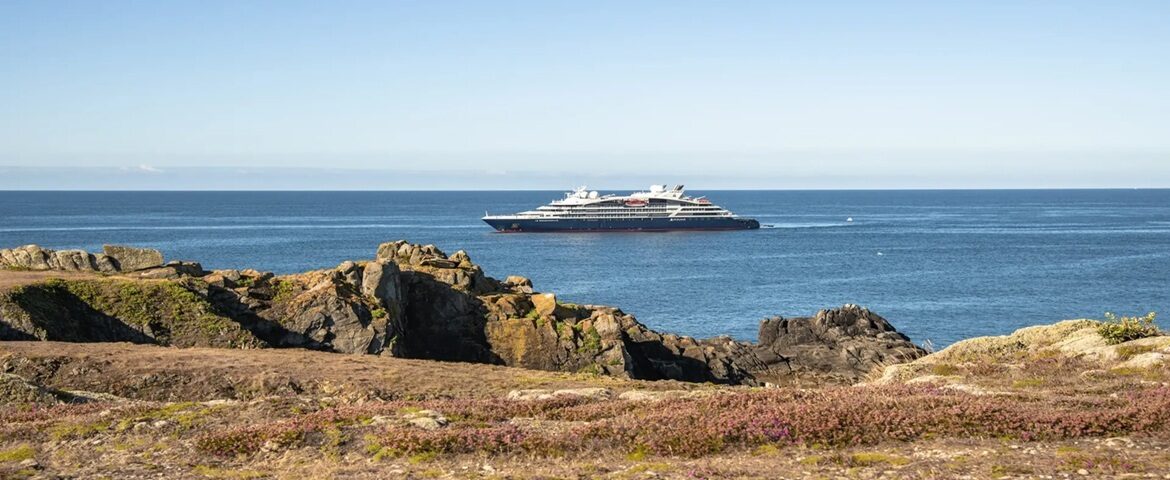
Ponant (1 Cruises)

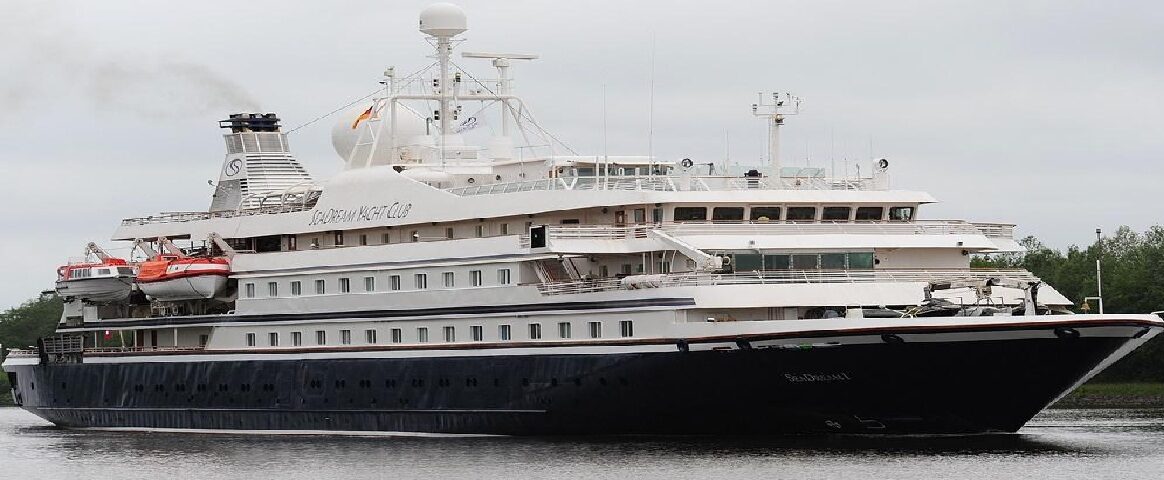
SeaDream Yacht Club (4 Cruises)

Port of Primošten, Croatia | Cruise Port Guide
Frequently Asked Questions
Off the peninsula, with tender landing at the foot of the lanes. Primošten mainly receives small ships, between Šibenik and Trogir.
Because it once occupied an islet. In the 16th century its people linked it to the coast with a bridge, later replaced by a causeway. The name comes from the Croatian verb primostiti, to join by a bridge.
The old core takes an hour to walk, the climb to St George's church about fifteen minutes and the shoreline loop around the peninsula roughly thirty. The rest of the time goes to Raduča beach or the Bucavac vineyards.
One of the most striking agricultural landscapes in the Mediterranean: thousands of tiny plots bounded by hand-built dry stone walls that wrestled planting soil out of bare rock. Seen from above, it looks like stone lace thrown over the hillside.
Primošten's signature red grape, ripened in hard conditions on the stony Bucavac slopes. It gives a structured red that konobas serve with sheep's cheese, olives and ham cured in the bura wind.
Yes, the twin Raduča beaches on the far side of the causeway, minutes from the landing. The larger one draws families, the smaller is quieter. They are pebble under pine, not sand.
The nearby islets, yachts at anchor and, on a clear day, the grey hills of the hinterland. The church, remodelled in the 18th century, crowns the peninsula alongside a sea cemetery whose graves face the Adriatic.
The euro and Croatian. English is widespread in season in restaurants and at wineries that receive visitors. Bring cash for small establishments.
June to September for swimming, May and October for the vineyards and walking. Photographers should aim for late afternoon, when the low light picks the bell tower out against the open sea.
Moderately. The lanes spiral up to the top of the peninsula and the paving is uneven. The shoreline path around the village is easier and reveals a string of small coves.


