Galapagos Islands Ecuador Galapagos Province
Ecuador
2
Cruises availables
At departure or passage at this port
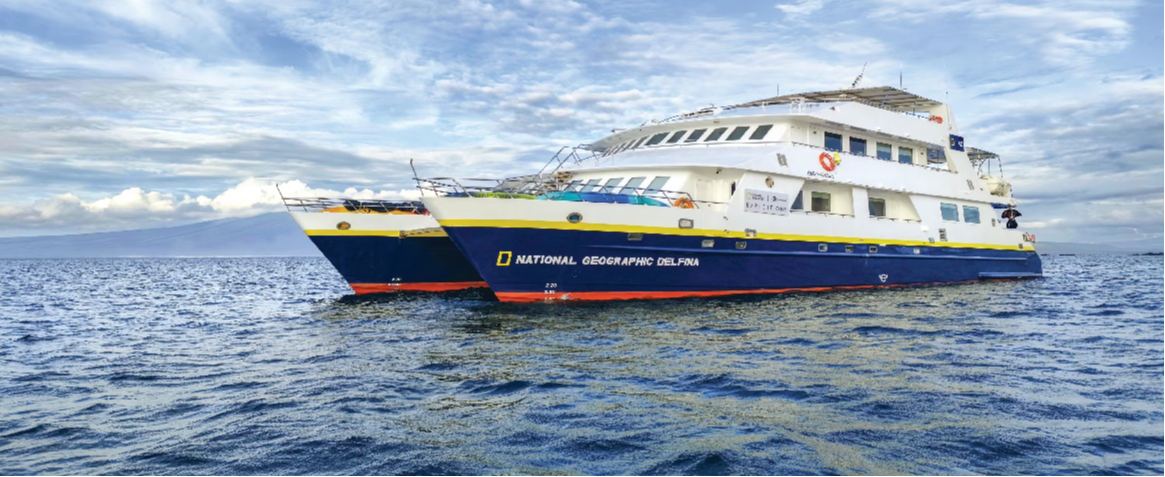


Galápagos Islands | Cruise Port Guide
Frequently Asked Questions
About a thousand kilometres off the coast of Ecuador, in the open Pacific, straddling the equator. The volcanic archipelago belongs to Ecuador and forms its Galápagos province.
On small authorised ships only. There is no terminal and no large pier: every landing is by zodiac, at specific sites within the national park created in 1959. The archipelago was the very first site inscribed on UNESCO's World Heritage list, in 1978.
Marked trails, certified naturalist guides at all times, a minimum distance from animals, and no natural object taken away. There are also park entry formalities and a baggage inspection against invasive species. That discipline is part of the experience and is what protects it.
Most often at Baltra Island, whose airport receives flights from the mainland, or at San Cristóbal, in the small port town of Puerto Baquerizo Moreno. Puerto Ayora, on Santa Cruz Island, is the archipelago's main town.
Depending on the park-assigned itinerary: marine iguanas, the only lizards in the world that graze underwater, blue-footed boobies and frigatebirds with scarlet pouches, the flightless cormorant that gave up flying, the only penguin living on the equator, playful sea lions, and the waved albatrosses of Española for part of the year.
Because they have never been hunted. The sea lion stays sprawled on the dock bench, the blue-footed booby carries on its display two metres from walkers, the marine iguana ignores you with real dedication. It is the trait that most disorients newcomers.
Yes, and it changes the trip entirely. Below the surface: green turtles, schools of tropical fish and playful young sea lions. The wetsuits lent on board extend the outings considerably, since the water is cooler than you would expect on the equator.
Neither season is bad; they simply describe two different archipelagos. December to May: warmer water, brighter skies, greening vegetation. June to November: the Humboldt Current cools the sea, the morning mist known as garúa clings to the highlands and marine life surges, to the delight of snorkellers.
The Charles Darwin Research Station and its giant tortoise breeding centre, then the island's highlands where those same tortoises, wild this time, graze in damp meadows among lava tunnels.
The US dollar, Ecuador's official currency: no exchange needed if you arrive with US dollars. The language is Spanish, but naturalist guides work fluently in English and, on several ships, in French.


