Calais France

On a clear day, the White Cliffs of Dover are visible on the horizon: barely 34 kilometres separate Calais from England, and that closeness has shaped the city's entire history. Cruise ships have a dedicated berth, set apart from the constant traffic of ferries; downtown is reached in about twenty minutes on foot or by shuttle. This stop reveals a city more surprising than its reputation as a simple crossing point would suggest.

The Belfry and Rodin's Burghers

The city hall is impossible to miss: an extravagant brick-and-stone palace in the neo-Flemish style, completed in 1925, its 75-metre belfry listed as a UNESCO World Heritage Site. In front of the square stands one of the most famous bronzes in the world, Auguste Rodin's The Burghers of Calais. The sculptor captures six notables from 1347, walking toward the King of England with ropes around their necks to save their besieged city — a moment of local history turned universal monument. The belfry's elevator leads up to a panoramic view over the busiest strait in the world.

Lace, the City's Golden Thread

In the 19th century, English mechanics smuggled their tulle looms into Calais; the city became the world capital of machine-made lace, the kind used by the great fashion houses. The Cité de la Dentelle et de la Mode, housed in a former factory beside the canal, brings this history back to life: nine-tonne Leavers looms operating right before your eyes, dresses by Chanel, Givenchy, and Iris van Herpen, and workshops explaining point d'esprit and the mantilla. A surprising visit, about a fifteen-minute walk from city hall.

A Dragon on the Waterfront

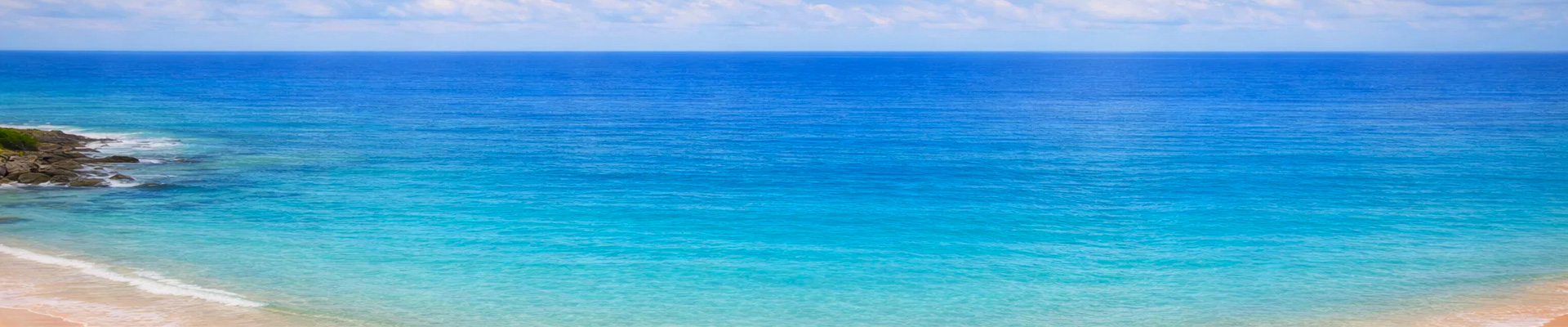
Since 2019, a creature of steel and wood has been roaming the seawall: the Dragon of Calais, a 25-metre-long mechanical spectacle that breathes steam and flames while carrying around fifty passengers on its back. Children and adults alike stare in wonder at its articulated wings and blinking eyes. The waterfront that serves as its playground has been completely redeveloped: a wide promenade, striped beach huts, colourful cabins, and an unbroken view of the ships gliding through the strait. At low tide, the fine sandy beach seems to stretch on forever.

Flavours and Shopping

The pedestrian streets around Boulevard La Fayette are full of bakeries and brasseries where you can order a hearty Welsh rarebit, a Flemish carbonnade, or mussels and fries facing the harbour. Cheese lovers can bring home a maroilles or a local tomme; those with a sweet tooth, waffles filled with vergeoise sugar. The market at Place d'Armes, held Wednesday and Saturday mornings, gathers fishmongers and local producers beneath the Tour du Guet, one of the few remaining medieval landmarks.

Toward the Two Capes

  • The Grand Site des Deux-Caps — Cap Blanc-Nez and Cap Gris-Nez — unfolds its chalk cliffs and views of England about twenty kilometres away; allow half a day for an excursion.
  • The Mémoire 39-45 Museum, housed in a former bunker in Parc Saint-Pierre, rounds out the region's historical narrative.
  • Wissant and its large kitesurfing beaches appeal to lovers of wind and sea spray.

Calais reveals itself like a richly varied family album: medieval sieges, fine lace, wartime bunkers, and a fantastical dragon. Heading back to the gangway, one last look falls on the belfry glowing in the sunset, with the sense of having found, where least expected, a stop full of character.

Frequently Asked Questions

At a dedicated cruise berth, away from the ferry traffic. The town centre is about twenty minutes on foot or a short shuttle ride.
Barely thirty-four kilometres. On a clear day the white cliffs of Dover show on the horizon, and that proximity has shaped the town's entire history.
An extravagant brick and stone palace in neo-Flemish style, completed in 1925, whose 75-metre belfry is a UNESCO World Heritage site. Its lift leads to a view over the busiest strait on the planet.
One of the most famous bronzes in the world, sculpted by Auguste Rodin and standing in front of the town hall. It shows six citizens of 1347 walking towards the King of England with ropes around their necks, to save their besieged town.
Because in the nineteenth century English mechanics smuggled their tulle machines into the town. Calais became the world capital of machine-made lace, the lace of the great fashion houses.
Nine-tonne Leavers looms run in front of you, gowns by Chanel, Givenchy and Iris van Herpen, and workshops explaining point d'esprit and the mantilla. The museum occupies a former factory beside the canal, about fifteen minutes' walk from the town hall.
A 25-metre steel and wood performance machine that has walked the seafront since 2019, breathing steam and flame with some fifty passengers on its back. Its articulated wings and blinking eyes leave children and adults alike open-mouthed.
Yes, a fine sand beach that seems to stretch forever at low tide, backed by a completely rebuilt seafront: a wide promenade, striped beach chalets, coloured huts and an uninterrupted view of the shipping in the strait.
A generous welsh, a Flemish carbonnade or moules-frites facing the harbour, in the pedestrian streets around Boulevard La Fayette. Take home a maroilles or a local tomme, or waffles filled with vergeoise. The Place d'Armes market runs Wednesday and Saturday mornings, below the watchtower.
Yes, the Two Capes site is about twenty kilometres away: chalk cliffs and views across to England. Allow half a day by excursion.