Vairao Tahiti Island French Polynesia
French Polynesia
Vairao, Tahiti | Cruise Port Guide
Frequently Asked Questions
On Tahiti Iti, the peninsula, an hour's drive and a world away from Papeete. Ships anchor in one of the island's largest lagoons, protected by a long barrier reef, then land passengers by tender at the village quay.
There are two Tahitis: the big one of Papeete and its boulevards, and the small one that stayed faithful to fishing villages and roadless valleys. Vairao belongs to the second. No apartment blocks, no loud signage, only gardens spilling hibiscus along the ring road.
From shore you mostly make out spray in the distance. To see the wave up close you have to go out with one of the local water taxis that approach the pass when the swell allows. Teahupoo is about ten kilometres to the south.
Yes. Even without a wave, the outing is worth it for the beauty of the lagoon and the mountains seen from the water. Just adjust your expectations: the legendary Teahupoo wave does not rise on demand.
The bush country, the shoreline that begins where the road stops dead beyond Teahupoo. A few families live there among coconut groves, waterfalls and deep bays, reachable only by boat. It is probably the strongest memory of the call: a Polynesia from before the roads, silent and intact.
A cavern opening at the head of a cove in the Fenua Aihere, lined with ferns and fed by cool fresh water. Lagoon excursions often go that far, about twenty minutes by small boat from the quay.
A boat trip toward Teahupoo and the Fenua Aihere fills most of the day, and it is the best use of the call. Those who prefer to stay ashore visit a vanilla plantation or a local pearl farm, then eat facing the lagoon.
The roulottes and small roadside snack stands serve raw fish in coconut milk, grilled tuna and juice pressed from garden fruit. You eat facing the lagoon, all but barefoot in the sand, to the rhythm of scooters passing and greeting everyone.
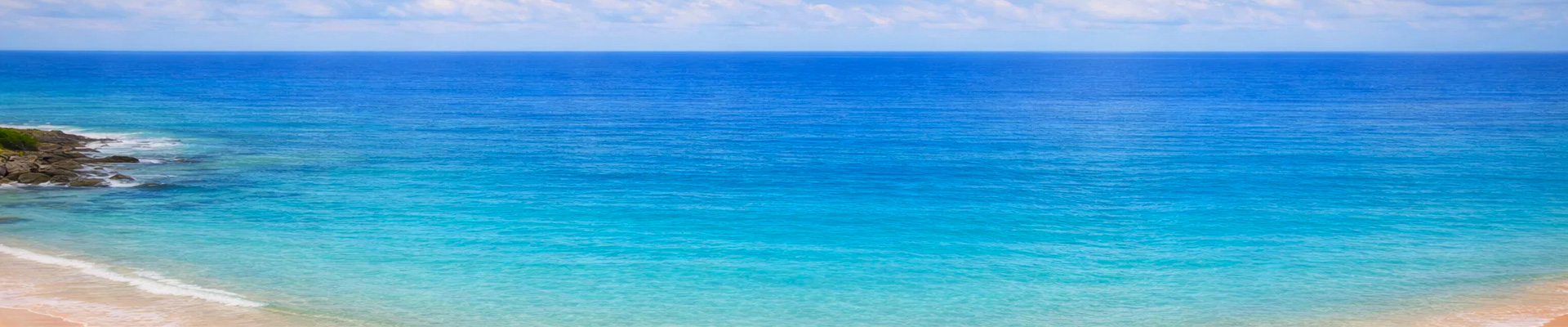
Fishing, vanilla and taro. The lagoon spreads like a turquoise sheet between mountain and reef, dotted with outrigger canoes and stilt huts. The mountains, often snagged with cloud, drop straight into the vegetation.
The Pacific franc, with cash for the roulottes and small producers. The call is still new on Polynesian itineraries: no terminal, no cruise shops, no crowds. Anyone wanting organised services will be disappointed; everyone else will see the real Tahiti.


