Tomonoura-Fukuyama Japan Hiroshima
4
Cruises availables
At departure or passage at this port
Ponant (4 Cruises)

Tomonoura (Fukuyama), Japan | Cruise Port Guide
Frequently Asked Questions
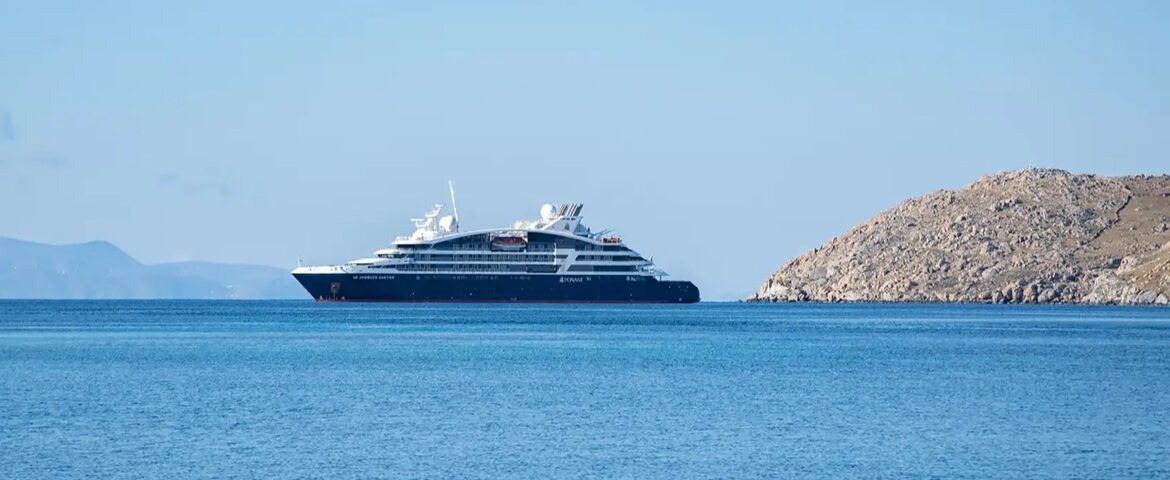
Tomonoura sits at the tip of a peninsula in the centre of the Seto Inland Sea, attached to the city of Fukuyama in Hiroshima Prefecture. The anchorage takes smaller cruise ships, which find here an almost intact woodblock-print Japan.
Because of the tides. For centuries, ships came here to wait for the sea to change its mind: it was at the turn of the tide that navigators set off east or west. The anchorage prospered from the seventh century thanks to that geography.
An eleven-metre stone lantern standing at the entrance to the old basin, guiding sailors for more than 160 years and still lit at dusk. It is the port's emblematic image.
They are stepped quays, cut long ago to load boats at any state of the tide, an arrangement that has become extremely rare in Japan. With the basin, the wooden houses and the white warehouses, the whole forms one of the best-preserved Edo-period port landscapes in the country, protected as a traditional district.
Everything is on foot and unhurried: the old basin and its stone lantern, the narrow lanes behind the waterfront, the Taichoro pavilion at Fukuzen-ji, then the climb to Ioji for the view. Add Fukuyama only if the call is long.
A hall whose picture window frames the islets of the Inland Sea like a painting. Korean envoys passing through praised it three centuries ago as the finest landscape in Japan, and the documents relating to those missions now appear in a UNESCO register.
Yes, Ioji, founded more than a thousand years ago, rewards the climb with a view down over the tiled roofs and the harbour. The maze of narrow lanes leading up passes merchant houses, workshops and a surprising density of temples.
Hayao Miyazaki stayed in Tomonoura, and the town is said to have inspired the setting of Ponyo on the Cliff. Wandering along the water, among hanging nets and cats asleep on low walls, you understand what drew the filmmaker. Local shops sell sweets and souvenirs bearing the little goldfish.
Yes, Fukuyama is about 14 kilometres away, roughly thirty minutes by bus. The modern city is arranged around its rebuilt castle, set right beside the station, with museums and gardens nearby.
Those seeking calm rather than spectacle. Tomonoura never chased modernity: it let the centuries pass the way it let the tides pass. That suspended time is what you take away, and it will not suit anyone looking for attractions.


