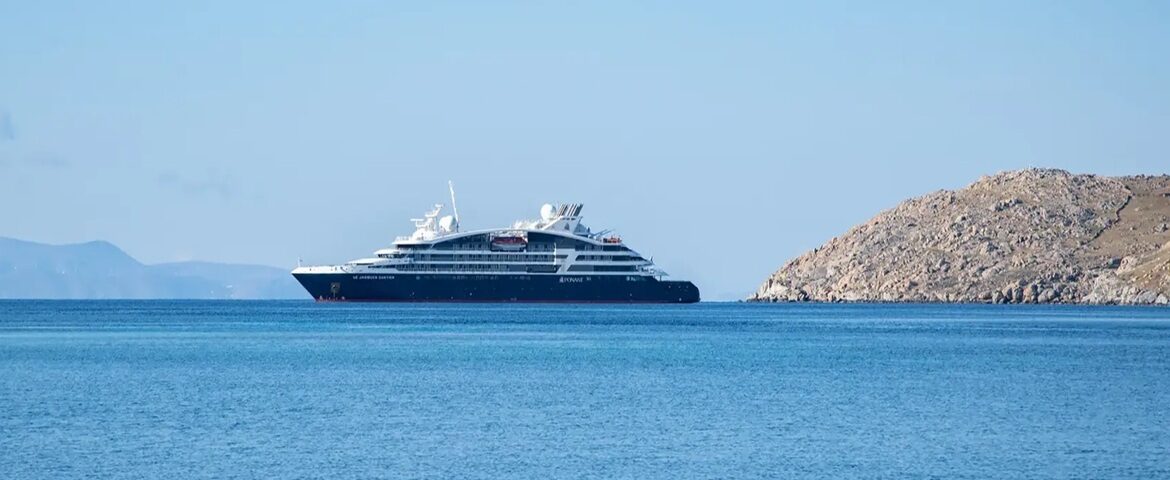
Yap Island Micronesia Colonia FSM
Micronesia

Port of Yap (Colonia) | Cruise Port Guide

Coins weighing several tonnes rest along the paths of Yap, leaning against trees or lined up in front of the community houses. These large stone discs pierced in the centre, called rai, crossed the sea from Palau aboard canoes generations ago, and they still hold their exchange value today. Welcome to one of the most intact cultures in the Pacific: the call at Colonia, capital of the State of Yap within the Federated States of Micronesia, is like no other.

A narrow pass, a quiet harbour

The arrival already gives the measure of the place: the channel cutting through the barrier reef is barely wider than the ship, and sea conditions sometimes force a captain to turn back. Those who make it through the pass discover Tomil Harbour and the small Colonia wharf, set beside green water ringed by wooded hills. The capital fits into a few streets hugging the bay: simple shops, a market, schools, and the quiet smiles of residents, cheeks often reddened by betel nut, a constant companion here.

First steps in Colonia

Within walking distance of the wharf, the Yap Living History Museum brings together traditional thatched-roof houses rebuilt using ancient techniques, without a single nail. Artisans sometimes work wood or fibres there, and dances are presented during ship calls. It is the ideal place to grasp the island's codes before going further: the organization into castes and villages, the role of the men's houses, the art of navigating by the stars that Yapese masters still pass on. The waterfront, with its outrigger canoes moored among the mangroves, pleasantly rounds out the stroll.

The stone banks of the villages

The island's treasure is discovered on a guided excursion, as the land belongs to families and custom governs every movement. Old stone-paved paths link the villages beneath a canopy of kapok and coconut trees, and along them you pass real "banks": rows of rai, some taller than a person, each with a story known to all, shipwrecks and feats included. A disc's value lies less in its size than in the tale of its voyage. The coins change owners at weddings or agreements without moving an inch: the whole village knows who owns them. In front of the steep-roofed community houses, guides recount these transactions with obvious pleasure. One piece of advice matters more here than elsewhere: ask permission before photographing people and places.

The kingdom of manta rays

Beneath the surface, Yap enjoys worldwide fame among divers: its reef channels serve as cleaning stations for manta rays, present year-round. Local dive centres organize outings suited to the length of a call, and snorkellers find their happiness on the nearby reefs, among hard corals and clouds of fish. Watching a manta several metres across glide over your head ranks among the great moments Micronesia has to offer.

Port of call at a glance

SiteDistance from the wharfAccess
Colonia and Living History MuseumLess than 1 kmOn foot
Villages and stone banksA few kilometresGuided excursion or taxi
Manta viewing sitesDepending on the outingDive centre boat

As the ship slips back through the pass, many passengers remain lost in thought. The island needs neither monuments nor large hotels: it has its stones laden with stories, its paved paths, its star navigators and its mantas. You leave with the rare feeling of having been welcomed into a culture that has conceded nothing to ease, and that quietly chooses what it shares.

Frequently Asked Questions

At the small quay in Colonia, in Tomil harbour. The channel through the barrier reef is barely wider than the ship, and sea conditions sometimes force a captain to cancel the call.
The rai: large stone discs pierced through the centre, some weighing several tonnes, brought from Palau by canoe generations ago. They still hold exchange value and rest along the paths, leaned against trees or lined up in front of the community houses.
Without moving an inch. The pieces change owner at marriages or agreements, and the whole village knows who owns what. A disc's value depends less on its size than on the story of its voyage, shipwrecks and feats included.
The Yap Living History Museum, within walking distance of the quay, then a guided excursion to the villages and their stone banks. Divers head out to see the manta rays in the reef channels.
A group of traditional thatched houses rebuilt using old techniques without a single nail, within walking distance of the quay. Craftspeople sometimes work wood or fibre there, and dances are performed when ships call.
No, a guided excursion is required: the land belongs to families and custom governs every movement. Guides lead you along old stone-paved paths beneath a canopy of kapok trees and coconut palms.
No: always ask permission before photographing people and places. The advice matters more here than almost anywhere, because Yap quietly chooses what it shares.
Yes, year-round. Yap's reef channels serve as cleaning stations for manta rays, which has given the island a global reputation among divers. Local dive centres run trips sized to fit a cruise call.
Yes, the nearby reefs suit mask and snorkel well, among hard corals and clouds of fish. The mantas, though, are mostly seen on scuba dives in the channels.
A few streets following the bay: simple shops, a market, schools, and outrigger canoes moored among the mangroves along the waterfront. It is a state capital with no monuments and no large hotels, and it makes no apology for it.