Pomene, Mozambique | Cruise Port Guide

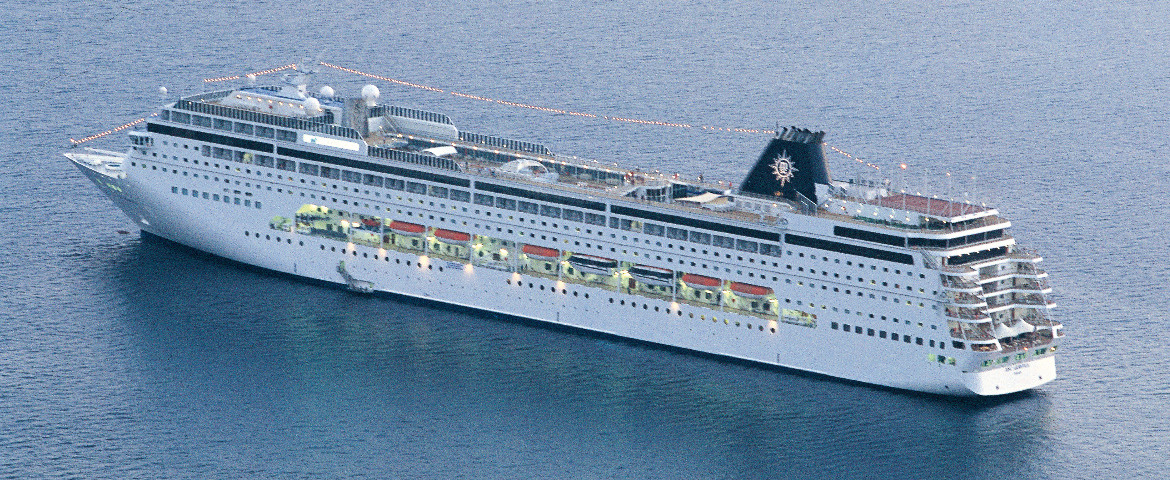
No terminal, no town, not even a village in sight: at Pomene, the ship drops anchor off a coast where the sand seems never to end. This point in Mozambique, some 600 kilometres north of Maputo and 170 kilometres south of Vilanculos, has found its way in recent years onto itineraries departing from South Africa. The day ahead resembles no urban port call: it is an interlude between the Indian Ocean and a lagoon, in a protected site where nature sets the rules.

A landing at the pace of the tenders

The transfer to the beach is made by tender and takes about half an hour, a trip that already gives a sense of the setting: translucent water over the shallows, tongues of golden sand and coconut palms leaning over the tideline. It is best to travel light and well protected, with a hat, sunscreen and water shoes, as facilities ashore remain minimal. It is precisely this simplicity that makes the place so valuable.

Between the ocean and the mangroves

The Pomene peninsula separates two worlds. On the east side, the Indian Ocean rolls its waves onto palm-fringed white sand beaches; on the west side, a calm estuary reaches into a mangrove forest that seems to float on the water. The whole area belongs to a nature reserve that protects this rare meeting of reefs, dunes and mangroves. Walking from one shore to the other, feeling the sea breeze give way to the warm stillness of the lagoon: that is the defining experience of the port call, accessible at any walking pace.

Beneath the surface

The clear waters around the point are home to coral reefs frequented by tropical fish, and sea turtles regularly pass through the area; the reserve also protects their nesting sites. Snorkelling ranks among the most rewarding activities offered during the anchorage, whether from the shore or on a guided outing. Wildlife watchers should keep an eye out for dolphins, which sometimes accompany the boats between the ship and the shore.

The simple pleasures of a beach day

Cruise lines generally organize a range of activities ashore: long guided walks on the peninsula, swimming and lounging, horseback rides along the shore and dhow sailing trips aboard the traditional boats of the East African coast to the nearby shallows. The estuary also lends itself to kayaking and stand-up paddleboarding when conditions allow. Nothing obliges you to choose exertion: the shade of a coconut palm and the spectacle of the tide are enough to fill hours.

Observing without disturbing

Waterbirds in the mangroves, sand crabs and dune vegetation: the reserve is to be explored with the consideration due to a fragile environment. Take your trash with you, avoid touching coral and live shells, and keep your distance from nests. Visitors who follow these guidelines help Pomene remain what it is, an almost untouched coast in a part of the world that has fewer and fewer of them.

Raising anchor reluctantly

When the last tenders return to the ship in the late afternoon, the sand still holds a few footprints that the rising tide is already erasing. From the deck, the peninsula becomes once again a simple pale line between two blues. Pure nature port calls leave different memories than cities do, fewer stories and more sensations, and this one leaves them in abundance: salt on your skin, the silence of the mangroves and the feeling of having had, for an entire day, a stretch of Indian Ocean coastline almost to yourself.

Frequently Asked Questions

No. The ship anchors offshore and the transfer to the beach is by tender, about half an hour each way. There is no terminal, no town, not even a village in sight.
On a headland of the Mozambican coast, some 600 kilometres north of Maputo and 170 kilometres south of Vilanculos. The call has worked its way into itineraries sailing from South Africa in recent years.
You spend the day between beach, lagoon and reef. Guided walks on the peninsula, swimming, snorkelling, horseback rides along the shore, sailing dhow outings, kayaking and paddleboarding as conditions allow.
It separates two worlds: to the east the Indian Ocean rolls onto white sand fringed with palms; to the west a calm estuary reaches into a mangrove forest. Walking from one shore to the other is the defining experience of the call.
Yes, and it is among the most rewarding activities on offer. The clear water holds coral reefs full of tropical fish, whether you swim out from the beach or join a guided outing.
Sea turtles pass through the area regularly and the reserve protects their nesting sites; dolphins sometimes escort the tenders between ship and shore. Nothing is guaranteed, but sightings are common.
A hat, sunscreen and water shoes, travelling light. Facilities ashore remain minimal, and that bareness is exactly what makes the place worth the trip.
Yes, provided you enjoy a beach day without amenities. There are no shops and no organised entertainment beyond the ship's own activities, but shallow water and sand keep children busy easily.
Yes, the site lies within a nature reserve. Carry out your rubbish, avoid touching live coral and shells, and keep your distance from turtle nests.
No. No bank, no ATM, no shop: whatever you need has to come ashore with you from the ship.