Portuguese Island, Mozambique | Cruise Port Guide

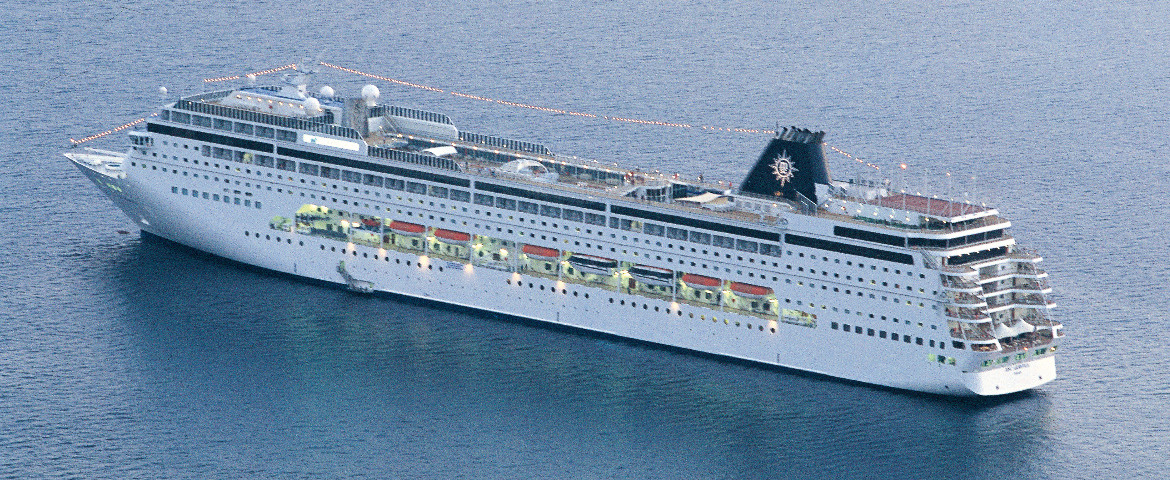
A bank of golden sand resting on a turquoise sea: that is all you can see from the deck, and that is precisely the promise of the day. Portuguese Island, in Maputo Bay, has no roads, no village and no monuments. The ship anchors offshore, tenders run a shuttle of about twenty minutes, and everyone sets foot on a Mozambican islet left in its natural state, between Inhaca and the capital.

Santa Cruz, the islet with two names

Portuguese navigators named it Ilha de Santa Cruz at the end of the 15th century, when their caravels were charting the route to the Indies along the East African coast. In everyday use, the name ended up recalling the nationality of its visitors instead. History stops more or less there, and so much the better: the place is lived in the present, barefoot, between the low vegetation of the centre and the golden ribbon that runs all around it. The islet stretches for about six kilometres; walking its length at a good pace along the water's edge, your only company will be seabirds, ghost crabs scurrying away from your footsteps and the sound of the surf. At low tide, the sea pulls far back and uncovers vast firm stretches, ideal for walking.

A day with your feet in the water

Swimming is the main program of the day. The lagoon bordering the landing area slopes gently, with water that stays warm almost all year in this subtropical climate. Cruise lines set up chairs, umbrellas and often a grill on the sand, where fish and langoustines sizzle at lunchtime. The more active put on a mask and snorkel over the nearby coral formations, frequented by colourful fish; with a little luck, a sea turtle or a pod of dolphins passes by offshore. Kayaks and paddleboards generally round out the options, depending on the port call.

Inhaca, the big neighbour

Those who want to give the port call a human face can join, when the itinerary allows, an outing to Inhaca Island, separated from the islet by a channel that local boats cross in a few minutes. There you will find a fishing village, a modest market, a century-old lighthouse and a marine biology station affiliated with Eduardo Mondlane University in Maputo, a testament to the scientific role of this reserve. Dhows, the traditional sailing boats of the Indian Ocean, often cross the channel: their triangular sails, filled by the trade wind, make one of the bay's most powerful images. In the fine season, Inhaca residents also cross over to offer passengers carvings, shell necklaces and sarongs laid out on mats.

Small things that make the day

  • Bring water-resistant sunscreen, a hat and water shoes: natural shade is rare and some stretches are covered in shells.
  • Plan for some portable shade — a sarong stretched out or a rented umbrella — to get through the hottest hours.
  • Bring meticais or small bills in foreign currency for vendors of carvings, capulana fabrics and cashew nuts, the country's pride.
  • Follow the crew's instructions on swimming areas: tidal currents can be strong at the ends of the sandbank.
  • Do not pick or take anything from the reefs: the bay's ecosystem is protected.

When the last tenders leave the shore, the islet returns to exactly the state in which the morning found it: sand, wind and birds. That may be the quiet lesson of this Mozambican interlude. There was nothing to visit, and yet no one returns on board empty-handed: everyone takes back the rare feeling of having had, for a few hours, a piece of the Indian Ocean almost to themselves.

Frequently Asked Questions

Nowhere: the ship anchors offshore in Maputo Bay and tenders run a shuttle of about twenty minutes to the sandbank.
Nothing, in the usual sense of the word. The islet has no road, no village and no monument. It is a beach day on a piece of the Indian Ocean left in its natural state, and that is the whole promise.
Because Portuguese navigators named it Ilha de Santa Cruz in the late fifteenth century, when their caravels were charting the route to the Indies. Common usage eventually kept the visitors' nationality instead.
Yes. The islet stretches about six kilometres and can be walked briskly along the waterline, with seabirds and ghost crabs for company. At low tide the sea pulls back to reveal wide firm flats, ideal for walking.
Excellent. The lagoon shelves gently and the water stays warm nearly year-round in this subtropical climate. Do follow the crew's instructions, however: tidal currents can be noticeable at the ends of the sandbank.
Yes, over the coral formations close to shore, which draw plenty of colourful fish. With some luck a sea turtle or a pod of dolphins passes further out.
Cruise lines usually set out chairs, umbrellas and often a grill on the sand, where fish and lobster sizzle at lunchtime. Nothing exists beyond what the ship brings ashore.
When the itinerary allows, yes: a narrow channel separates the two and local boats cross it in minutes. Inhaca has a fishing village, a modest market, a century-old lighthouse and a marine biology station.
Water-resistant sunscreen, a hat and water shoes, since natural shade is scarce and some stretches are shelly. A stretched sarong or a rented umbrella helps through the hottest hours.
Yes, in the good season: people from Inhaca cross over to offer carvings, shell necklaces and sarongs laid out on mats. Bring meticais or small foreign notes.