Ulva Island NZ New Zealand
New Zealand

2 Cruises availables At departure or passage at this port

Ulva Island, New Zealand | Cruise Port Guide

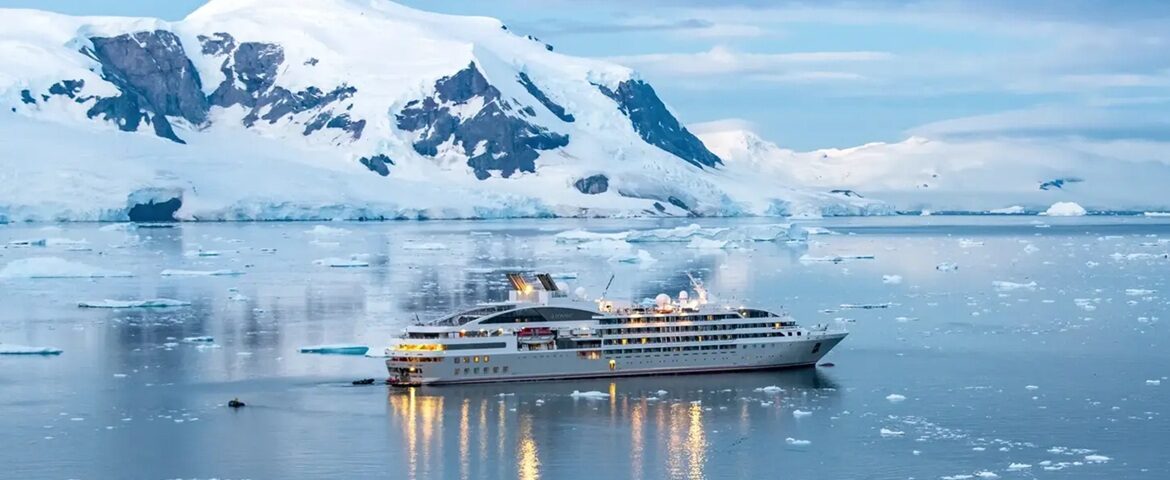
A flag raised on the shore once announced the arrival of the mail: the families scattered around Paterson Inlet would then row to Ulva Island to collect their letters at the cove's tiny post office. The spot has kept the name Post Office Bay, and it is still where you set foot ashore, landed by Zodiac from the ship anchored in the sheltered waters of Stewart Island, at the far southern tip of New Zealand. The mail stopped long ago; the birds, however, have returned in great numbers.

A sanctuary given back to the birds

Ulva is one of the few places in the country cleared of predators introduced by humans. Rats have been eradicated, and constant vigilance protects this balance: everyone checks bags and soles before boarding, and nothing is left behind, not even a fruit peel. This small ritual, far from being a burden, immediately puts passengers in the spirit of the place: here, humans are the guests. Over 267 hectares stretches a fragment of the world as it was before mammals arrived, where the forest has never known the axe. Near the jetty, the wooden post office hut, built in the late 19th century, still stands; people photograph it like a relic from the age of letters.

An original forest

Rimu, totara and other native conifers rise in tall stands above an understorey of ferns, orchids and deep mosses. The carefully maintained trails wind beneath this canopy to beaches of golden sand lapped by the calm waters of the strait. The air smells of humus and salt. And everywhere, from morning to night, there is song: the chimes of honeyeaters, the hoarse cries of parrots, the rustle of wings in the canopy. Some trees are several centuries old; their mossy trunks serve as perches, and their roots form natural steps underfoot. The tūī add their double song to the concert, half flute, half rattle, while the light, filtered through the foliage, casts pale patches on the mosses. Now and then, the loud wingbeats of the kererū, the large native pigeon, pass over the trail.

Encounters at boot level

Wekas, flightless rails with the look of a cheeky hen, rummage through the seaweed at the landing. Little Stewart Island robins hop right up between hikers' shoes, attracted by the disturbed leaf litter. Higher up, kākā, kākāriki and saddlebacks with their russet backs, vanished from almost everywhere else, call back and forth. With a little luck, the stocky shadow of a kiwi crosses the trail in broad daylight: the privilege remains rare, but the naturalist guides who accompany the groups know how to spot the signs, a footprint in the sand or a probe hole in the humus.

Walking without hurry

The trail network can be covered without any particular effort. From the landing, the Flagstaff Point lookout is about twenty minutes round trip, and Sydney Cove beach takes barely as long. The more distant coves of Boulder Beach and West End Beach require an hour and a half and two hours of easy walking respectively. The secret is to move slowly, stop often and let the silence do its work: it is in stillness that the forest comes alive. The naturalist guides punctuate the walk with listening stops: one minute without a word, and the foliage resumes its conversation.

Port of call at a glance

SiteRound-trip timeAccess
Flagstaff Point20 minutesEasy
Sydney Cove20 minutesEasy
Boulder Beach1 hr 30Moderate
West End Beach2 hrsModerate

On the way back, as the Zodiac pulls away from Post Office Bay, the chorus of birds still follows passengers out over the water. That is no doubt what you take away: less an image than a sound. That of a land as it sounded a thousand years ago, preserved on an islet you leave with regret, and on tiptoe.

Frequently Asked Questions

At Post Office Bay, by zodiac from the ship anchored in the sheltered waters of Paterson Inlet, Stewart Island. The name comes from the tiny post office local families used to row across to collect their mail.
In Paterson Inlet on Stewart Island, at the far south of New Zealand. Not to be confused with the Isle of Ulva in Scotland — this one is 267 hectares with no permanent residents.
Because rats have been eradicated and constant vigilance protects that balance. Across 267 hectares lies a fragment of the world before mammals arrived, in forest that has never known the axe.
Everyone checks bags and boot soles before boarding, and nothing is left behind — not even a fruit peel. That small ritual puts you straight into the spirit of the place: here, the human is the guest.
Weka rummage through the seaweed at the landing, Stewart Island robins hop right between walkers' shoes, and higher up kaka, kakariki and rust-backed saddlebacks call to one another — birds gone from almost everywhere else.
With luck: the stocky shadow of a kiwi sometimes crosses the track in broad daylight. The privilege remains rare, but naturalist guides know the signs — a print in the sand, a probe hole in the leaf litter.
Flagstaff Point lookout is about twenty minutes return, Sydney Cove beach barely more. The further coves of Boulder Beach and West End Beach take an hour and a half and two hours respectively at an easy pace.
Rimu, totara and other native conifers rise above an understorey of ferns, orchids and deep moss. Some trees are centuries old; their roots form natural steps underfoot.
By walking slowly, stopping often and letting the silence work: it is in stillness that the forest comes alive. Guides build listening stops into the walk — a minute without a word, and the canopy resumes its conversation.
None. No cafe, no shop, no drinking water supply. Only the wooden post office hut from the late nineteenth century still stands near the jetty. Bring what you need, and take everything back with you.