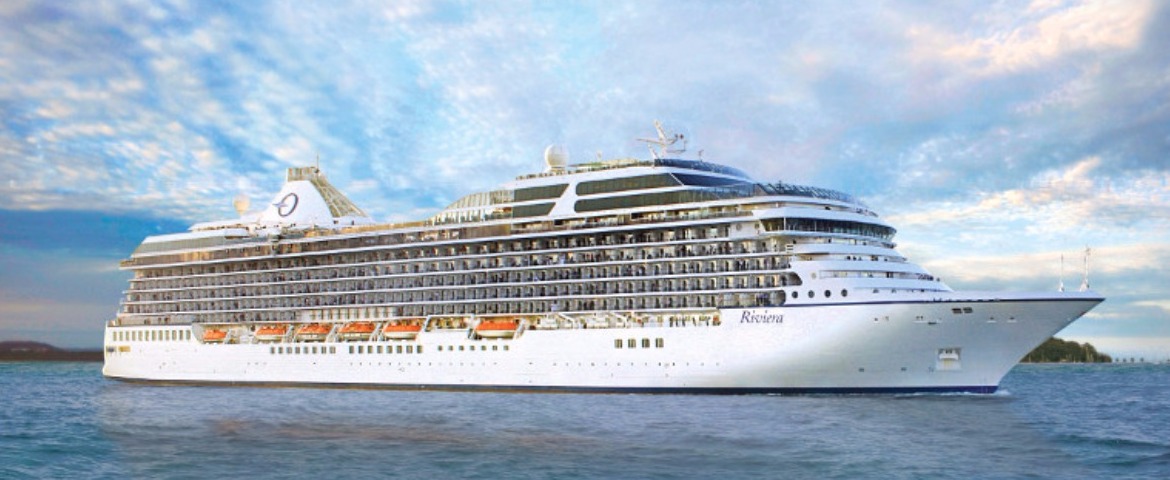
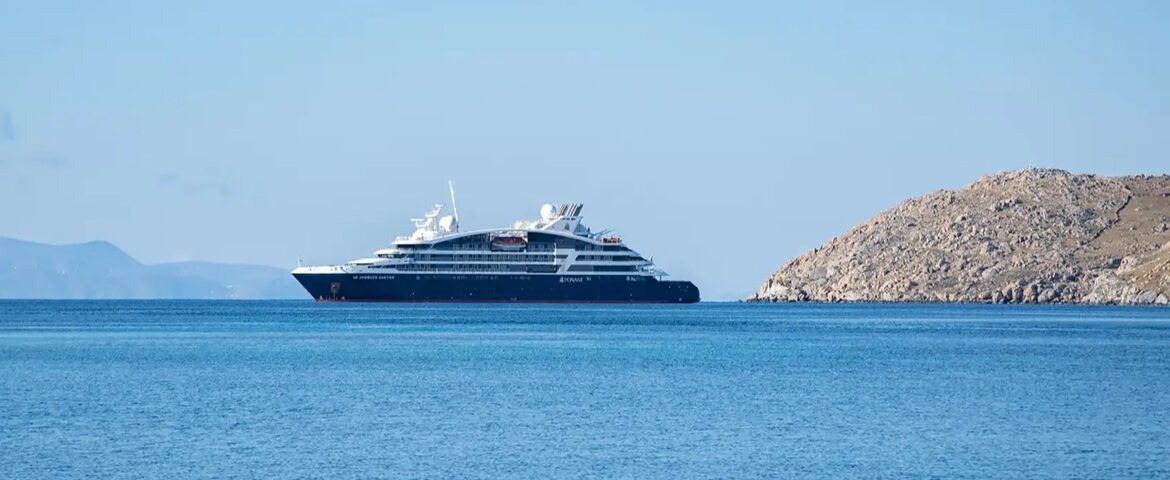
Waves of the South China Sea beat against a low shore fringed with coconut palms, and behind the beach stretches a coast few cruise passengers know how to place on a map: the province of Ilocos Norte, at the northwest tip of Luzon. Currimao, its port, long a simple anchorage where ships transshipped their passengers by tender, was enlarged and dredged in 2025; it now receives mid-sized ships at the dock, while the largest continue to anchor offshore. The port-call opens the door to a proud region, shaped by Spanish galleons and fortified churches.

A Coastline Rich in History

The town of Currimao lies about 3 kilometres from the port, in a landscape of beaches and rocky points beaten by swell. The region lives by fishing and agriculture, and a ship's passage remains an event the municipality marks willingly with music. Inhabitants welcome ships with stands of fruits, handicrafts and Ilocano specialities set near the dock, in an atmosphere of municipal celebration more than cruise terminal.

Paoay: The Fortress Church

The port-call's great excursion leads to the Church of San Agustin de Paoay, inscribed in UNESCO's World Heritage among the Baroque churches of the Philippines. Raised in coral and brick in the seventeenth and eighteenth centuries, it rests on enormous side buttresses designed to resist earthquakes, which give the building a massive silhouette unique in Asia. Its bell tower, built apart to limit seismic damage, served as a watch tower. Late afternoon brings the façade a golden tint photographers wait patiently to capture.

Laoag and Its Sinking Bell Tower

The provincial capital, Laoag, lies a short drive north. There you visit the Cathedral of Saint William and its famous leaning bell tower, built on sandy soil into which it has slowly sunk for two centuries: inhabitants tell that a rider could once pass through its door without dismounting. Around the central plaza, markets and Spanish-era buildings compose an animated provincial city where the kalesa, the horse-drawn taxi, still circulates.

Vigan: For Long Port-Calls

If time at dock permits, some circuits push on to Vigan, in the neighbouring province of Ilocos Sur. This city, also UNESCO-listed, preserves the finest ensemble of Spanish colonial architecture in the Philippines: paved streets, merchants' houses with mother-of-pearl windows, pottery and weaving workshops. The journey demands several hours round trip, however; enquire about the length of your port-call before choosing this option.

Ilocano Flavours

Between visits, the region tastes itself: orange empanadillas fried to order, garlicky longganisa and sugarcane vinegar accompany the return to port. The stands set up for the ships' arrival allow you to taste them without detour, under the enthusiastic advice of the vendors.

Landmarks to Organize Your Day

DestinationLocationMain Interest
Town of CurrimaoAbout 3 km from portColonial warehouses, coral coast
Church of PaoayNorth, short drive by coachSeismic Baroque, UNESCO
LaoagProvincial capital, northSinking bell tower, markets
ViganIlocos Sur Province, fartherSpanish colonial city, UNESCO

Evening Falls

Then the sun descends straight into the South China Sea, and the dock stands pack their dried mangoes and weavings. Currimao is still only a young port-call on company maps, and that is its advantage: the region reveals itself without crowds, with the spontaneity of places just beginning to receive the world. Those who have passed through speak of it as a well-kept secret of northern Philippines.

Frequently Asked Questions

The port was expanded and dredged in 2025: mid-size ships now berth alongside, while larger vessels still anchor offshore and tender passengers in.
In Ilocos Norte province, at the north-western tip of Luzon, facing the South China Sea. The town centre is about 3 km from the port.
Paoay's San Agustin church and the city of Laoag with its leaning bell tower. The two combine comfortably. Vigan takes several hours each way and only suits long calls.
A fortress church inscribed on the World Heritage list among the Baroque Churches of the Philippines, built of coral stone and brick in the 17th and 18th centuries. Its huge side buttresses, designed against earthquakes, give it a silhouette unique in Asia.
Because it was built on sandy ground into which it has been sinking slowly for two centuries. Locals say a rider could once pass through its doorway without dismounting.
Yes, but the round trip takes several hours, into neighbouring Ilocos Sur province. Check the length of the call before choosing this option.
Orange empanadas fried to order, garlicky longganisa and cane vinegar. Stalls set up for ship arrivals let you try them without leaving the pier.
The Philippine peso, in small notes for the stalls. Ilocano is spoken in the province, but English is an official language and works everywhere.
More a town festival than a cruise terminal: music, and stalls of fruit, crafts and Ilocano specialities set up near the pier. A ship calling here is still an event.
For anyone who likes regions just beginning to receive visitors, yes. It is a young call on cruise charts: the province can be seen without crowds. Anyone looking for large developed attractions will be disappointed.