Culebra Island Puerto Rico

17 Cruises availables At departure or passage at this port

SeaDream Yacht Club (17 Cruises)
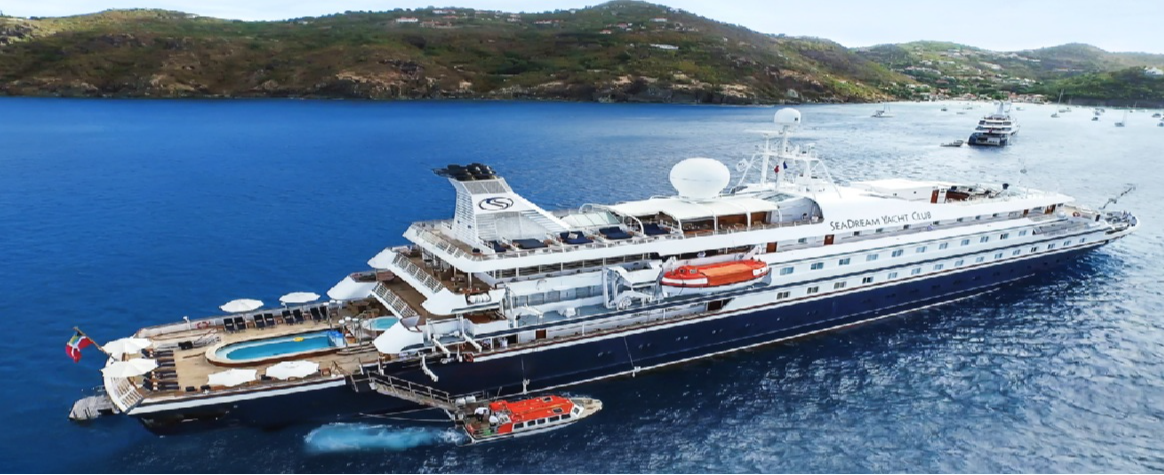
The shuttle leaves the ship anchored offshore and speeds toward a shore without buildings, without signs, almost without cars. Culebra appears thus: a handful of green hills set between Puerto Rico and the Virgin Islands, about 27 kilometres from the large island. Cruise passengers who land at the municipal wharf of Dewey, the sole village, quickly understand that this port-call resembles no other in the southern Antilles. Here, the sea does the spectacle.

Dewey: A Village You Can Hold in Your Hand

A few streets, a canal crossed by a small bridge, family eateries where they serve lobster empanadillas and fresh-pressed fruit juices to order. Dewey is traversed in about twenty minutes, without a precise itinerary. Inhabitants circulate in golf carts, greet newcomers, take time to chat. No great resort complex has settled on the island, and this restraint is felt in the village's pace. You adjust your watch to local tempo before heading toward the shores.

Flamenco: A Bay Ranked Among the World's Finest

About four kilometres from the wharf, Flamenco Bay unrolls its arc of clear sand between two wooded points. The road is hilly and the heat is unforgiving: better to climb aboard a público, those shared shuttles waiting near the landing. The water remains calm nearly year-round, sheltered by the horseshoe of the points. At the western end, a rusted tank rests in the sand, a vestige of American marine exercises that used Culebra as a firing range until 1975. Local artists have repainted it so many times it has become part of the landscape.

Turtles Within a Few Paddle Strokes

Much of Culebra and its islets form a national wildlife refuge created as early as 1909. This long-standing protection explains the marine seabed's health. At Tamarindo, a nearby cove, green turtles graze the seagrass metres from shore; you observe them snorkelling, in two or three metres of water, without particular effort. Better-equipped enthusiasts reach Carlos Rosario's reef, where corals and tropical fish succeed one another along a shallow wall. Mask and snorkel rent at the village for a few dollars.

Culebrita: The Islet with the Lighthouse

When the port-call's schedule permits, a boat-taxi outing leads to Culebrita, an uninhabited islet topped by a nineteenth-century lighthouse. Its natural pools carved in rock, fed by waves, offer swimming unlike anything the neighbouring large islands propose. The crossing lasts about fifteen minutes and is arranged directly at the landing, with local captains.

Port-Call Landmarks

ElementDetail
MooringAnchorage offshore, shuttle transfer to Dewey
Flamenco BeachAbout 4 km, 10 minutes by público
Snorkelling with TurtlesPlaya Tamarindo, near the main beach
Currency and LanguageUS dollar; Spanish and English

Return to the Ship

Late in the day, the shuttle passes again before the anchored sailboats. Salt dries on the skin, the day's images file past: Flamenco's translucent water, a shell glimpsed in the seagrass, the village that went unhurried. Culebra has neither monument nor museum of note, and that very spareness is what remains in memory. Those who climb back aboard already know they will tell this day's story first.

Frequently Asked Questions

It doesn't dock: the ship anchors offshore and passengers reach the municipal pier at Dewey, the island's only village, by tender. Culebra lies about 27 kilometres from the main island of Puerto Rico.
Yes, in about twenty minutes, with no particular route needed. A few streets, a canal crossed by a small bridge, family kitchens serving lobster empanadillas and juice pressed to order. Locals get around in golf carts.
By público, the shared vans waiting near the landing. The bay is about four kilometres away and the ride takes ten minutes or so. The road is hilly and the heat is unforgiving: walking is not advised.
Its arc of pale sand between two wooded points, regularly ranked among the finest beaches in the world. The water stays calm nearly all year, sheltered by the horseshoe of the headlands.
It is a leftover from US Navy exercises; Culebra served as a firing range until 1975. The rusted tank sits in the sand at the western end of the beach, repainted so many times by local artists that it now belongs to the scenery.
Yes, at Playa Tamarindo, a cove next to the main beach. Green turtles graze the seagrass a few metres from shore in two or three metres of water: you can watch them snorkelling without any special effort. Mask and snorkel rent in the village.
Tamarindo for the turtles, and Carlos Rosario reef for those better equipped, where coral and tropical fish follow one another along a shallow wall. Much of the island has been a national wildlife refuge since 1909, which explains the health of the reefs.
An uninhabited islet crowned by a 19th-century lighthouse, about fifteen minutes away by water taxi. Its natural rock pools, refilled by the waves, offer a swim unlike anything on the larger neighbouring islands. Trips are booked at the landing, if the call's timing allows.
No, and that bareness is exactly what stays with you. No large resort has ever been built on the island. Here the sea is the whole show: anyone looking for cultural sightseeing will be disappointed.
The US dollar, since Puerto Rico is a United States territory, and both Spanish and English. Cards work in Dewey's businesses, but carry cash: públicos, snorkel rentals and water taxis prefer it.