Bom Bom Island Sao Tome and Principe
Sao Tome & Principe
A wooden footbridge spans the clear water between two forested shores: the islet of Bom Bom on one side, the northern tip of Príncipe on the other, the quieter of the two islands making up São Tomé and Príncipe. Expedition ships venturing into this corner of the Gulf of Guinea find here a little-known port call, where nature holds the entire stage. There's no terminal here, no waterfront promenade: just small boats, a beach, and the constant song of the forest.

An Islet Within a Biosphere Reserve

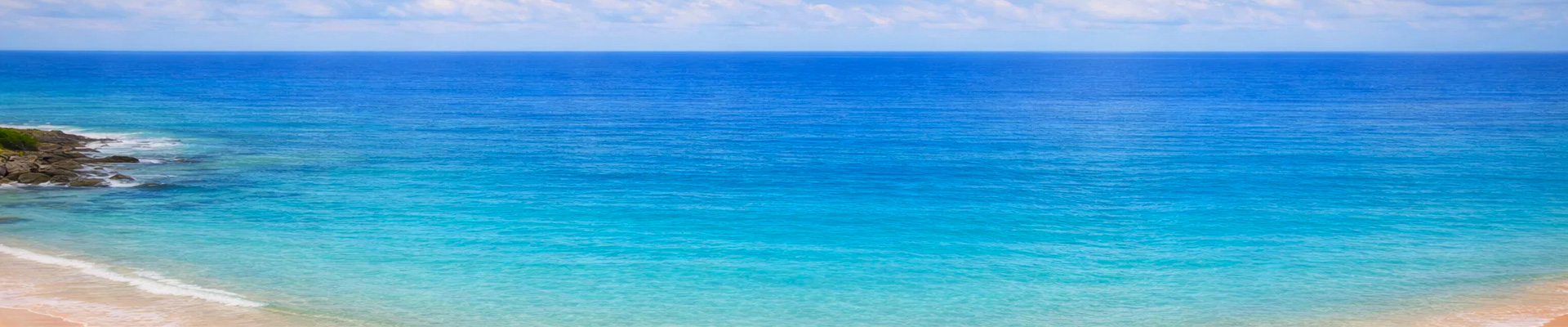
The whole of Príncipe is a UNESCO Biosphere Reserve, and Bom Bom forms one of its most accessible gateways. The islet, connected to the main island by its long stilted footbridge, is lined with two golden sand beaches facing away from each other, each fringed with clear water; the sand, fine and warm, slopes gently, and you swim amid reflections that shift with the clouds. Between the two, a few palm-thatched roofs blend in beneath the trees; the rest belongs to the birds, the crabs and the warm wind.

Mask, Snorkel and Parrotfish

The waters surrounding the islet rank among the clearest in the Gulf of Guinea, and you can wade straight in from the beach, no boat or detour required. With fins on, you glide over coral formations where parrotfish and a host of tropical species move about; equipped divers explore deeper waters, still little frequented, in often remarkable visibility. Depending on the season, outrigger canoe trips offshore let you catch sight of whales' spouts as they pass along the archipelago. The sea here is no mere backdrop: it's the main event.

Beneath the Neighbouring Canopy

On the other side of the footbridge, guided walks lead into the forest of the main island. Beneath the canopy of towering trees, guides point out the endemic birds that draw birdwatchers here from around the world, as well as the plants locals use for remedies and materials. The humidity carries the smells of earth and flowers; shafts of light piercing the foliage illuminate a plant world of rare density, where every trunk carries its own garden of moss and epiphytes. You walk slowly, stopping often, and that's exactly as it should be.

The Memory of the Plantations

Some outings visit former roças, the colonial-era agricultural estates where the cacao that once made the archipelago's fortune was grown. Weathered buildings, cacao drying sheds, rows of palm trees planted in perfectly straight lines: these history-laden places, some still inhabited, tell a complex chapter of the archipelago's past and the life being reinvented there today, between a revival of agriculture and the welcome extended to passing travellers. Visited with respect, the outing lends human depth to a port call otherwise devoted entirely to nature.

The Luxury of Silence

What Bom Bom offers that's most precious appears on no itinerary: time. Time for a swim with no one else on the horizon, a nap in the shade, a barefoot walk along the warm water, counting the crabs as they scurry away. The archipelago remains off the main shipping routes, and that rarity is felt in every hour spent ashore; even conversations between passengers seem to drop a notch, as if not to disturb the quiet.

Taking a Little Green Home

As the small boats bring passengers back to the ship, the wooden footbridge shrinks against the forest backdrop, and the main island becomes once again that green smudge few travellers could ever place on a map. That's the privilege of these little-known port calls: they aren't told to just anyone, they're confided. This is one to save for the conversations that matter, with those who will understand.

Frequently Asked Questions

Off the northern tip of Principe, the quieter of the two islands of Sao Tome and Principe, in the Gulf of Guinea. A long wooden boardwalk on stilts links the islet to the main island.
By tender. There is no terminal and no waterfront: expedition ships anchor offshore and set passengers down on the beach. It is a discreet call where nature holds the whole stage.
Swim and snorkel straight off the beach, then cross the boardwalk for a guided walk under Principe's canopy. Some outings also reach old rocas, the colonial-era cocoa estates.
Very good. The waters around the islet are among the clearest in the Gulf of Guinea, and you enter from the beach, no boat needed. You glide over coral heads where parrotfish and a crowd of tropical species circulate.
Two, facing away from each other on either side of the islet. Golden sand, fine and warm, a gentle slope and clear water: the layout means you can find shelter whichever way the wind blows that day.
The entire island is inscribed by UNESCO for its forest and endemic species. Bom Bom is one of its most accessible thresholds: a few steps of boardwalk take you from beach to primary forest.
Seasonally, yes. Pirogue trips offshore can catch the blow of whales passing along the archipelago. Nothing is guaranteed: it is a seasonal encounter, not a scheduled attraction.
A colonial-era agricultural estate where the cocoa that made the archipelago's fortune was grown. Weathered buildings, cocoa drying racks, palm avenues planted in straight lines: these places, some still inhabited, tell a complex chapter of the past and the life being rebuilt there.
Fine, for swimming and snorkelling in shallow water. That said, the tender landing, the absence of services and the equatorial heat call for preparation. This is not a call with conveniences.
Mask and snorkel if the ship does not lend them, mineral sunscreen, water shoes, insect repellent for the forest, and water. There is no shop on the islet: everything you need leaves the ship with you.