Sainte Anne Island Seychelles
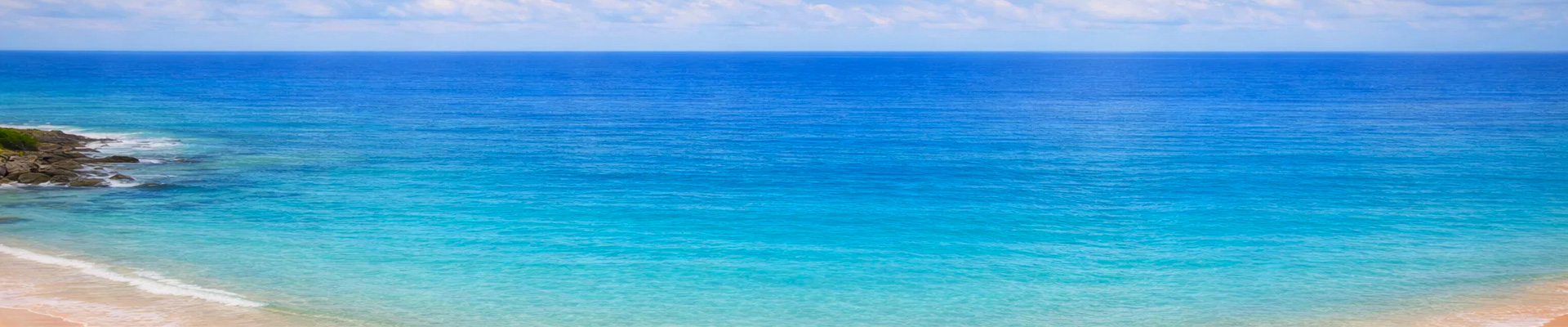
Saint Anne Island, Seychelles | Cruise Port Guide
Frequently Asked Questions
Landings depend on the day's permissions. Ships and catamarans anchor in the sheltered waters of the marine park, about 4 km off the east coast of Mahé, and many itineraries favour the neighbouring islands, keeping Sainte Anne as the backdrop.
The first marine protected area in the western Indian Ocean, created in 1973. It covers six islands — Sainte Anne, Moyenne, Ronde, Longue, Cerf and Île Cachée — and most of its territory lies underwater.
You move from anchorage to anchorage: swimming, snorkelling over the coral gardens, glass-bottom boat runs for those who prefer to stay dry, and often a walk on Moyenne Island.
Yes, on tiny neighbouring Moyenne. More than a hundred Aldabra tortoises roam free there, along shaded paths that circle the island in about an hour on foot.
Yes. Fishing has been banned for half a century and it shows: over 150 fish species, brain corals, shoals of blue damselfish and green turtles grazing over the seagrass. Guides know the corners where currents stay weak.
Yes. The water is warm year-round, the marked zones are sheltered, and the glass-bottom boat shows you everything without getting wet. Tell your guide and they will pick a calm anchorage.
The island holds a single resort and has no shops open to day visitors. Plan to leave with everything you brought.
Often, yes. Several trips include a Creole meal on a beach or aboard: grilled fish, spicy Creole sauce, fragrant rice, green papaya chutney and fruit salads.
Mainly between April and December, beyond the marked zones. Nothing is guaranteed: these are wild animals in a park where sightings depend on tide, light and luck.
The Seychellois rupee, though the excursion usually covers everything you need on the water. Seychellois Creole, French and English are all spoken.


