Saldanha Harbour South Africa
Saldanha, South Africa | Cruise Port Guide
Frequently Asked Questions
In the country's largest natural harbour, about a hundred kilometres north of Cape Town. The port makes no apology for its industrial calling: ore terminals, fishing basins and oyster pontoons.
Barely. A short walk along the bay beaches is possible, but the region's real riches lie some thirty kilometres south. Plan on a vehicle or an excursion.
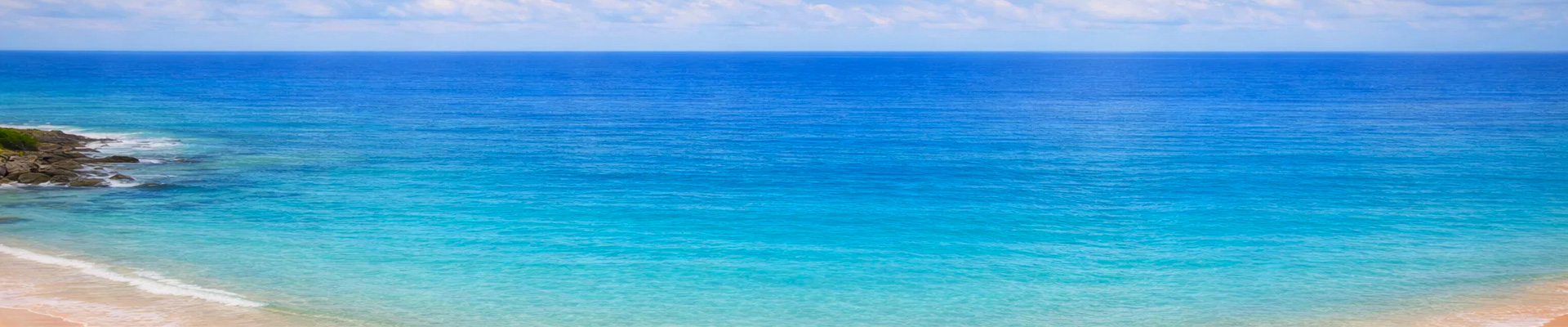
A lagoon roughly fourteen kilometres long, shielded from the ocean by a spit of dunes, its water shifting between mint and ultramarine with the tide. Listed as a wetland of international importance, it feeds tens of thousands of birds.
Greater flamingos in rippling lines, black oystercatchers and squadrons of pelicans, among more than 250 species that use the area across the seasons. Hides built at mudflat level make watching easier.
A fynbos plateau around Langebaan Lagoon, that low scrubland found nowhere else on earth. Antelope, land tortoises and ostriches can be seen along the scenic roads.
In August and September, the southern spring: orange daisies and wild lilies blanket entire hillsides. It is one of southern Africa's great botanical displays, and it lasts only a few weeks.
Saldanha mussels, plump and briny, usually served marinière or gratinated, and oysters farmed in the bay. The terraces of Langebaan village look down over the main beach.
Sheltered beaches on the lagoon shore, facing sailboats moored in an almost motionless cove. It is the best picnic spot in the area.
A windbreaker, even in fine weather. The wind lives here: it ruffles the harbour, drives the clouds and delights the kitesurfers of Langebaan. It is part of the landscape.
The Langebaanweg fossil beds, among the world's richest for the Pliocene, which have yielded remains of short-faced bears and primitive giraffes. An interpretation centre displays the finds on certain days: a detour for enthusiasts.


