Tobago Cays Grenadines
St Vincent & Grenadines
42
Cruises availables
At departure or passage at this port
Emerald Waterways (31 Cruises)
Emerald Azzurra
27 Cruises
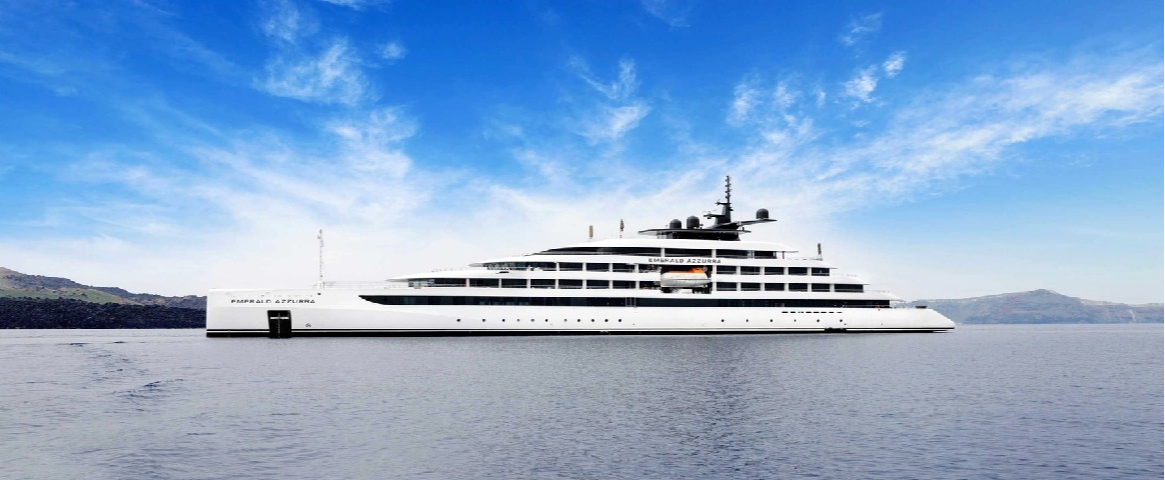

| 24 January | 6 days | Round-trip 7 Night Grenadines and Windward Islands Yachting Cruise |
450-628-6241
Call us
|
| 21 February | 6 days | Round-trip 7 Night Grenadines and Windward Islands Yachting Cruise |
450-628-6241
Call us
|
| 21 March | 6 days | Round-trip 7 Night Grenadines and Windward Islands Yachting Cruise |
450-628-6241
Call us
|
| 28 November | 6 days | Round-trip 7 Night Grenadines and Windward Islands Yachting Cruise |
450-628-6241
Call us
|
| 2 April | 6 days | Round-trip 7 Night Grenadines and Windward Islands Yachting Cruise |
450-628-6241
Call us
|
| 7 January | 6 days | Round-trip 7 Night Grenadines and Windward Islands Yachting Cruise |
450-628-6241
Call us
|
Ponant (8 Cruises)
Le Ponant
8 Cruises
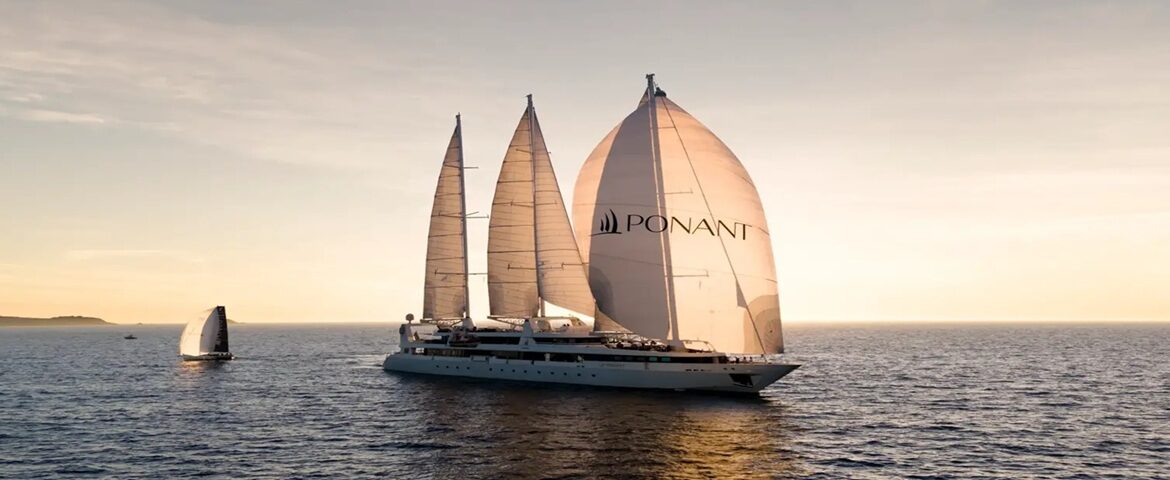

| 28 February | 6 days | Round-trip 7 Night Gliding the Waters of the Windward Islands Cruise |
450-628-6241
Call us
|


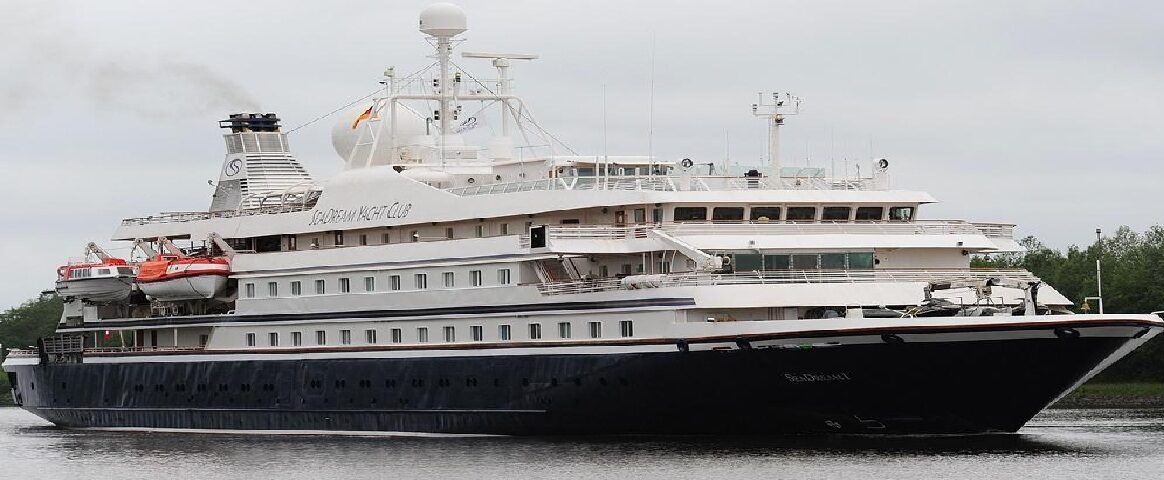
SeaDream Yacht Club (1 Cruises)


Port of the Tobago Cays, Saint Vincent and the Grenadines | Cruise Port Guide
Frequently Asked Questions
Nowhere — there is no pier, no village, not even a road. Ships anchor in the lagoon or at its entrance and tenders land straight onto the sand. The Tobago Cays are five uninhabited islets behind a horseshoe reef, inside a protected marine park of Saint Vincent and the Grenadines.
Petit Rameau, Petit Bateau, Baradal, Jamesby and Petit Tabac. The names come from the French colonial era and belong to green mounds fringed with white sand. Horseshoe Reef encircles them and breaks the Atlantic swell, creating several square kilometres of turquoise water where the bottom stays visible at ten metres.
Yes, around Baradal, whose seagrass bed is a buoyed turtle sanctuary. Green turtles graze there by the dozen a metre or two down, entirely unbothered; you swim directly above them, sometimes beside a stingray half buried in sand. Mask and snorkel are enough and no experience is needed.
Early morning, while the water is still glassy — visibility is far better than at midday once the trade wind has raised a chop. Tenders drop swimmers a few metres from the marked zone.
Yes. Park rangers patrol by boat, collect an entrance fee and enforce the rules: no fishing, no anchoring on coral, no shell collecting. Established in the late 1990s, the protected area covers some fifty square kilometres of reef, seagrass and shallows.
None. No running water, no shops, no shelter. Come ashore with water, a hat and sun protection, and leave with your rubbish. That absence of infrastructure is precisely what makes the place worth visiting.
Walk. Each islet takes minutes to cross; trails run over the two northern islets between candle cactus and sea grape, where iguanas pose without hurrying. Frigatebirds circle high, pelicans dive off the beaches, terns nest on the rocky points. On the inner face of the reef, stronger snorkellers find parrotfish, surgeonfish and angelfish.
Yes, on Petit Tabac, the most isolated islet behind the reef. Its beach is where Jack Sparrow is marooned in the first film of the series.
Depending on the day’s arrangements, yes. Boatmen from neighbouring islands sometimes set up grills on the main islet: lobster, jerk chicken, creole rice and plantain served with your feet in the sand. The ship’s excursion programme will say whether that stop is included; nothing is guaranteed from one call to the next.
Very much so, for anyone who likes the water. The lagoon is shallow and sheltered by the reef, and the turtles fascinate children as much as adults. But there is no organised shade, no service and no fallback if it rains: this is a full-sun call you prepare for before stepping off the tender.


