Funafuti Tuvalu Fongafale, Tuvalu Islands
Tuvalu
Funafuti | Cruise Port Guide
Frequently Asked Questions
It anchors in Te Namo, the lagoon of roughly 275 square kilometres formed by the ring of islets, and tenders land passengers at the small quay on Fongafale, the main islet. The inner waters are calm, which makes the transfer straightforward most of the time.
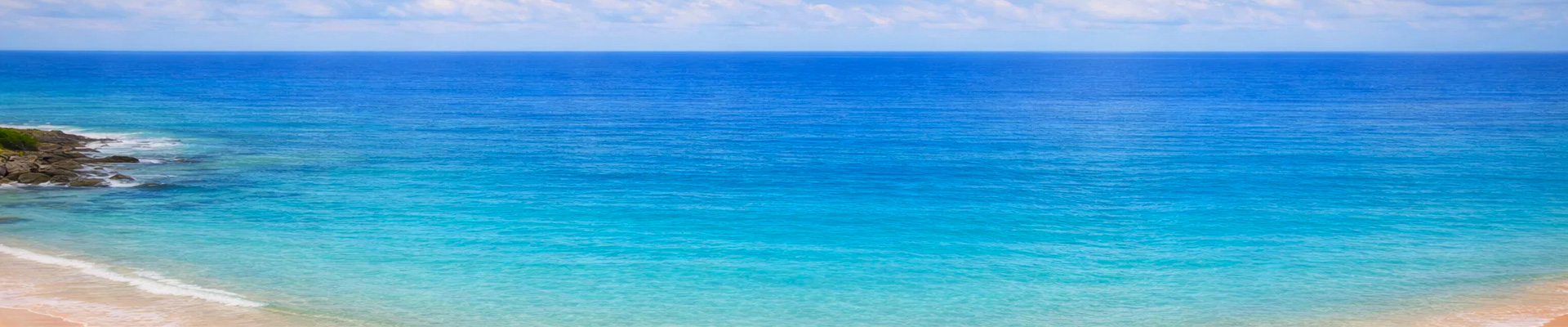
A strip of land with startling proportions: twelve kilometres long and never more than four hundred metres wide. Ocean swell on one side, the turquoise sheet of the lagoon on the other, and between them a single road lined with stilt houses, churches and coconut palms.
Yes, and that image sums up the country. Only a few planes arrive each week; the rest of the time, residents take over the tarmac: rugby and volleyball in the late afternoon, evening strolls, children on bicycles. A siren announces the rare landings.
Walk or scooter around the village, at the pace of exchanged greetings. You'll pass the maneapa, the community hall with its wide overhanging roof where meetings, feasts and traditional dances are held, a few simple shops, and women weaving pandanus fans and mats.
The large community hall with its wide overhanging roof, the heart of Tuvaluan social life. Meetings, celebrations and traditional dances to drumming take place there. If a ceremony is under way during your call, ask before entering or photographing: it is a living space, not an attraction.
From late 1942, American forces made the atoll a forward base against Japanese positions in the Gilbert Islands. The current airstrip is the direct legacy, and the surroundings still hold bunkers, cisterns and aircraft wrecks slowly swallowed by vegetation. Elders will happily point out the locations.
Stamps from the philatelic bureau, which have delighted collectors for decades, and woven pandanus crafts: fans and mats, the country's most living craft tradition. Bought directly from the women who weave them, they beat any shop souvenir.
Absolutely. The Australian dollar is in use and cards are close to useless: ATMs are all but non-existent and shops run on cash. Bring small notes from the ship, you won't get another chance.
Tuvaluan and English, both official. The welcome is disarmingly kind and a smile opens every conversation. About six thousand people live on the atoll, more than half the country's population: you quickly become a familiar face.
Yes, and you can see it with the naked eye. On a strip of land four hundred metres wide rising only a few metres, king tides already push up through the coral ground in the middle of the village. It is one of the rare calls where the climate question is not a topic of conversation but a daily reality.


