Ayr Scotland
United Kingdom
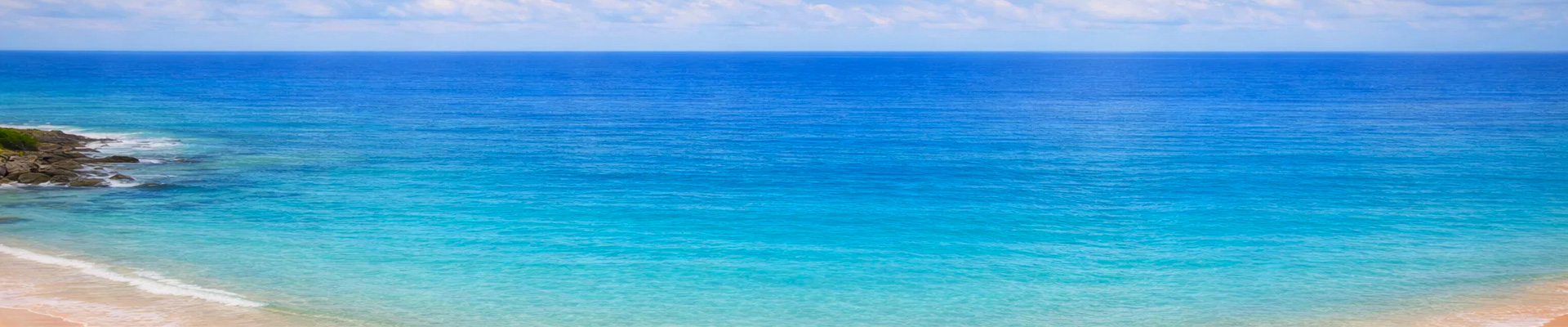
The light over the Firth of Clyde has a changeable quality that suits the Ayrshire coast well: a ray breaks through the clouds, lights up the long sandy beach, then moves on toward the mountainous silhouette of the Isle of Arran on the horizon. It's against this backdrop that ships anchor off Ayr, on Scotland's southwest coast. Tenders bring passengers to a pontoon on the north bank of the river, right by the centre of town. A seaside market town at heart, Ayr is best known as the birthplace of a poet: Robert Burns was born just up the road.

First Steps into Town

From the landing point, it's just a few minutes' walk to the shopping streets. The centre holds onto some fine reminders of its past: the Auld Kirk, the 17th-century church where Burns was baptized, sits tucked down a lane near the river; Loudoun Hall, one of the oldest surviving town houses in Scotland, dates from the 16th century. The Auld Brig, the old stone bridge the poet immortalized in verse, still spans the River Ayr and can be crossed on foot. Between stops, tea rooms and pubs are a reminder you're in Scotland: a warm scone or a steaming bowl of soup makes up for any passing drizzle. On market day, the stalls add their colour to the shopping streets, and the lilting Ayrshire accent does the rest.

Alloway, the Poet's Village

About five kilometres south of the centre, the village of Alloway holds most of what remains in memory of Scotland's national poet, born here in 1759 in a cottage his father built with his own hands. Burns Cottage is open to visitors, its modest interior faithfully recreated, and the museum next door holds manuscripts, personal belongings and first editions. A path leads to the neoclassical monument surrounded by gardens, as well as to the old Brig o' Doon bridge and the ruins of Alloway Kirk, both settings for the poem "Tam o' Shanter." Local buses connect downtown Ayr to Alloway in just a few minutes; the whole visit takes a relaxed two to three hours. Even without knowing a single line of Burns, it's easy to get drawn in: the visit tells the story of 18th-century rural Scotland with real warmth.

The Beach and the Esplanade

Back in town, the long sandy beach invites a walk facing out to sea. The esplanade follows the bay for several kilometres, popular with dog walkers, families and opportunistic gulls. On a clear day, the view stretches to the peaks of Arran and, further south, to the granite rock of Ailsa Craig. It's the breathing room of this port call: after the low-rise houses and literary landmarks, the air off the Firth clears the head.

For Castle Lovers

Those who prefer stone to poetry should head for Culzean Castle, about twenty kilometres to the south: a castle perched on its clifftop above the Firth of Clyde, surrounded by gardens and a large wooded estate. The visit takes a full half-day, including travel time, so it needs to be planned around the tender schedule, and return times depend on sea conditions: it's best to leave a good margin. Excursions organized through the ship remain the simplest way to get there.

The Final Word

Heading back to the pontoon, it's not unusual to hear a local reciting a few lines from the bard, the way someone might hum a song learned in school. That may be Ayr's true legacy: a modest-sized town that gave Scotland its most beloved voice, and that still goes about its simple life between its river, its market and its bay. Passengers head back on board with images of wet sand and old stone, and a sudden urge to open a book of Scottish poetry.

Frequently Asked Questions

By tender. Ships anchor off Ayr on the Firth of Clyde, and tenders bring passengers to a pontoon on the north bank of the river, right by the town centre.
Yes. A few minutes brings you to the shopping streets, the Auld Kirk, Loudoun Hall and the Auld Brig. Alloway, about five kilometres south, requires a short local bus ride.
Because Scotland's national poet was born in 1759 in nearby Alloway, in a cottage his father built with his own hands. Ayr's Auld Kirk, the 17th-century church where Burns was baptized, hides at the end of a lane near the river.
Burns Cottage, with its modest interior recreated, and the neighbouring museum holding manuscripts, personal effects and first editions. A path leads to the neoclassical monument set in gardens, and on to the old Brig o' Doon and the ruins of Alloway Kirk, settings of the poem Tam o' Shanter.
Two to three hours for the whole thing, taken at an easy pace. Local buses link central Ayr to Alloway in a few minutes. Even without knowing a line of Burns, the visit draws you in: it tells the story of 18th-century rural Scotland with real humanity.
The old stone bridge that Burns immortalized in verse. It still spans the River Ayr and can be crossed on foot, steps from the town centre.
Yes, a long sandy beach with an esplanade following the bay for several kilometres. On a clear day the view reaches the peaks of the Isle of Arran and, farther south, the granite rock of Ailsa Craig.
Yes, but it is a commitment: the castle, perched on its cliff above the Firth of Clyde some twenty kilometres south, needs a full half day including travel. Since landings are by tender, returns depend on sea conditions — keep a good margin and favour an organized excursion.
The pound sterling and English, with the lilting Ayrshire accent. Payment cards work everywhere; on market day a little cash is handy.
Yes, though it is not designed for children. The beach and esplanade give them room to run, and the tearooms and pubs downtown make pleasant stops. The Burns sites appeal mainly to adults and teenagers.