Stromness Orkney Island Scotland
United Kingdom

1 Cruises availables At departure or passage at this port

Stromness, Scotland | Orkney Cruise & Travel Guide

The streets of Stromness are paved with flagstones polished by three centuries of sailors' footsteps. They wind between grey stone houses whose gables turn their backs to the wind, and every lane running down to the water bears the name of a captain or merchant. The second-largest town in Orkney, this former haven for seafarers offers cruise passengers an ideal gateway to one of Europe's richest prehistoric landscapes.

A natural anchorage steeped in history

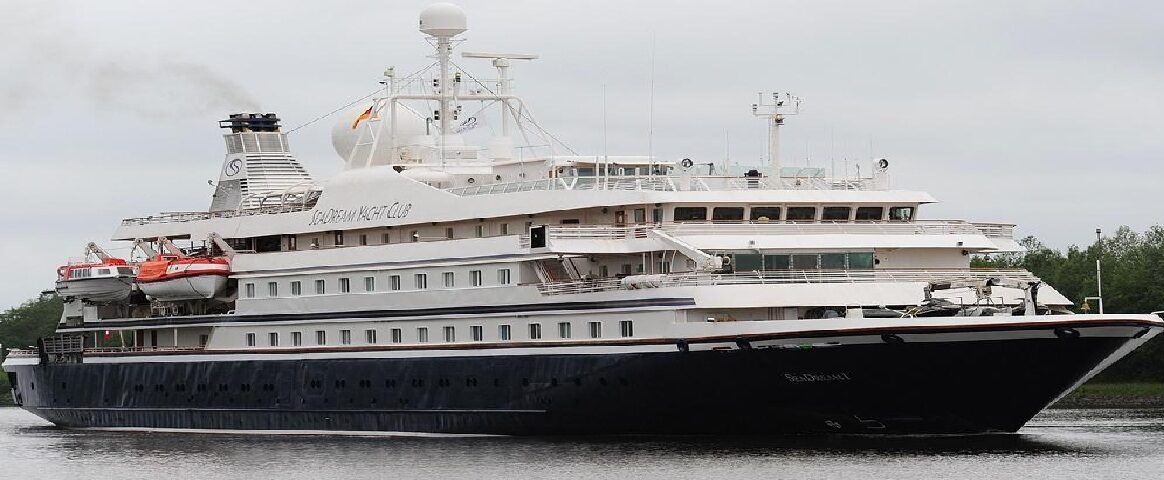
Ships dock at the pier right in the heart of town or anchor offshore and send passengers ashore by tender to the marina: either way, everything is within walking distance. Stromness prospered in the 18th and 19th centuries thanks to its strategic position: when the Anglo-French wars made the English Channel dangerous, ships sailed around the north of Scotland and called here. Hudson's Bay Company ships recruited many Orcadians here, so much so that part of Canada's history was written from these quays. The small local museum tells the story of these maritime ties, from whalers to Franklin's Arctic expeditions, which made their last British call here.

The single street and its byways

The main thoroughfare, by turns Victoria Street, Graham Place and Dundas Street, threads its way parallel to the shore, so narrow that cars are rare. Art galleries, craft workshops, bookshops and cafés occupy the former merchants' houses. The Pier Arts Centre, housed in a restored warehouse on its own pier, displays a collection of 20th-century British art whose quality is surprising in such a small harbour. Photographers linger in the lanes that run down to the water, framing boats, gables and reflections.

Skara Brae and the Neolithic heart of the archipelago

The major excursion leads to Skara Brae, on the Bay of Skaill: a 5,000-year-old Stone Age village, buried under sand for millennia and uncovered by a storm in 1850. Its semi-subterranean houses still have stone beds, shelves and hearths, with a realism that erases the distance of time. The site is part of the Heart of Neolithic Orkney, a UNESCO World Heritage Site, as is the Ring of Brodgar, an immense circle of standing stones about ten kilometres from town, and the neighbouring Stones of Stenness. Along the way, the landscape of lochs and meadows creates a setting of unexpected gentleness at these latitudes.

SiteAccess from the pierHighlight
Stromness MuseumOn footMaritime history, Hudson's Bay, Franklin
Pier Arts CentreOn foot20th-century British art
Ring of BrodgarAbout 10 kmWorld Heritage Neolithic ring
Skara BraeOrganized excursion5,000-year-old village

Scapa Flow, naval memory

To the south lies Scapa Flow, the vast natural anchorage that served as the main base of the British navy during both world wars. It was here that the German fleet scuttled itself in 1919, an episode that still fascinates the divers who come to explore the wrecks. Scenic excursions often skirt this body of water so full of history, and naval history enthusiasts will find plenty here to extend the day.

Northern treats

Cafés on the main street serve fish soups, Orkney crab and homemade cakes; local beer and whisky from the archipelago's distilleries warm up windy late afternoons. Many visitors leave with a seaweed soap, a piece of jewellery inspired by Viking motifs or a watercolour bought from the artist, souvenirs that reflect the place: handmade, not mass-produced.

A last look at the grey gables

As the ship pulls away from the pier, the stone houses close ranks into a single grey line between the water and the hills, exactly as the captains of old saw it when leaving for the Arctic or Canada. Stromness has the rare quality of making you feel the depth of time, from the Neolithic builders to the Hudson's Bay sailors. You leave a little pensive, wanting to reopen the explorers' accounts, and certain that Orkney deserves far more than a single port call.

Frequently Asked Questions

Alongside, right in the heart of the town, or at anchor with tenders to the marina depending on the ship's size. Either way, everything afterwards is on foot: the lanes begin metres from the water.
Yes, and it is the only way. The main artery, in turn Victoria Street, Graham Place and Dundas Street, threads along the shoreline, so narrow that cars are rare. Its flagstones have been polished by three centuries of sailors' footsteps.
The excursion to Skara Brae and the Neolithic heart of Orkney takes up half the day; keep the rest for the single street, the local museum and the Pier Arts Centre. Adding Scapa Flow to that programme means sacrificing the town itself.
A Stone Age village 5,000 years old on the Bay of Skaill, buried under sand for millennia and uncovered by a storm in 1850. Its half-sunken houses still hold stone beds, dressers and hearths, with a realism that collapses the distance of time.
The Ring of Brodgar, a huge circle of standing stones about ten kilometres away, and the neighbouring Stones of Stenness. With Skara Brae they make up the Heart of Neolithic Orkney, a UNESCO World Heritage Site.
Hudson's Bay Company ships recruited large numbers of Orcadians here, so part of Canada's history was written from these quays. The local museum tells these maritime links, from whalers to Franklin's Arctic expeditions, which made their last British call here.
A gallery in a restored warehouse on its own pier, showing a collection of twentieth-century British art whose quality surprises in so small a harbour. It is one of the easiest stops to fit into a short call.
The vast natural anchorage that served as the Royal Navy's main base through both world wars. It is where the German fleet scuttled itself in 1919, an episode that still draws divers from around the world.
Sterling, with Scottish banknotes in common circulation, and English. The galleries, craft workshops and bookshops on the main street take cards; keep some coins for donations at volunteer-run sites.
May to September, for the long northern days and clear roads to the Neolithic sites. The Orkney wind never quite takes a day off: bring a waterproof and layers, even in July.