Margarita Island Venezuela El Guamache, Porlamar
Venezuela
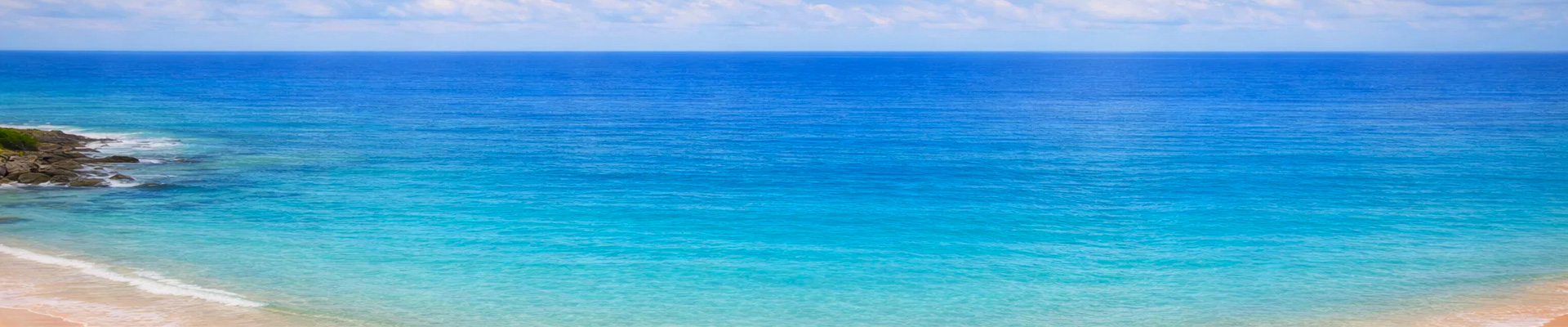
Margarita Island, Venezuela | Cruise Port Guide
Frequently Asked Questions
At El Guamache on the island's south-west coast, a dedicated port where palm-roofed kiosks sell hammocks, jewellery and crafts, beside a small clean beach reserved for passengers. It is a convenient starting point rather than a destination in itself.
By taxi or tour coach. From there, itineraries fan out to Porlamar, the main town about thirty kilometres away, or straight to the north-east beaches. Nothing of interest is within walking distance of the port.
The pearl oyster beds gave it both its name and its first fortune, drawing Spanish conquistadors from the sixteenth century. Five centuries on, its dozens of beaches define its appeal, between dry hills and mangrove lagoons.
Playa El Agua unrolls 4 kilometres of golden sand lined with restaurants under the palms, the busiest of them. Its neighbour Playa Parguito takes enough swell for surfers. Families often prefer the sheltered coves of the north coast, where the sea stays flat all day.
At Playa El Yaque in the south, one of the continent's most highly rated stretches of water for windsurfing and kitesurfing, thanks to steady wind and waist-deep water for hundreds of metres.
Porlamar concentrates the shopping bustle around its Plaza Bolívar, with the Francisco Narváez contemporary art museum devoted to the island's own artist. Up in the hills, La Asunción, the discreet capital, keeps a sixteenth-century cathedral among Venezuela's oldest and, on its hilltop, Santa Rosa castle.
A protected lagoon on the west of the island, where mangroves form green tunnels navigated by boat. It is the natural counterpoint to the beaches, and the outing to favour for anyone who prefers shade to a deckchair.
Choose one: a north-east beach, or La Restinga, or the pairing of Porlamar and La Asunción. Distances from El Guamache make it impossible to combine two of these without spending the day in a vehicle.
Spanish and the bolívar, Venezuela's currency; the US dollar also circulates widely. Bring cash in small denominations for the port kiosks, taxis and beach restaurants.
December to April, the southern Caribbean dry season. The water stays warm year-round; it is the calls themselves that have become rare, which makes each day ashore more valuable.


