Great Barrier Reef Queensland Australia
Australia
3
Cruises availables
At departure or passage at this port
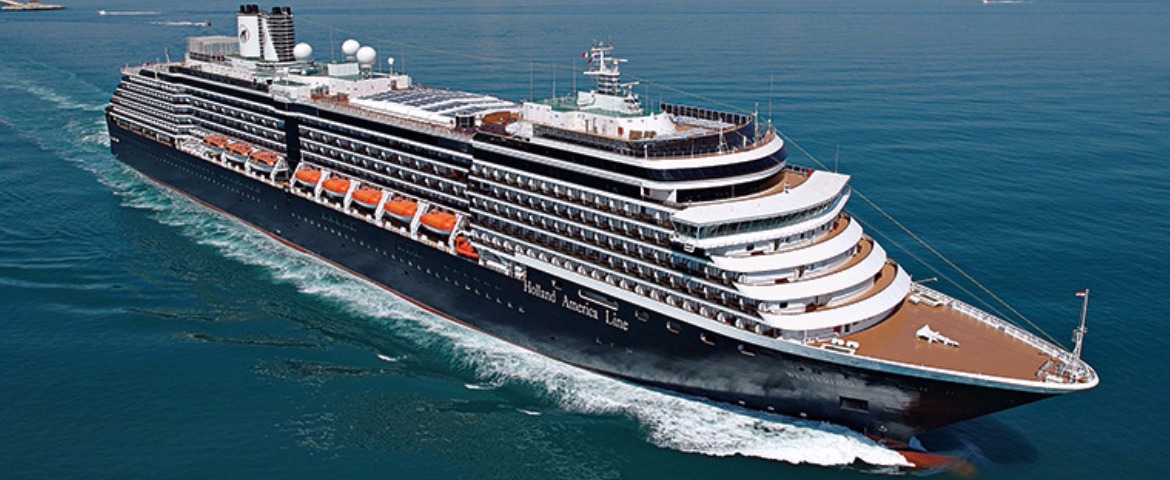
Holland America Line (3 Cruises)

Great Barrier Reef | Cruise Port Guide
Frequently Asked Questions
About 2,300 kilometres along the Queensland coast, made up of roughly 2,900 reefs and some 900 islands. It is the largest structure built by living organisms on the planet.
Through a marked inner channel, under the guidance of specialist pilots. UNESCO World Heritage listed since 1981, the reef is managed as a marine park with set shipping routes, protected zones and controlled anchorages.
Cairns and its outer anchorage at Yorkeys Knob, Airlie Beach opposite the Whitsundays, and Port Douglas further north. Between calls, scenic cruising days let the reefs slide past on both sides of the ship.
A fast catamaran takes you to a platform moored on the outer reef, about an hour and a half from the coast. Once there, you build your own day: snorkelling over the coral gardens, an underwater observatory, a semi-submersible to stay dry, or a supervised introductory scuba dive.
No. Instructors watch over hesitant swimmers with vests and pool noodles, and the semi-submersible and underwater observatory let you see everything without getting wet. The experience stays open to all ages.
Plate corals, parrotfish, giant clams with fluorescent mantles and passing turtles. The sheer density of life is hard to picture until you have floated over it, mask on.
A dazzling silica sandbank in the Whitsundays, regularly named among the world's finest beaches. Depending on the itinerary, excursions also target low-lying coral cays, closer to the coral, or the larger islands, which add trails and lookouts.
Yes, the reef is under pressure, tested by bleaching events linked to warming waters. Operators take part in monitoring programmes and marine biologists sailing on several ships explain plainly what is at stake.
Choose an eco-certified operator, follow the finning guidance and touch nothing. On protected cays where thousands of seabirds nest, watching is done from the water, without landing.
May to October, in the dry season: calmer seas, better underwater visibility and no coastal stingers. The wet season brings rain, rough water and cyclone risk.


