Andros Island Bahamas

16 Cruises availables At departure or passage at this port

Port of Andros Island, Bahamas | Cruise Port Guide

On nautical charts, a patch of almost black blue lines the east coast of Andros: the Tongue of the Ocean, a trench that plunges more than 1,800 metres just a short distance from the reef. That contrast is what catches the eye from the deck — the ink-dark water against the pale green shallows — and it sums up the largest island in the Bahamas: a barely inhabited stretch of land perched on the edge of an abyss, visited only by a handful of smaller ships.

An Off-the-Radar Port of Call

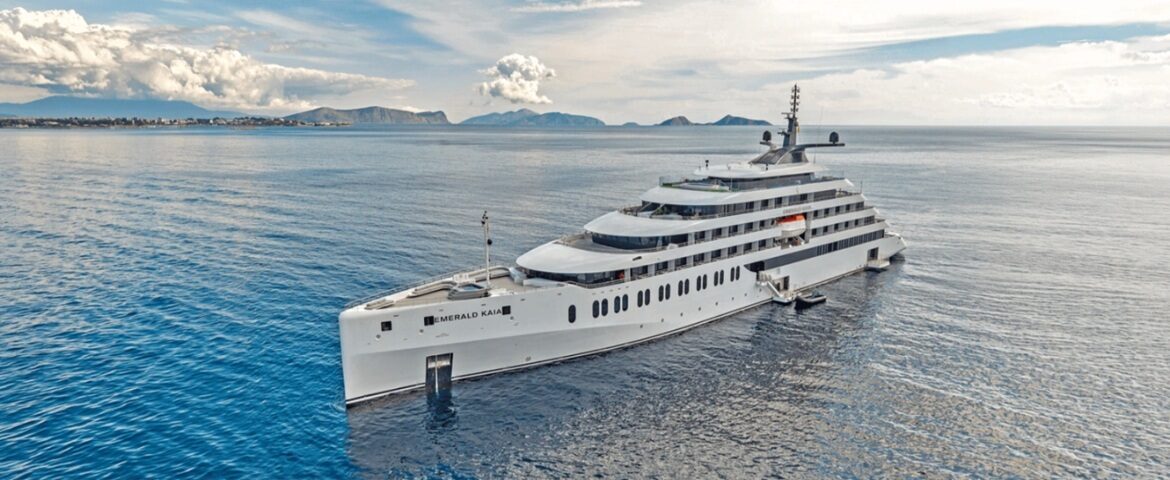
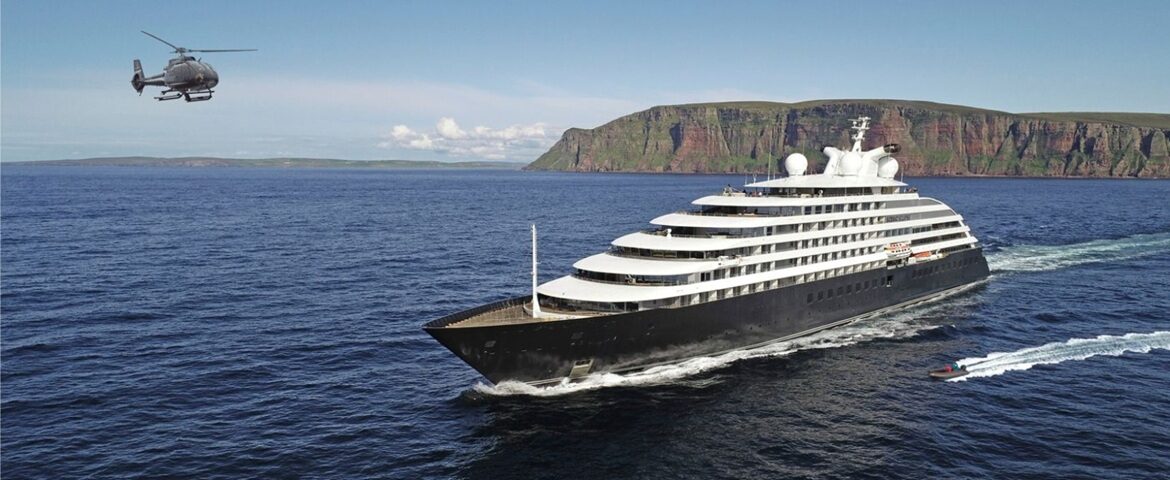
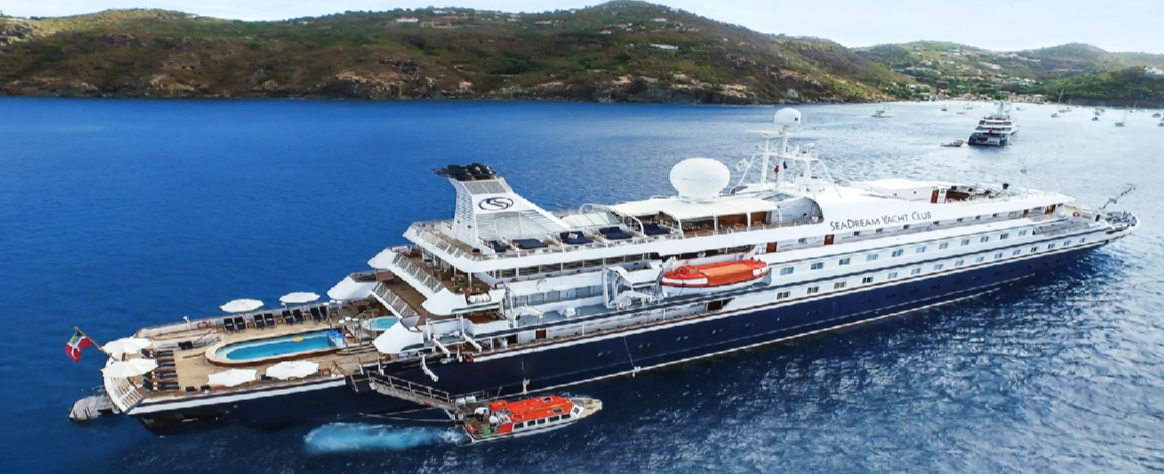
Andros has no cruise terminal. Ships — often expedition vessels or small cruise lines — anchor offshore and bring passengers ashore by tender, usually near Fresh Creek, the main settlement in the centre of the island. There, visitors find a marina, a few shops, family-run restaurants and that unhurried Out Islands pace where nothing is ever rushed. Tourism here is measured in handfuls of travellers, not crowds.

The World's Third-Largest Barrier Reef

Off the eastern coast stretches more than 200 kilometres of the third-largest barrier reef on the planet, after those of Australia and Belize. On the lagoon side, coral gardens welcome snorkellers of every skill level; on the open-ocean side, a dramatic drop-off leads down to the Tongue of the Ocean, a favourite spot for experienced divers. Local operators run short outings timed to fit a port call, and the water here remains as clear as almost anywhere left in the Caribbean.

Blue Holes: The Island's Mystery

Andros holds the record for the highest concentration of blue holes anywhere: more than 175 circular sinkholes, both inland and offshore, the remains of caverns that collapsed during past ice ages. The Blue Holes National Park, a few kilometres from Fresh Creek, makes several easy to reach, including Captain Bill's Blue Hole, ringed by an interpretive trail where the Audubon Society has marked out spots for birdwatching. Fresh water sits in distinct layers above the salt water below, and local folklore populates these depths with the lusca, a creature said to be half octopus, half shark, that no one has ever seen but everyone knows about.

Androsia: The Fabric of a Nation

Since 1972, Fresh Creek has been home to the Androsia batik works, where local artisans hand-dye the batik fabric that has become a signature of Bahamian style. Fish, seashells and hibiscus flowers stand out in wax-resist patterns on brilliant cotton, left to dry in the sun among the palm trees. The tour walks visitors through every step of the process, and the shop next door makes it easy to leave with a one-of-a-kind piece — a longer-lasting souvenir than a fridge magnet, and made just a hundred metres from the dock.

The Island of Legendary Anglers

The vast flats along the west coast have earned Andros its unofficial title as the bonefishing capital of the world, home to that nervy, silver fish stalked by sight, fly rod in hand, in knee-deep water. Local guides, several from families who have passed down the craft for generations, offer outings of a few hours. Even without casting a line, following a guide into the mangrove-lined creeks reveals a side of the archipelago that the larger ports of call never show: herons, turtles and spotted eagle rays going about their business, undisturbed by visitors.

Good to Know Before Going Ashore

  • Facilities remain basic: bring cash, water and sun protection.
  • Book excursions early, as local operators are limited in number.
  • A hat and closed-toe shoes come in handy on the national park's trails.

As the tender heads back to the ship, the island quickly disappears behind its curtain of pines and mangroves, as if retreating back into its secrets — its sinkholes, its silver fish, its reef on the edge of the abyss. Andros isn't so much visited as glimpsed. And that's exactly what makes travellers want to come back, with more time and a snorkel mask.

Frequently Asked Questions

Nowhere: Andros has no cruise terminal at all. Ships, usually expedition vessels or small lines, anchor offshore and land passengers by tender, generally near Fresh Creek.
It is the largest island in the archipelago, and one of the least visited. Its east coast borders the Tongue of the Ocean, a trench dropping past 1,800 metres within sight of the reef: the inky water against the pale green shallows is striking from the deck.
Three options depending on taste: snorkelling on the reef, the Blue Holes National Park a few kilometres from Fresh Creek, or a visit to the Androsia workshop. Book early: local capacity comes down to a handful of operators.
The third-largest barrier reef on the planet, after Australia's and Belize's: more than 200 kilometres off the east coast. On the lagoon side, coral gardens suited to swimmers of all levels; on the ocean side, the drop-off toward the Tongue of the Ocean, for experienced divers only.
A circular sinkhole, the remnant of caverns that collapsed during the ice ages. Andros holds a record concentration of them, more than 175, both offshore and inland. Blue Holes National Park makes several easy to reach, including Captain Bill's, ringed by an interpretive trail.
The hand-dyed batik that became the Bahamas' signature fabric, made since 1972 in a Fresh Creek workshop. Fish, shells and hibiscus stand out in wax resist on brilliant cottons. The visit shows every step of the process and the adjoining shop sells one-of-a-kind pieces.
The Bahamian dollar, at par with the US dollar, which is accepted everywhere. Facilities remain basic: bring cash, as card terminals are scarce.
English, the official language of the Bahamas. No French-language service is available locally.
For the vast flats along its western side, which earn it the unofficial title of bonefishing capital of the world. Local guides, several of whose families have passed the trade down for generations, run outings of a few hours.
With reservations. There is no developed beach and no organised children's activity: the appeal is entirely natural. A hat, water and closed shoes help on the national park trails.