Liege Belgium, Luttich
24
Cruises availables
At departure or passage at this port
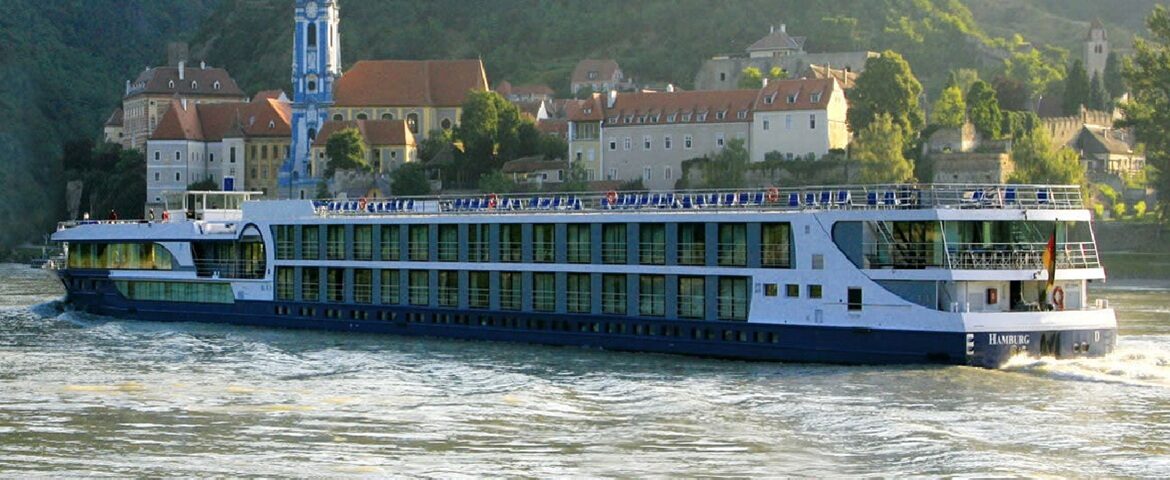
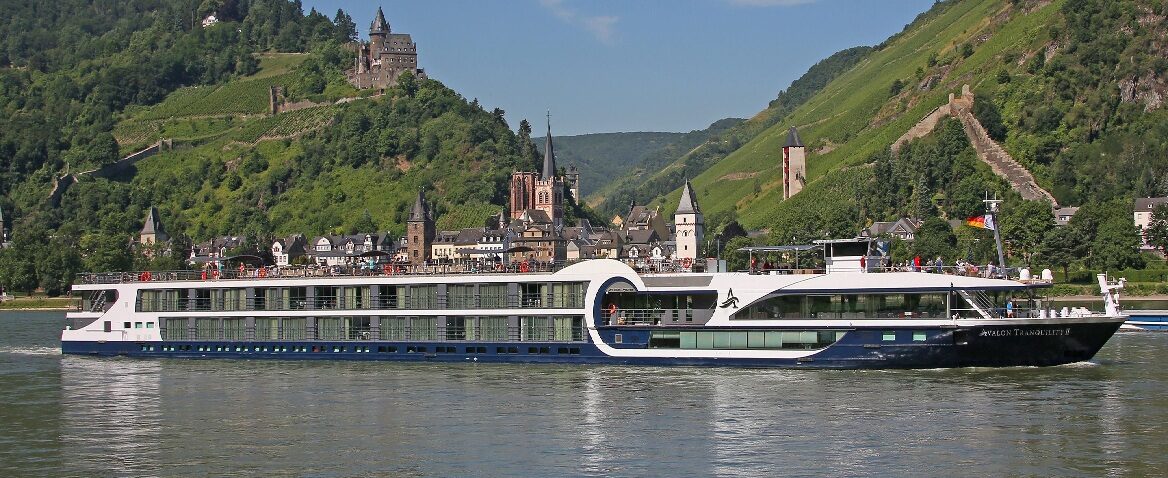
Avalon Waterways (12 Cruises)
Avalon Imagery II®
8 Cruises

Emerald Waterways (12 Cruises)
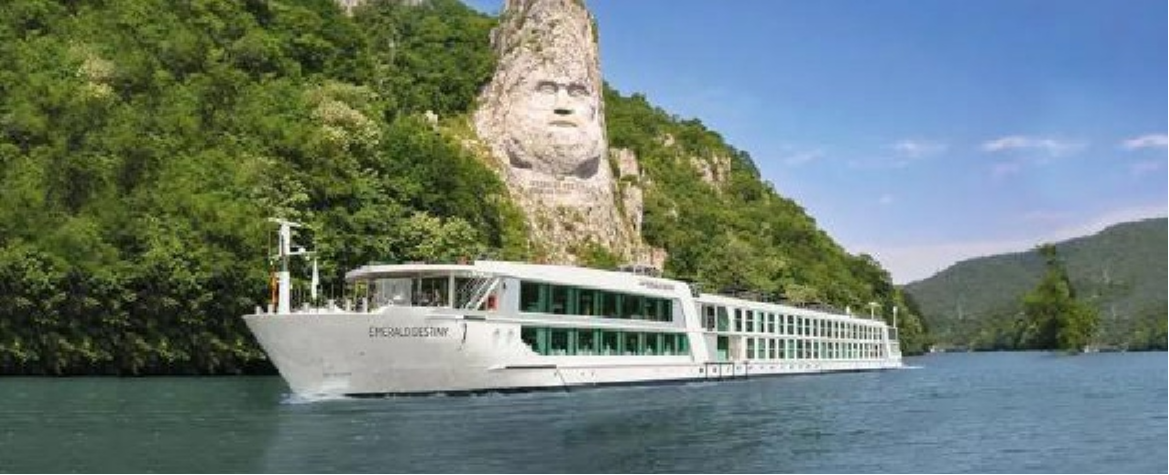
Emerald Destiny
8 Cruises

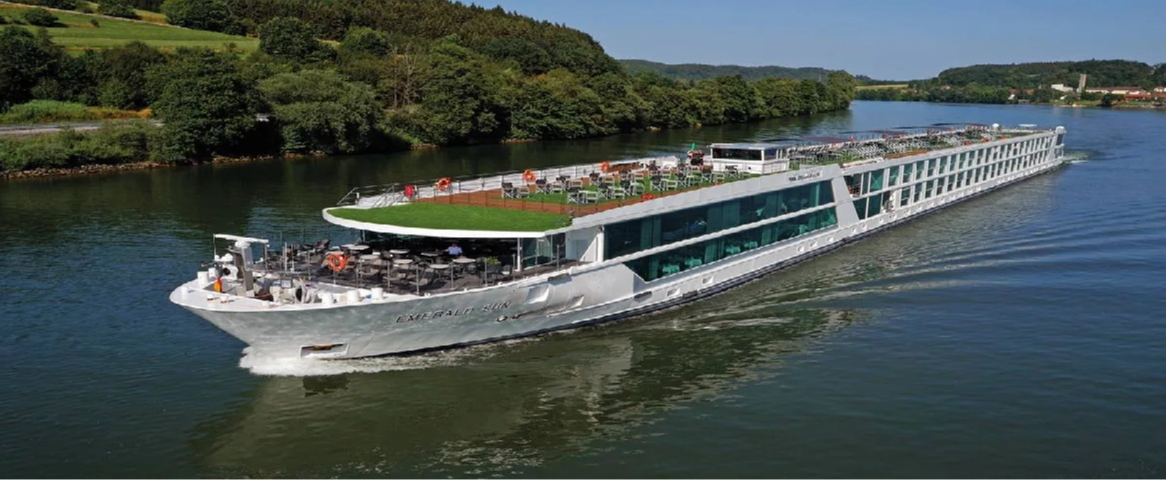
Emerald Sun
4 Cruises
Port of Liège, Belgium | Cruise Port Guide
Frequently Asked Questions
Along the Meuse quays, within walking distance or a short shuttle of the historic centre. River vessels tie up along the water, with no dedicated terminal.
Largely yes, but the city is conquered vertically: Saint-Lambert square and the Grand Curtius are walkable along the quays, while the citadel means climbing. A seasonal river shuttle links five stops from April to October.
The Prince-Bishops' Palace and Saint-Lambert square, the Grand Curtius for Mosan art, then a break in Le Carré. If the call falls on a Sunday morning, the Batte market comes before everything else.
The oldest and largest market in Belgium, along the river, Sunday mornings only. Stalls as far as you can see, smells of roast chicken and cheese, Walloon accents flying over the crates.
A monumental staircase of 374 steps climbing straight to the old citadel between brick houses and small gardens. The climb is demanding, but each landing widens the view over slate roofs, the river bend and the Ardennes beyond.
Yes. The neighbouring hillsides offer switchback paths through orchards and urban vineyards, for a comparable panorama without the staircase.
Collections of arms, glass, archaeology and Mosan art, in a 17th-century red brick palace on the quays. The Romanesque metalwork of the Meuse valley ranks among the peaks of European medieval art.
The Liège waffle, dense and studded with pearl sugar, eaten hot in the hand. Then boulet-frites, a meatball in sweet-and-sour pear sauce, and peket, the local juniper spirit served plain or flavoured.
The euro, and French: Liège is Wallonia's major city. The welcome is direct and warm, without ceremony, and French speakers feel at home immediately.
Yes, even with no train to catch. This vessel of glass and white concrete by Santiago Calatrava unfolds a 200-metre undulating vault that redefined the southern gateway to the city.


