Dalian China

39 Cruises availables At departure or passage at this port

Azamara Club Cruises (39 Cruises)

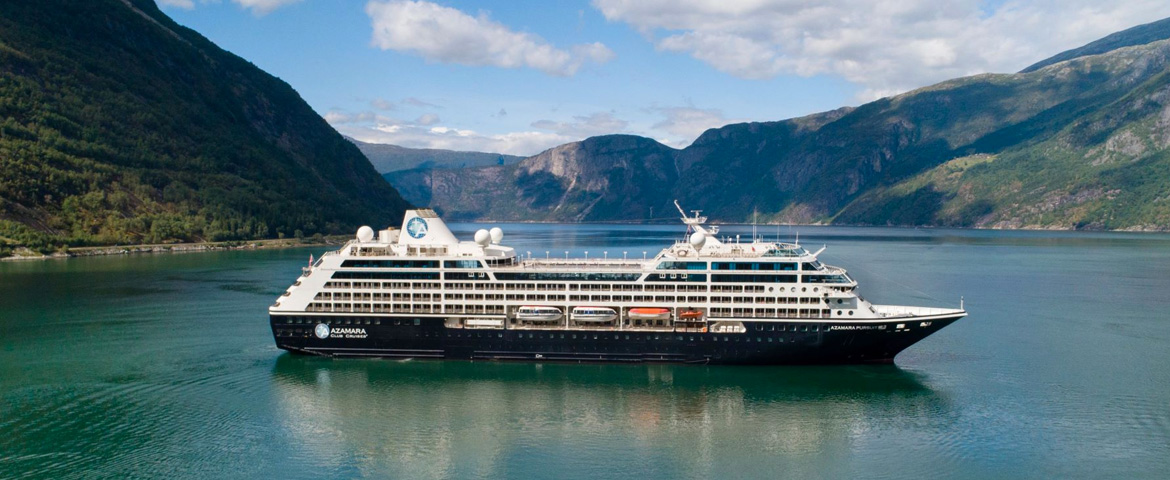
Azamara Pursuit

1112 Passengers
30277 tons
Visit the ship's page

Few Chinese cities resemble Dalian. Built on the hills of a Liaoning Peninsula facing the Yellow Sea, it owes its character to Russians who founded it in the late nineteenth century, to Japanese who developed it thereafter, then to modern China which made it one of its great ice-free ports. The result startles on arrival: circular squares in European fashion, hundred-year-old façades, old trams, and a contemporary skyline set between beaches and green spaces. The international cruise terminal, located in the Eastern Harbour district, places all this minutes from the ship.

From Quay to Historic Centre

A shuttle normally connects the terminal to Zhongshan Square, the historic heart of downtown, and the new Metro Line 2 serves the quay sector as well as downtown stations. The place alone rewards the trip: perfectly circular, it radiates in ten avenues and is surrounded by a ring of buildings from the Russian and Japanese era—former banks, hotels and offices with careful colonnading. Evening brings locals to dance in the open air, under lit façades; by day, you walk its perimeter lifting your eyes to cornices, domes and clocks of each structure, witnesses to a turbulent century.

Russian Street and the Trams

North of centre, Russian Street lines the restored homes of the first colonial quarter, now occupied by souvenir shops, cafés and restaurants. The whole has a theatrical air, but original buildings sit alongside reconstructions, and the stroll gives an idea of Dalian in 1900, when the city was called Dalny and served as a railway outlet for imperial Russia. To reach other quarters, the historic trams still running on certain lines offer a means of transport both practical and full of character, rare in Chinese cities.

Xinghai, Spectacle at Water's Edge

Facing the sea, Xinghai Esplanade—the "star sea"—presents itself as the world's widest urban square. Lawns, sculptures and cycling paths descend to a waterfront promenade where families fly kites over the bay. The contrast with the historic roundabout's intimacy sums up the place's character: one foot in colonial history, the other in contemporary China's gigantism. Seafood lovers will find in neighbouring restaurants the local specialty par excellence, served by weight and of impeccable freshness.

A City Turned to the Sea

Between two squares, Dalian cultivates a seaside way of life unusual at these latitudes: the peninsula's jagged coast alternates coves, beaches and panoramic trails, and inhabitants take to the shore as soon as fair weather arrives. This maritime gentleness, added to parks and tree-lined avenues, earns the city a quality-of-life reputation that northern Chinese envy.

Navigating Easily

ElementDetails
MooringInternational cruise terminal, Eastern Harbour district
To CentreShuttle to Zhongshan Square; Metro Line 2 near quay
On FootZhongshan roundabout, Russian Street, waterfront
Further AfieldXinghai Esplanade and its waterfront promenade
SpecialtyYellow Sea seafood

Back to the Ship

Returning to the ship, you often pass the roundabout as dancers set up their speakers under street lamps. Dalian leaves the singular impression of a Chinese city that grew between several worlds without renouncing any. For many cruise passengers, it ranks the surprise of a voyage in Northeast Asia—the one you knew nothing of and speak of most afterwards.

Frequently Asked Questions

At the international cruise terminal in the East Port district. A shuttle usually links the terminal to Zhongshan Square, the historic heart of downtown, and metro line 2 serves the quay area.
Because Russians founded it in the late nineteenth century and the Japanese developed it afterward. What remains are European-style circular squares, century-old facades and old trams, beneath a contemporary skyline set among beaches and parkland.
A perfectly circular square radiating into ten avenues, ringed by Russian and Japanese-era buildings: former banks, hotels and government offices with carefully worked colonnades. In the evening residents gather to dance outdoors beneath the lit facades.
Zhongshan Square, Russian Street and the waterfront are walkable from the shuttle stop. Add Xinghai Square if time allows: it is further out but completes the contrast between historic Dalian and contemporary China.
The first colonial quarter, north of the centre, where restored houses now hold souvenir shops, cafes and restaurants. It has a stage-set quality and mixes originals with reconstructions, but it conveys the Dalian of 1900, when the city was called Dalny.
The sea of stars: it bills itself as the largest urban square in the world. Lawns, sculptures and cycle paths run down to a coastal promenade where families fly kites facing the bay.
Yes, historic trams still run on some lines. They are both a practical way to get between districts and full of character, a rarity in Chinese cities today.
Yellow Sea seafood, the local speciality above all, sold by weight and impeccably fresh. Restaurants near Xinghai Square make it their staple, and choosing from the tanks is part of the meal.
Maritime and tempered by the Yellow Sea, which gives Dalian a quality-of-life reputation that northern Chinese envy. It is also one of China's major ice-free ports, which explains its historic role.
For many cruise passengers it is the surprise of the trip: the one they knew nothing about and talk about most afterward. A Chinese city that grew up between several worlds without disowning any of them.