Xiamen China
3
Cruises availables
At departure or passage at this port
Crystal Cruises (3 Cruises)
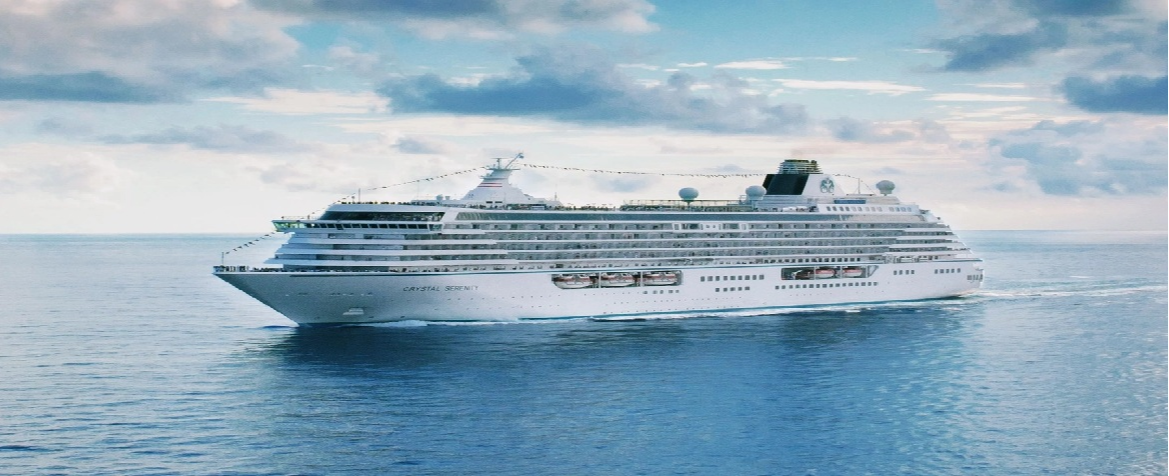

Port of Xiamen | Cruise Port Guide
Frequently Asked Questions
At the Dongdu terminal, about three kilometres from the centre. The ferry piers are in the same area, so the day almost organises itself.
By ferry from the piers next to the terminal: eight minutes is all it takes. It is the obvious outing of the call, and it works perfectly well independently.
A car-free island, a former international settlement listed as UNESCO World Heritage, which has kept its consulates, churches and merchant villas. You move around on foot only, through lanes where bougainvillea spills over granite walls.
Because it gave China many of its pianists. Shuzhuang Garden, terraced down to the water, holds a well-known piano museum, and an organ museum occupies a red-domed villa visible from afar.
As early as possible. The first hours give you the quietest lanes, before the day-trippers arrive. Sunlight Rock, the islet's highest point, can then be climbed without queueing.
The whole harbour: red tiled roofs below, the towers of Xiamen opposite and the strait's islands on the horizon. The climb uses steps cut between the granite blocks.
Xiamen's central pedestrian street, lined with qilou buildings, the arcaded façades inherited from overseas merchants that let you shop sheltered from sun and downpours alike. Look above the shop signs: the pastel upper floors are carved with balusters and cornices.
Oolong from the nearby mountains, served with precise gestures in tea houses, bowls of noodles in roasted peanut paste, oyster fritters and the sweet peanut soup served as dessert. Longtou Street on Gulangyu is lined with snack counters.
A sanctuary south of the city, set against a granite hill, where monks, students and pilgrims cross paths in the smell of incense. A path climbs between inscribed rocks to an open sea view, and the leafy campus of Xiamen University adjoins it.
October to December, when the subtropical mildness turns dry and comfortable. Summer is hot and humid with a typhoon risk; spring brings fine rain and mist over the strait.


