Cayo Largo del Sur Cuba
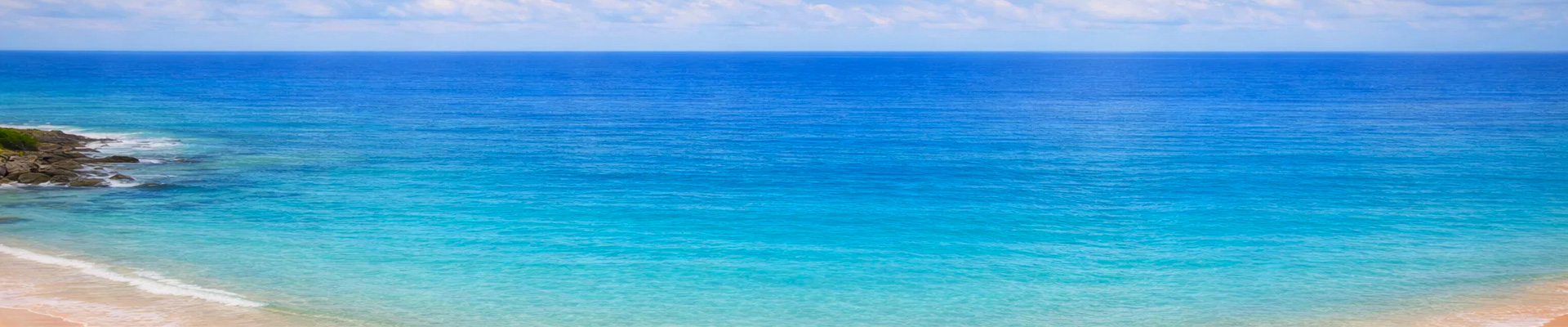
There's this colour first, a gradient of turquoise and jade surrounding the ship well before land comes into focus. Then a strip of white sand, flat, fringed with palm trees: Cayo Largo del Sur, a 25-kilometre coral islet at the eastern edge of the Canarreos archipelago, south of Cuba. There's no town here, no traffic light; only a few hotels, a marina, and beaches ranked among the finest in the Caribbean.

An Islet Devoted to the Sea

Passengers land by shuttle near the small settlement gathering Marina Marlin, a seafood ranchón, and a handful of shops. It's from this marina that all the water outings depart: catamarans, deep-sea fishing boats, scuba diving, and shuttles to the western beaches. The islet has no permanent population in the usual sense; those who work here come from the main island on rotation. This absence of urban life gives the place its whole character: nature takes the leading role here, undisputed.

Playa Sirena, the Immense

The most famous beach stretches westward for about two kilometres. Its chalk-white sand, wide enough to fit several soccer pitches, stays surprisingly cool underfoot even at high noon, a quirk of its coral composition. There are lounge chairs, palapas, two bars, and a restaurant, along with a stand for non-motorized water sports. The water, shallow for dozens of metres, takes on milky hues at daybreak and lends itself to hours of leisurely swimming.

Playa Paraíso and the Passing Hours

Its immediate neighbour, Playa Paraíso, plays a more intimate card: a sheltered cove, a few palm-thatched umbrellas, a beach bar for sipping a chilled lemonade while watching frigatebirds glide by. The two beaches connect on foot along the shore, and the walk itself, ankles in the warm water, ranks among this stop's simple pleasures. Shell collectors will scan the tideline; everyone else will close their eyes to the sound of the surf.

The Turtles, Guardians of the Islet

Near the settlement, the Granja de las Tortugas watches over the sea turtles that come to nest on the beaches to the north. This conservation centre, one of the few in the country, collects eggs threatened by the tides and releases hatchlings into the sea. The visit is brief, a few tanks and explanations given with real passion, but it's a reminder that this remote sandbar plays a serious role in the survival of a fragile species. Children leave utterly won over.

Beneath the Surface

The reef ringing the islet draws divers and snorkellers alike: sea fans, parrotfish, rays, and turtles move through water whose clarity often exceeds thirty metres. Catamaran excursions generally combine a stop on a shallow reef, a visit to a nearby cayo populated with iguanas, and a grilled lobster dinner served aboard or on the beach. Those who prefer to stay on land can opt for quiet observation, binoculars in hand: pelicans, terns, and hermit crabs provide the local entertainment.

Leaving with Salty Feet

There's no monument to photograph here, no lane to explore: this stop is measured in hours of sea, sand, and silence. As the shuttle heads back to the ship in the fading light, passengers bring back little: a shell, a sunburn, the memory of impossibly clear water. It's precisely this simplicity that makes Cayo Largo a stop apart in a Cuban cruise, a breathing space between two cities steeped in history. Just bring a hat, sunscreen, and a little cash for the beach bars: the islet has neither an ATM nor a backup shop.

Frequently Asked Questions

Passengers come ashore by tender near the small village that holds the Marina Marlin, a seafood ranchón and a handful of shops. All water excursions leave from that marina.
A 25-kilometre coral islet at the eastern end of the Canarreos archipelago, south of Cuba. No town, no traffic lights: a few hotels, a marina and some of the most celebrated beaches in the Caribbean.
The beach, essentially. Playa Sirena for space, Playa Paraíso for intimacy, the Granja de las Tortugas for a short visit, and a catamaran trip if the call allows. There is no monument to photograph and no lane to explore.
The islet's most famous beach, about two kilometres facing west. Its chalk-white sand stays surprisingly cool underfoot even at midday, a quirk of its coral composition. Loungers, palapas, two bars, a restaurant and a non-motorized watersports counter.
Sirena offers space, Paraíso intimacy: a sheltered cove, a few palm parasols, a beach bar. The two connect on foot along the shore, and the walk with your ankles in warm water is part of the pleasure.
A sea turtle conservation centre near the village, one of few in the country. It gathers eggs threatened by tides and releases hatchlings to the sea. The visit is short, a few tanks and passionate explanations; children come away won over.
Yes. The reef ringing the islet holds sea fans, parrotfish, rays and turtles, in water whose visibility often exceeds thirty metres. Catamaran trips usually combine a shallow reef stop, a cay full of iguanas and a grilled lobster meal.
The Cuban peso, and above all cash. The islet has no ATM and no backup shop: bring money in small notes for the beach bars. Cards issued by US banks do not work in Cuba.
Hat, sunscreen, swimsuit and some cash. That is all, and that is the point: the call is measured in hours of sea, sand and silence. The sun is direct and natural shade is scarce.
Not in the usual sense. Those who work there come from the main island on rotation. That absence of urban life defines the place: nature takes the lead role, unchallenged.