Cayo Rico Cuba
Port of Cayo Rico, Cuba | Cruise Port Guide
Frequently Asked Questions
By sea, and only by sea: there is no pier. Visitors arrive by catamaran or trimaran from the Marina Marlin at Cayo Largo, or by tender from a ship anchored offshore.
An uninhabited islet in the Canarreos archipelago, next to Cayo Largo del Sur, which appears on almost no tourist map. A pale beach, coconut palms, a rustic bar and a colony of iguanas: the inventory is quickly done.
Swim, snorkel, wade in the lagoon and eat under a palm roof. The crossing itself is part of the programme, usually with a half-hour stop over a coral reef, mask and fins provided.
No, they are protected and entirely harmless. They patrol between the towels with the composure of creatures that have never known a predator, and tolerate photographers provided you respect their space. Feeding them is out of the question.
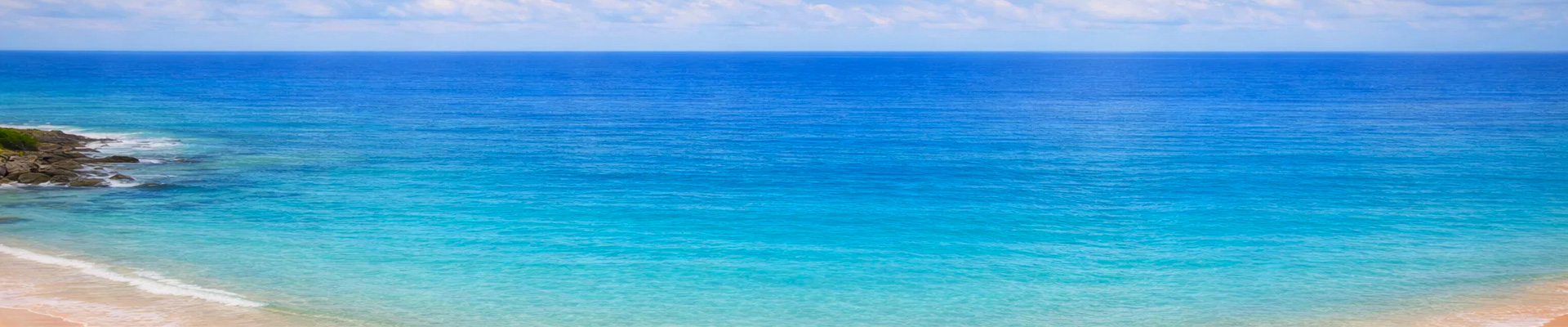
Shallow over a long distance, shifting between pale green and electric blue depending on the hour. You can wade a long way without losing your footing, float, and watch for rays gliding over the sandy bottom.
A seafood meal served with your feet in the sand, grilled lobster foremost, under a palm roof. Rum comes with it — in moderation if you plan to swim again.
No. No card is accepted for kilometres around: bring cash in small notes for the bar. There is no phone signal, no ATM and no shop.
Sandals for the shelly seabed, a light sweater against the wind on the boat back, sunscreen and cash. Shade is limited to what the coconut palms provide.
More than 300 islets and shoals off Cuba's south coast, from the Isle of Youth to the eastern limits. Almost all of it remains free of any building, a refuge for seabirds, turtles and iguanas.
Anyone happy with a day without monuments, shops or signal. A few hours are enough to walk the whole islet, and that is exactly the amount of time you want to give it, watch tucked away in your bag.


