Maria la Gorda Pinar del Rio, Cuba
Port of María la Gorda, Cuba | Cruise Port Guide
Frequently Asked Questions
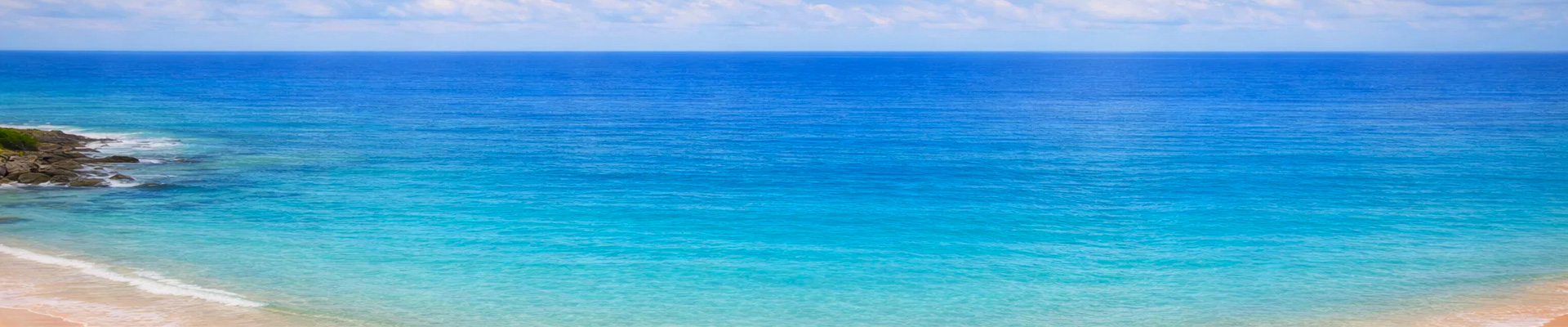
At anchor in the Bay of Corrientes, on the Guanahacabibes peninsula. There is no pier and no town: only small ships and yachts call here, larger vessels pass offshore.
At the very end of Cuba, about 300 kilometres southwest of Havana, where the island tapers into a peninsula of forest and sand. No main road, no village: the western tip belongs to nature.
Dive or snorkel, walk a national park interpretive trail with a ranger naturalist, and let the day pass on the beach. There is no museum and no monument, and the place makes no apology for it.
For its drop-off, which plunges just a few hundred metres from shore: some forty sites, giant sea fans, barrel sponges, caves and chimneys, schools of jacks and resident turtles. The seabed holds one of the region's most important black coral formations and visibility regularly exceeds thirty metres.
No. Snorkelling from the beach is enough for beginners, the reef being very close in. The dive centre next to the hotel runs daily outings for certified divers.
About 500 square kilometres of dry forest, mangrove and lagoon, designated a UNESCO biosphere reserve in 1987 and a national park in 2001. More than 170 bird species live there, along with iguanas, hutias and colonies of red crabs that cross the tracks in their thousands each spring.
From a legend. A shipwrecked Venezuelan woman named María, of generous build, is said to have kept an inn here for passing sailors. All that remains of her is a place name and an anchorage.
Yes, and it is a privilege: the sun sets over the sea here, something Cuba's north coast cannot offer. Mornings belong to divers, afternoons to naps under the palms, dusk to everyone.
The Cuban peso and Spanish. There is no ATM and no shop: bring cash in small notes. Cards issued by US banks do not work in Cuba.
On some calls, yes. It is Cuba's furthest point, where a 19th-century lighthouse watches the Yucatán Channel. The track crosses the park in complete solitude, interrupted only by crabs and iguanas. Barely 200 kilometres separate this shore from Mexico.


