Puerto Bolivar-Machala Ecuador
Ecuador
9
Cruises availables
At departure or passage at this port
Seabourn Cruise Line (9 Cruises)
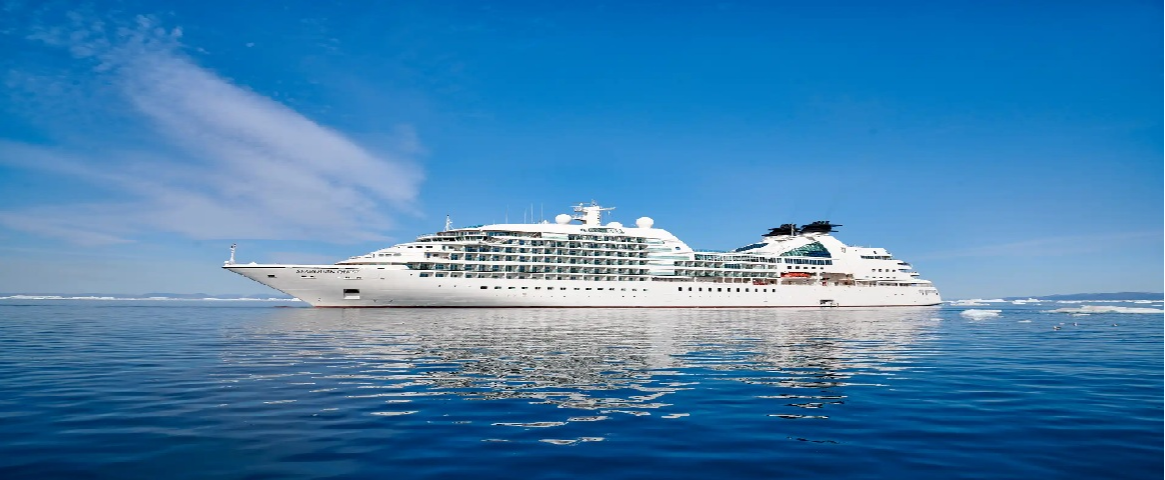
Seabourn Quest
9 Cruises

Puerto Bolívar–Machala, Ecuador | Cruise Port Guide
Frequently Asked Questions
At the deepwater port of Puerto Bolívar, the maritime front of Machala in southern Ecuador. It is a working port: cargo ships load bananas alongside while passengers come ashore.
Yes, the riverside promenade is right by the docks. Downtown Machala, though, is about eight kilometres away, roughly fifteen minutes by taxi.
Shrimp ceviche, fried fish and patacones, those smashed and golden plantains, served from morning on in the plain restaurants along the malecón. Sitting down facing the channel, among local families and dockworkers on break, is an experience in itself.
An island reached in about thirty minutes of navigation through mangrove-lined channels. A long strip of grey sand facing the Pacific, thatched shelters, hammocks and fresh coconuts, used mainly by Machala families on weekends.
It is worth as much as the destination. Herons, frigatebirds and ibises nest in the mangroves, and fishermen pull their nets in the calm side channels. Jambelí's beach scene itself stays unpretentious.
Yes, several excursions run to a nearby plantation. You follow the fruit from the hand-cut bunch to packing, by way of the overhead cables that carry the stems through the orchards. Machala calls itself the banana capital of the world.
The modern cathedral facing its central park, markets overflowing with tropical fruit, and the commercial bustle of a provincial city that does perfectly well without tourists. There is no polished circuit here, and that is the point.
Yes, at the Buenaventura reserve in the nearby Andean foothills, home to dozens of hummingbird species. But it takes a long call and a vehicle with a driver: this is not a half-day outing.
The US dollar is Ecuador's official currency, so no conversion for North American travellers. Agree on the price of taxis and pangas before setting off; local rides remain very affordable.
May to December, drier and breezier. From January to April the coastal climate is hot and humid in the rainy season. A hat, sunscreen and insect repellent are useful year round, especially on the mangrove side.


