Levuka Ovalau Island Fiji
Fiji
9
Cruises availables
At departure or passage at this port
Ponant (1 Cruises)



Port of Levuka, Fiji | Cruise Port Guide
Frequently Asked Questions
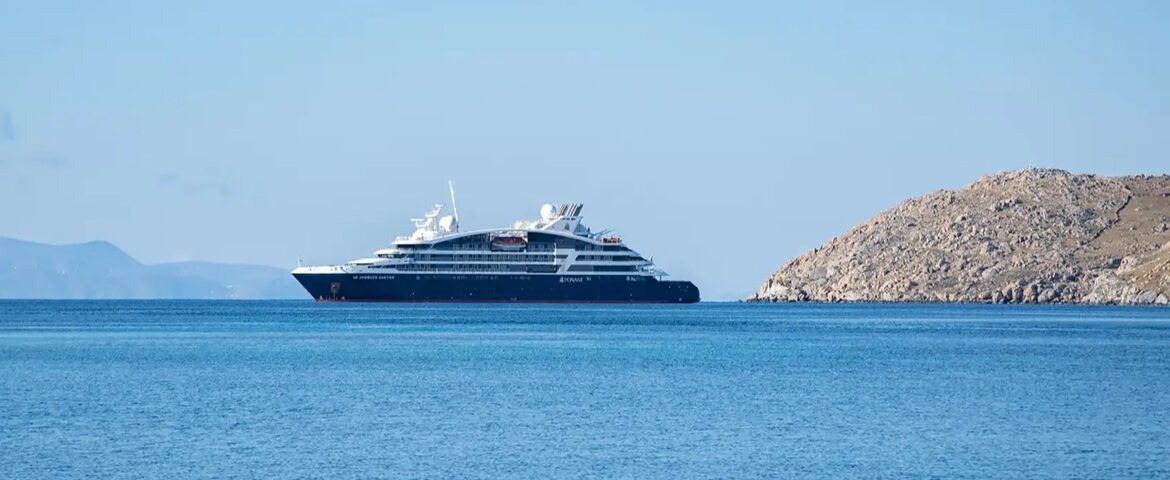
By tender. Levuka has no terminal and no taxi rank: ships stay at anchor in the passage and boats set passengers down near Beach Street, the waterfront road.
Because it is one of the best-preserved colonial towns in the Pacific. Its wooden façades and nineteenth-century verandas still line a single waterfront street on the east coast of Ovalau. It was the first Fijian site inscribed on the World Heritage list.
The road running along the shore between the mountains and the Pacific, where everything happens: general stores with hand-painted signs, covered galleries, wooden balconies, a bakery, a few fabric counters and grocery shops where time stretches out.
Because in the nineteenth century it was the great meeting place for sailors, whalers and traders of the region. It was here that Fijian chiefs ceded the archipelago to the British Crown on 10 October 1874.
For more land: as early as 1882 the administration left Levuka, hemmed in between mountain and sea. That abrupt departure froze the town in its era, and isolation did the rest.
Three institutions more than a century old. Sacred Heart church, raised by missionaries in the late 1850s, whose belfry long served as a light for navigators. The Royal Hotel, founded in the 1860s, reputed to be the oldest still operating in the South Pacific. And the Ovalau Club, Fiji's first private club.
Yes, under the ceiling fans, among yellowed photographs and rattan armchairs. It is one of the simple pleasures of the call, and a way into the town's history without buying a ticket.
Yes, behind the main street: stairways and paths climb to the neighbourhoods on the slope, the mission schools and views over the Koro Sea. The climb takes some breath in the heat, but you see the rusted tin roofs, the barrier reef and the outlines of the Lomaiviti islands.
Yes, the waters around Ovalau are little frequented and lend themselves to it, for anyone joining an organised trip. There is no dive shop on every corner: it is arranged through the ship.
For connoisseurs, and for anyone willing to go slowly. Visits are improvised on foot as encounters come, and a conversation started outside a shop often ends as a lesson in family history. Residents readily greet visitors who have become rare since the main shipping routes moved elsewhere.


