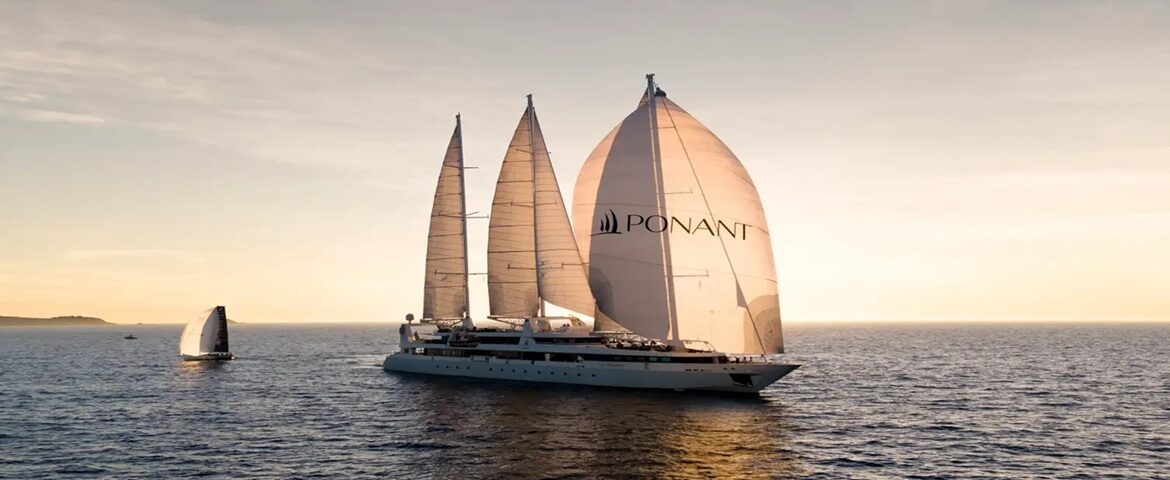
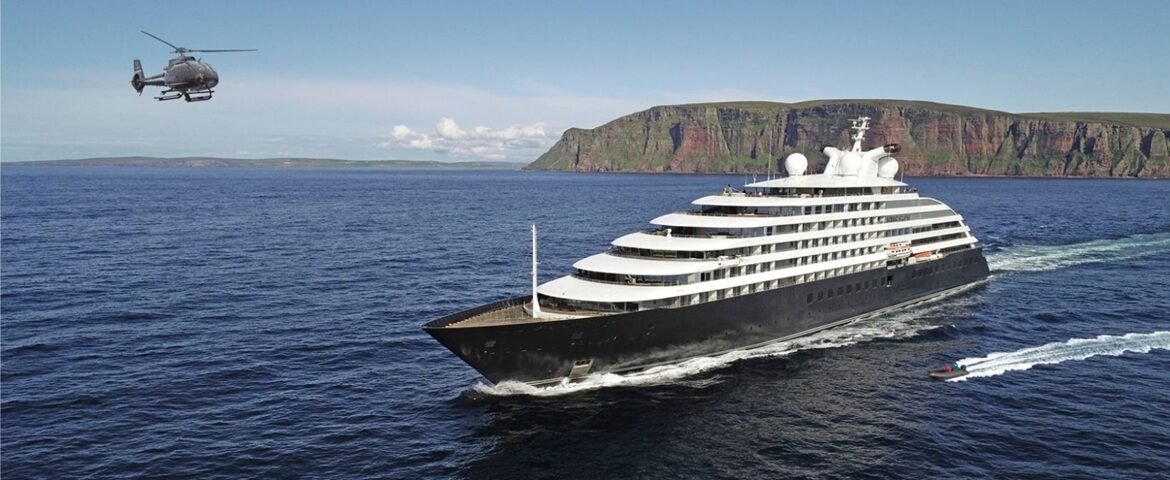
On one side of the harbour, racing yachts and some of the largest superyachts in the world; on the other, 17th-century ramparts dropping straight into clear water. Antibes has thrived on this contrast for a long time: a Greek town that became a royal stronghold, then a haven for artists, it brings together, in a single port call, the French Riviera of sailors, painters and market stalls all at once.

Arriving Through the Bay

Cruise ships — usually mid-sized or yacht-style vessels — anchor in the bay and bring passengers ashore by tender at the old harbour, Port Vauban, one of the largest marinas in the Mediterranean. From the landing point, the old town begins right behind the ramparts: a two-minute walk, no transport to arrange. Along the way, passengers pass the superyacht dock, nicknamed the "billionaires' quay," where the hulls sometimes rise higher than the church spires.

The Provençal Market on Cours Masséna

Under its cast-iron-pillared market hall, the Cours Masséna market fills the morning air with the scent of tapenade, goat cheese, cut flowers, local lemons and hot socca sliced to order. Locals do their shopping here before the café terraces fill up in early afternoon. Around the market hall, pedestrian lanes climb gently toward the cathedral's square tower. It's the perfect spot to put together a picnic before heading up to the ramparts walk.

Picasso at the Château Grimaldi

In 1946, Pablo Picasso set up his studio in the Château Grimaldi, a former residence of the local bishops and lords, perched at the top of the waterfront. Over a few months there, he painted a series of luminous works, including La Joie de vivre, which he later donated to the town. The Picasso Museum, now housed in the château, displays these paintings right where they were created, with the Mediterranean forming a real backdrop through the windows. The terrace, decorated with sculptures by Germaine Richier, looks directly out over the water.

The Promenade Amiral-de-Grasse

From the museum, the Promenade Amiral-de-Grasse runs south along the old walls. This walk offers one of the finest views in the region: the bay, the pine-covered Cap d'Antibes, and, on a clear day, the still-snow-capped peaks of the Alps behind Nice. A few pebble coves open up below for a quick swim. Discreet plaques along the way mark where Guy de Maupassant and later Nikos Kazantzakis once lived: this old town has always drawn writers as much as painters.

Fort Carré, a Star of Stone

On the other side of the harbour, a small peninsula holds Fort Carré, a 16th-century star-shaped bastion where a young Napoleon Bonaparte was briefly held in 1794. It's reached by a flat coastal path about twenty minutes from the landing point; the guided tour leads up to the ramparts walk, with a sweeping view over the harbour and the marina's masts. It's a detour many passengers skip — and shouldn't.

Antibes Port Call at a Glance

ItemDetail
Going ashoreBy tender at Port Vauban
Old town and market2- to 5-minute walk
Picasso Museum10-minute walk along the waterfront
Fort Carré20-minute walk along the coastal path
Juan-les-PinsAbout 2 km away; taxi or regional train

Leaving with the Light

The painter once said he'd rediscovered the joy of creating here; passengers, for their part, often leave with a jar of tapenade and the memory of a particular quality of light on the ramparts. Antibes doesn't try to dazzle; it simply lets the Mediterranean do the work, and that's more than enough to fill a day.

Frequently Asked Questions

By tender. Cruise ships, usually mid-size or yacht-class, anchor in the bay and land passengers at the old harbour, Port Vauban, one of the largest marinas in the Mediterranean.
Two minutes on foot. The old town starts immediately behind the ramparts, with no transport to arrange. On the way you pass the superyacht quay, nicknamed the billionaires' quay.
The Provençal market on Cours Masséna in the morning, the Picasso Museum in the Château Grimaldi ten minutes' walk away, then the Amiral-de-Grasse promenade along the walls. Add the Fort Carré if you are in port more than five hours.
The Château Grimaldi, where Pablo Picasso set up his studio in 1946 and painted, in a few months, a series of luminous works including La Joie de vivre, which he then gave to the town. The canvases hang where they were made, with the Mediterranean behind the windows.
Tapenades, goat cheeses, cut flowers, local lemons and hot socca sliced to order, under an iron-pillared market hall. Residents shop there in the morning, before the terraces take over in early afternoon.
Yes. Small pebble coves open below the Amiral-de-Grasse promenade along the walls. These are shingle coves, not long sandy beaches: bring water shoes.
A sixteenth-century star-shaped bastion on a peninsula across the harbour, where the young Bonaparte was briefly held in 1794. A flat coastal path gets you there in about twenty minutes from the tender pier, and the guided tour leads onto the ramparts.
The bay, the pine-covered Cap d'Antibes and, on a clear day, snow still on the Alps behind Nice. Discreet plaques recall that Guy de Maupassant and later Nikos Kazantzakis lived nearby.
It is about two kilometres away, by taxi or regional train. The ride is short but it eats into a four-hour call: save it for longer days in port.
The euro and French. Cards work throughout the old town; a few market producers still prefer cash for small purchases.