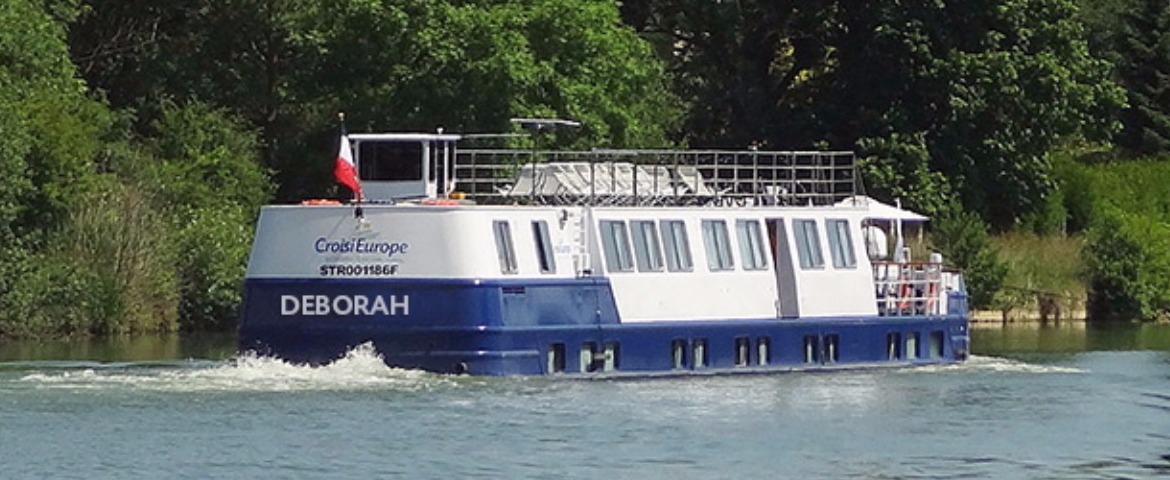
There's a particular quality of light on this bend of the Seine, a light painters chased with brush in hand for thirty years. Monet set up his easel right here in 1869; Renoir, Sisley, Morisot and Pissarro followed, turning this village in the Yvelines, about fifteen kilometres west of Paris, into an open-air laboratory of Impressionism. Boats travelling up the river from the capital stop here at the foot of the hillsides, right where it all began.

Walking Through the Paintings

Along the riverbanks, enamel reproduction plaques are set up at the exact spot where each canvas was painted; Bougival has a dozen of them. Stop in front of Monet's The Seine at Bougival, look up, and the real landscape lines up with the painting: the same wooded islands, the same curve in the river, the same rippling reflections. The exercise, simple and free, delivers a surprising pleasure, that of confirming, a century and a half later, that the light hasn't lied. Allow an hour and a half for the full loop along the riverbanks; the village tourist office provides a handy map. The Impressionists' Path continues on toward Louveciennes and Marly for anyone wanting to extend the walk along the hillsides.

The Machine That Supplied Versailles with Water

Facing the Île de la Chaussée stand the remains of one of the great technical feats of the Grand Siècle. The Machine de Marly, completed in 1684, lifted water from the Seine more than 150 metres high using fourteen giant paddle wheels, to supply the fountains of Versailles and Marly. Sisley painted the dam in 1876; panels today tell the story of this hydraulic giant, dismantled piece by piece over the centuries, its last building disappearing in 1968. It takes a little imagination, and it comes easily, standing before the current still rippling the water in the very same spot.

The Hill of Musicians and Writers

Painters weren't the only ones drawn to Bougival. On the heights, Russian writer Ivan Turgenev had a pale wooden dacha built where he spent his final years, right next to the villa of singer Pauline Viardot, the great friendship of his life; the house-museum preserves his study and tells the story of this Franco-Russian circle that counted Flaubert and Saint-Saëns among its visitors. Georges Bizet, settled on the other side of the river, finished Carmen here. Rarely has such a modest village concentrated so many masterpieces per square metre.

Riverside Taverns and the Water's Edge

The spirit of the boating crowd still lingers over the islands. It was on Île de Croissy, right across the water, that La Grenouillère once stood, that famous floating bathing spot where Monet and Renoir set up their easels side by side in the summer of 1869, unknowingly inventing an entire artistic movement; a museum on the neighbouring bank is devoted to it. The docks are a reminder that boating, immortalized by Renoir, is still practised on this quiet stretch of river. In season, the riverbanks take on their old Sunday festival air once more: strollers, rowers, terraces where people sit down to fried fish or a glass of chilled white wine. The village centre, climbing from the medieval Notre-Dame church up toward the hillsides, lines up quiet streets and walls of rough-cut stone. Everything can be reached on foot from the landing point, at an easy pace, exactly the one this place calls for; a break on a terrace facing the islands rounds out the afternoon perfectly.

Carrying the Light Away

In the evening, as the boat resumes its course along the Seine toward Paris or Normandy, the hillsides of Bougival slip slowly away behind the plane trees. Everyone keeps their own inner canvas: a reflection, a footbridge, the shadow of a dacha among the trees. The Impressionists were chasing the moment; this port call offers a generous supply of them, ones worth carrying carefully into the rest of the journey.

Frequently Asked Questions

At the foot of the hillsides, on the Seine, in this Yvelines village about fifteen kilometres west of Paris. Everything is walkable from the landing.
Because Monet set up his easel here in 1869 and Renoir, Sisley, Morisot and Pissarro followed. For thirty years this bend in the Seine served as an open-air laboratory for the movement.
Yes. About a dozen enamelled reproduction panels stand along the banks, at the exact spot where the canvases were painted. In front of Monet's The Seine at Bougival, the real landscape lines up with the painting: same wooded islands, same curve of the river.
An hour and a half for the full circuit. The village tourist office provides a handy map. The Impressionists' path continues towards Louveciennes and Marly for anyone who wants to keep walking the slopes.
One of the great technical feats of the Grand Siècle: completed in 1684, it lifted Seine water more than 150 metres using fourteen giant paddle wheels, to feed the pools of Versailles and Marly. Sisley painted the weir in 1876.
Almost nothing. It was dismantled over the centuries and the last building disappeared in 1968. Interpretation panels tell the story opposite the Île de la Chaussée; it takes some imagination, which comes easily watching the current still ruffle the water in the same place.
A pale wooden house the Russian writer Ivan Turgenev had built on the heights, close to the villa of the singer Pauline Viardot, the friendship of his life. The house-museum keeps his study and tells the story of this Franco-Russian circle, which drew Flaubert and Saint-Saëns.
A famous floating bathing place on the Île de Croissy, directly opposite Bougival, where Monet and Renoir painted side by side in the summer of 1869, inventing a movement without knowing it. A museum on the neighbouring bank is devoted to it.
Walk up from the medieval church of Notre-Dame towards the slopes, through quiet lanes and millstone walls. Then a terrace facing the islands: rowing, immortalized by Renoir, is still practised on this calm reach.
The euro and French. The village is modest: a few terraces and shops, no shopping district. Bring a little cash and do not expect souvenir stores.