Cassis France Riviera
7
Cruises availables
At departure or passage at this port
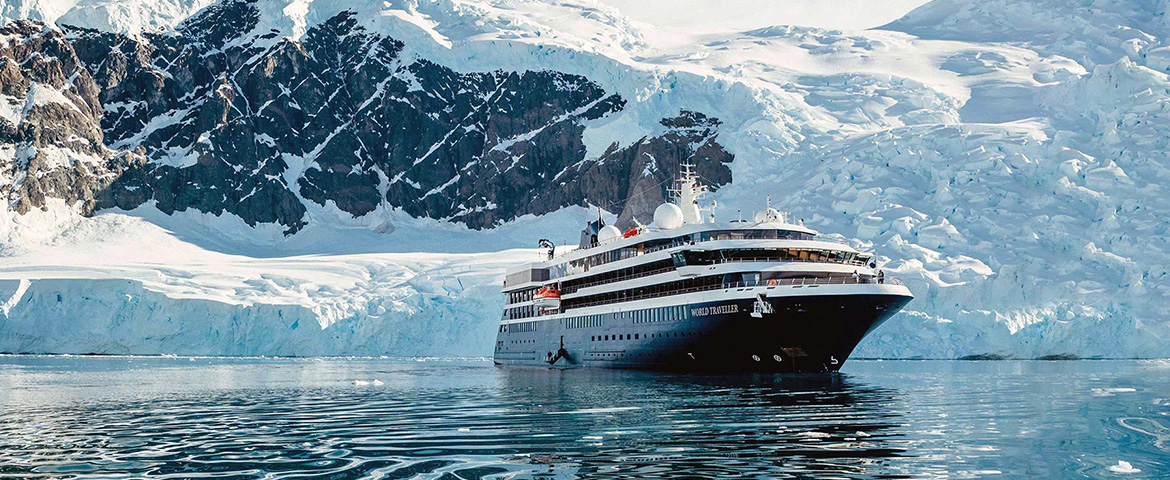
Atlas Ocean Voyages (1 Cruises)

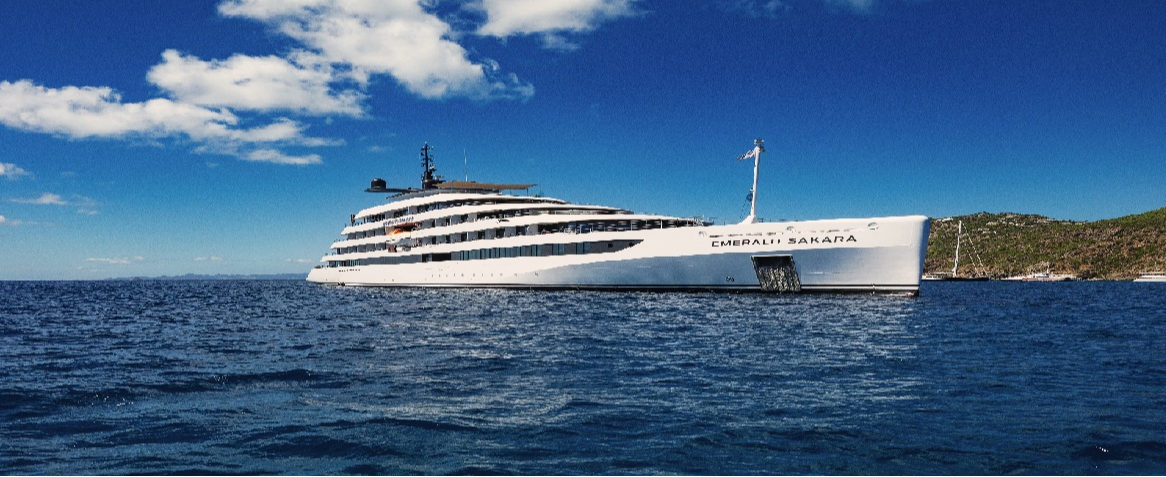
Emerald Waterways (1 Cruises)

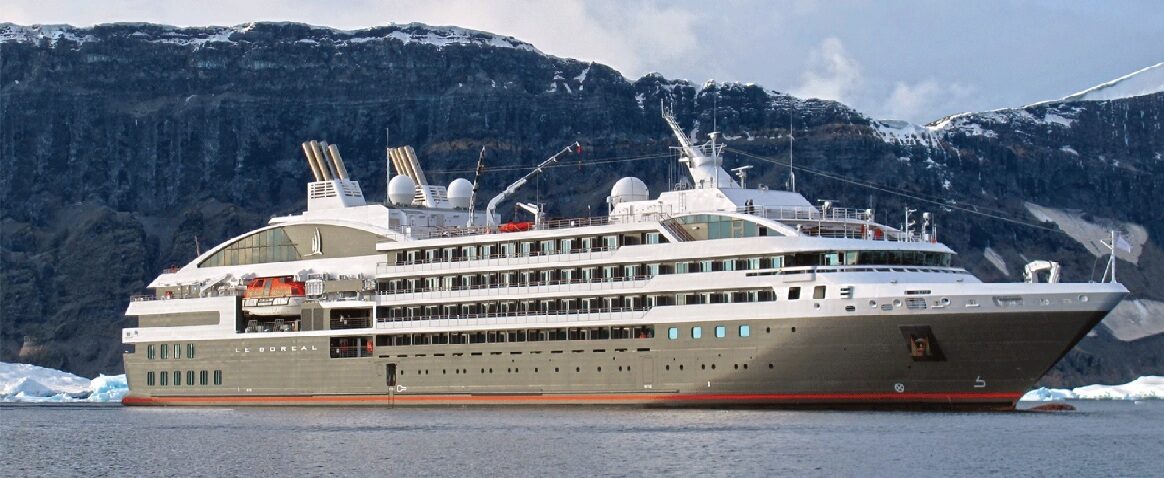

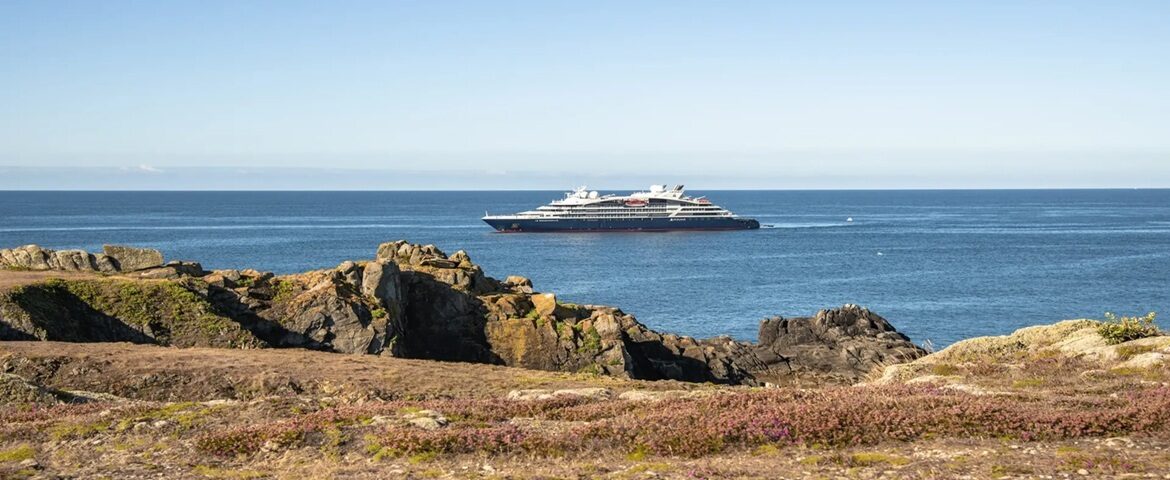
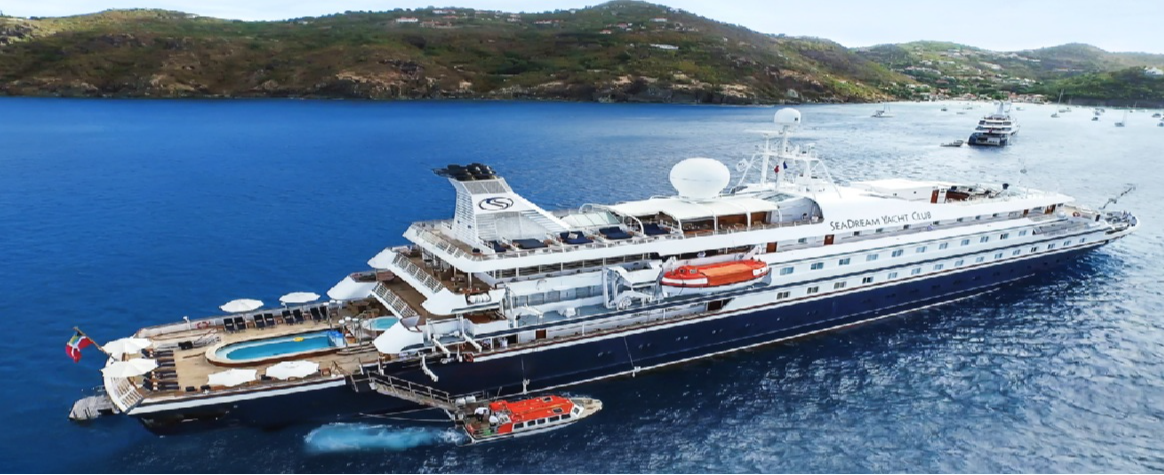
SeaDream Yacht Club (1 Cruises)

Port of Cassis, France | Cruise Port Guide
Frequently Asked Questions
By tender. Ships anchor in the bay and tenders reach the centre in a few minutes. The landing is right in the village: everything is walkable.
A boat trip into the calanques, 45 minutes to two hours depending on the option, then the Quai des Baux and the lanes climbing to Saint-Michel church. Plage de la Grande Mer, two minutes from the quay, allows a quick swim before returning.
Port-Miou and its forest of masts, Port-Pin fringed with Aleppo pines, and above all En-Vau, whose 100-metre walls frame an emerald inlet where climbers seem suspended in the sky. Tickets are sold at the tender pier.
Yes, as far as Port-Miou: about thirty minutes from the centre on an easy path, enough for a taste of this world of stone. Bring a hat and water; shade is scarce and the Provençal sun is unforgiving.
Yes. In summer the mistral regularly stops sailings. Keep a fallback plan in the village, and prefer morning departures: the sea is calmer.
The highest sea cliff in France: 394 metres of ochre and red sandstone plunging into blue water, across the bay. The Route des Crêtes, winding along its top towards La Ciotat, lines up dizzying viewpoints; it is a classic minibus excursion.
One of the very first controlled appellations in France, recognized in 1936. Its fourteen estates, clinging to terraces between sea and cliffs, mainly make a dry white with citrus and white-flower notes, a natural match for sea urchins and bouillabaisse. Several tasting cellars are steps from the quays.
Wednesday and Friday mornings. The Provençal market smells of tapenade, garrigue honey and Marseille soap, just behind the waterfront.
No, it is privately owned. Its crenellated outline above the rooftops defines the view but is not open: you admire it from the harbour.
For the light. Derain, Dufy and Matisse set up their easels on these quays where the water takes on shades the Mediterranean reserves for a chosen few, between the white calanques to the west and the fire-coloured Cap Canaille to the east.


