Chalonnes-sur-Loire France

128 Cruises availables At departure or passage at this port

CroisiEurope (128 Cruises)

Image not available

MS Lafayette

Visit the ship's page
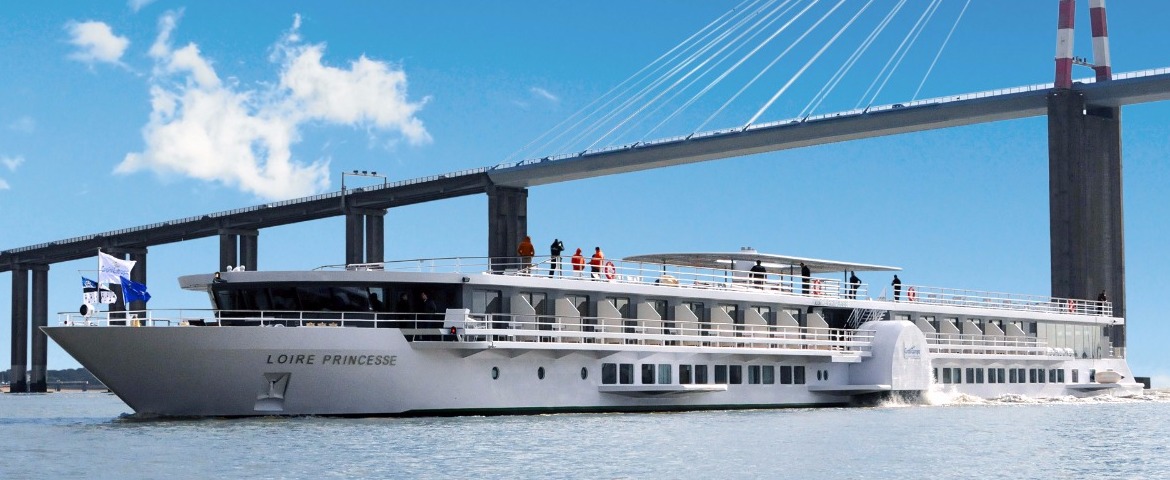
Cruise CE Croisieurope MS Loire Princesse ship

Ms Loire Princesse

94 Passengers
Visit the ship's page

The Loire calls the shots here: the layout of the quays, the names of the streets, the calendar of floods, and even the wine poured at the table. Chalonnes-sur-Loire, a town in Anjou set at the confluence of the Loire and the Layon, marks the western boundary of the Loire Valley, a UNESCO World Heritage site. River ships making their way up Europe's last great wild river stop here at the foot of former bargemen's houses, in a landscape where water and vineyards share the horizon.

Quays Made for Strolling

The quays stretch some 600 metres facing the sandbanks and islands. They once told the whole story of the river's activity: barges loaded with Layon wine, timber rafts, shad fishermen. The mooring rings and tall warehouse doors still bear the marks of it. Today, terraces have replaced barrels, and the shaded, flat riverside promenade suits every pace: stroller, wheelchair, or a wanderer's gait, everyone finds their own rhythm facing the pale sandbanks. The bell tower of Saint-Maurille church, standing right at the water's edge, serves as a landmark from one end of town to the other.

The Bargemen's Quarter

Behind the quays, a maze of lanes with colourful names, the Malpavés, serves the old bargemen's houses. A marked trail tells this river history, from the golden age of Loire boat traffic to the local workshop where traditional flat-bottomed boats are still built. Saint-Maurille church, rebuilt several times over, draws attention for its stained-glass windows; its forecourt offers a lovely face-off with the river. On Tuesday or Saturday, depending on the season, the market brings the square to life, offering up rillauds, goat cheeses, and seasonal strawberries. The vendors are easy to talk to and generous with advice; visitors often leave with more provisions than planned, and a few addresses scribbled on the corner of a paper bag.

Île de Chalonnes, a World Between Two Channels

Across from the town, Île de Chalonnes, one of the largest inhabited islands on the Loire, stretches its ten kilometres of meadows, farms, and pollarded ash trees between two branches of the river. A loop on foot or by bike captures its atmosphere well: shifting light on the sandbanks, herons fishing, backwaters where small boats sit moored, and the still silhouettes of anglers beneath the foliage. Birdwatchers will find plenty to enjoy in any season, as the Anjou valley ranks among the country's great migratory corridors: terns nesting on the sandbanks in spring, geese and lapwings in winter, and kingfishers as blue scouts year-round.

The Corniche Angevine and the Wines of the Layon

South of town begins one of the most beautiful drives in Anjou: the corniche angevine, which winds along the hillside toward Rochefort-sur-Loire above the vineyards and slate rooftops. Shore excursions often head this way, with a stop at a Coteaux du Layon estate, celebrated for its sweet white wines made from chenin blanc grapes. A tasting with that view in front of you, golden glass in hand, sums up Anjou better than any lengthy explanation could. Cyclists, meanwhile, have the La Loire à Vélo route running right through the town.

When the Ship Rejoins the Current

As the ship departs, the current takes hold again and the sandbanks slide by, gulls in escort. On the bank, a fisherman waves, a cyclist slows to watch the hull pass, and the bell tower fades gently into the evening's soft haze. Chalonnes plays neither the monument card nor the spectacle card: it offers a day set to the rhythm of the current, between river-borne memory, a secret island, and hillside wines. It's a stop for connoisseurs, the kind people later talk about with the quiet confidence of having seen Anjou as it's truly lived.

Frequently Asked Questions

At the foot of the boatmen's houses, on quays that run some 600 metres facing the sandbanks and islands. This Anjou town sits at the confluence of the Loire and the Layon.
Yes, it is shaded and flat, suitable for a stroller or a wheelchair. The steeple of Saint-Maurille church, standing at the water's edge, serves as a landmark from one end of town to the other.
The tangle of narrow lanes behind the quays serving the old boatmen's houses. A marked trail tells the town's river history, from the great days of Loire barge traffic to the local workshop where flat-bottomed traditional boats are still built.
Tuesday or Saturday depending on the season, on the square. You will find rillauds, goat cheeses and seasonal strawberries; the stallholders are easy to talk to and generous with advice.
One of the largest still-inhabited Loire islands, opposite the town: ten kilometres of meadows, farms and pollarded ash between two arms of the river. A loop on foot or by bike gives you the feel of it.
Yes, in every season: the Anjou valley is one of the country's main migration corridors. Terns nesting on the sandbanks in spring, geese and lapwings in winter, kingfishers all year round.
One of the finest drives in Anjou, starting south of the town and winding along the hillside towards Rochefort-sur-Loire, above the vines and slate roofs. Shore excursions head there readily.
The Coteaux du Layon, known for sweet whites made from chenin. A tasting at an estate facing the corniche view sums up Anjou better than any speech.
The town marks the western edge of the Loire Valley World Heritage listing. The landscape of sandbanks, willows and hillsides is part of it.
It plays neither the monument card nor the spectacle card: there is no major site to tour. What it offers is a day at the river's pace, between barge-hauling memory, a secret island and hillside wines. This is a call for people who know what they are looking for.