Collioure France

18 Cruises availables At departure or passage at this port

Matisse said there exists no sky in France more blue than that of Collioure. From the tender that carries passengers toward shore, you quickly grasp what held the painter's attention: a pink bell tower set upon the sea, ochre and saffron façades, Catalan boats drawn up on the pebbles and, behind, the first slopes of the Pyrenees plunging into the Mediterranean. The port-call begins like a painting, and the painting exists genuinely: it was painted here itself, in 1905.

A Landing at the Castle's Foot

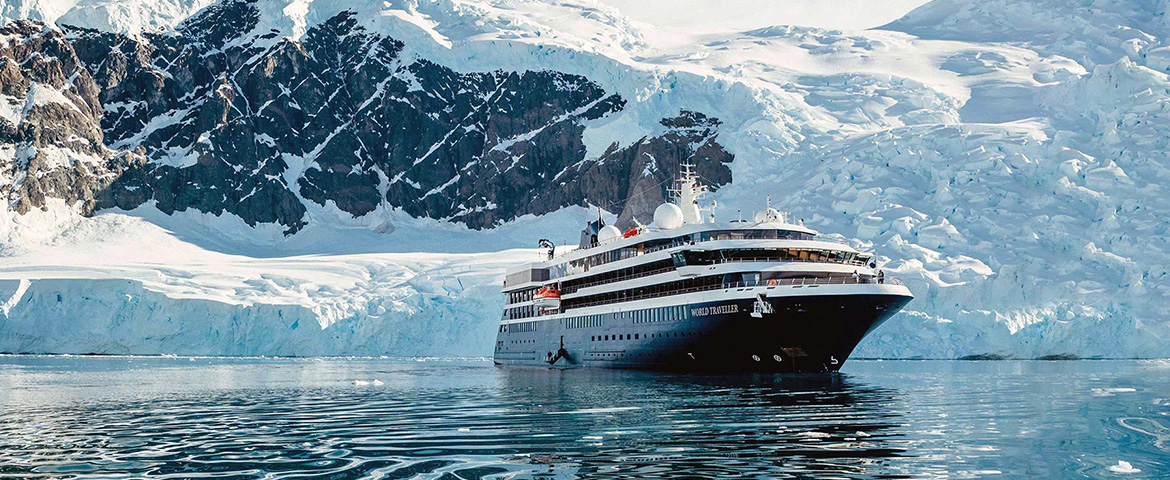
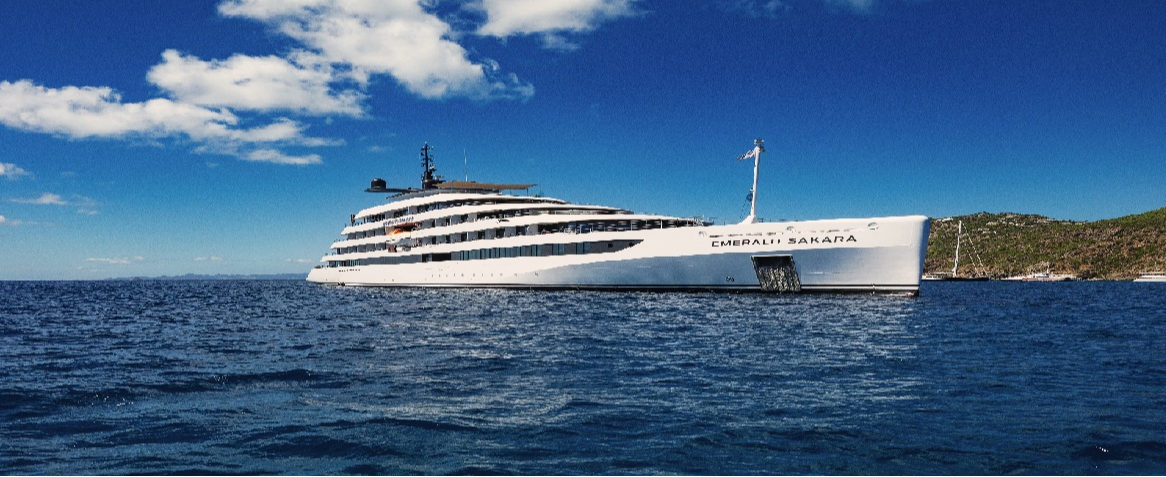
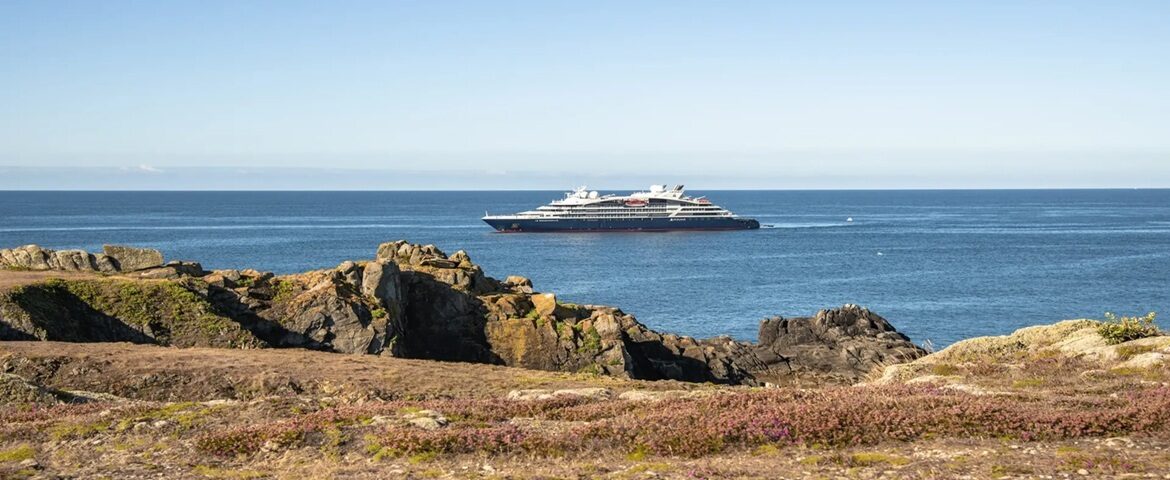
Collioure possesses no quay for large ships: intimate-sized vessels, such as those of Ponant, anchor in the bay and disembark their passengers by tender, directly at the centre, between the Royal Castle and the bell tower of Notre-Dame-des-Anges. Four hours suffice to tour the town, but most port-calls allow longer, and no one complains.

The Bell Tower Beacon and Church of Retables

Natural first stop: this round tower topped by a pink dome that serves as emblem for the Vermillion Coast. A former harbour beacon, it became a bell tower when Notre-Dame-des-Anges Church was built at its feet, in the late seventeenth century, literally in the water. The interior astonishes: nine gilded Baroque retables, including a masterpiece by Catalan sculptor Joseph Sunyer, blaze in the dimness. The contrast between the sober exterior and this profusion of gold merits a visit by itself.

Seven Centuries of Fortresses

The Royal Castle closes off the bay with its austere mass. Residence of the kings of Majorca then of Aragon from the thirteenth century onward, reworked by Vauban who razed an entire quarter to clear its glacis, it can be toured from Gothic halls to ramparts, from which the gaze sweeps over the roofs and sea. Higher, Fort Saint-Elme, a sixteenth-century stone star, watches over the coast from its hillside; walkers climb to it in about forty minutes through terraced vineyards, those that give the wines of Collioure and Banyuls, cultivated on slate slopes until they touch the sky.

Treading in the Fauves' Steps

In the summer of 1905, Henri Matisse and André Derain planted their easels in these lanes and brought back canvases of such frank colours that a critic spoke of "fauves." The Fauvism Trail now marks the town with twenty reproductions installed at the exact places where the originals were painted: you compare, you marvel at the liberties taken, you above all note that the light itself has not changed. Art galleries perpetuate the tradition in the Mouré quarter, where wisteria drips from balconies.

Anchovy: King of the Pantry

Collioure was long a fishing port living from sardine and anchovy. Two family businesses perpetuate traditional salting, fillets raised by hand and arranged in crowns in brine; their shops offer tastings and jars to take home. On the waterfront terraces, anchovy paste rubs shoulders with Catalan tapas, Catalan cream and chilled rosé from the local vintage. A meal taken facing the boats, with lapping water as background music, counts among the lasting pleasures of this coast.

Wanderings and Coves

The rest belongs to wandering: the flowered lanes of the old quarter, the fourteenth-century oil mill on its knoll, the pebble beaches that succeed one another to the coastal path. Those who love swimming will find clear water from June onward; others will follow the coastal path toward Ouille Cove, twenty minutes from the centre.

When the Tender Departs

Returning to the ship, the sun descends behind the Albères and the bell tower blazes one last time. Derain wrote to Vlaminck that there was nothing more beautiful than these boats on this sea. A hundred years later, every passenger leaving the bay reaches, unknowingly, exactly the same conclusion.

Frequently Asked Questions

By tender. Collioure has no berth for large ships: small vessels such as Ponant's anchor in the bay and land passengers directly in the centre, between the Château Royal and the bell tower of Notre-Dame-des-Anges.
Yes, and four hours are enough to cover the village. You land in the heart of it: no shuttle, no taxi needed. Only the climb to Fort Saint-Elme calls for real effort.
The church of Notre-Dame-des-Anges and its altarpieces, the Château Royal, then the Fauvism trail through the lanes. Finish with anchovies and a terrace. Add Fort Saint-Elme only if the call runs past six hours.
In the summer of 1905 Matisse and Derain set up their easels here and produced canvases so bold in colour that a critic called them fauves — wild beasts. Matisse said no sky in France was bluer than the one over Collioure.
A route of twenty reproductions placed exactly where the originals were painted. You compare painting to view, enjoy the liberties taken, and see that the light itself has not changed. It is free and gives the visit a good structure.
Nine baroque altarpieces gilded in gold leaf, including a masterpiece by the Catalan sculptor Joseph Sunyer. The contrast between the plain exterior and that blaze of gold surprises most visitors. The round pink-domed tower was originally the medieval harbour light.
Yes, from the Gothic halls to the ramparts. Residence of the kings of Majorca and then Aragon from the 13th century, it was reworked by Vauban, who levelled an entire district to clear its glacis. From the walls the eye runs over the rooftops and out to sea.
Yes, about forty minutes on foot through terraced vineyards. It is a steady climb in full sun in summer: bring water and a hat. The wines of Collioure and Banyuls come from these schist slopes.
Anchovies, without hesitation. Two family houses keep the traditional salting alive and sell them in jars that travel well. A bottle of Banyuls, the naturally sweet wine of the nearby slopes, rounds out the trip.
The euro, cards accepted in shops and galleries. French is spoken, with living traces of Catalan in place names and dishes — this is the Côte Vermeille, at the gates of Catalonia.