Douarnenez Brittany France
6
Cruises availables
At departure or passage at this port
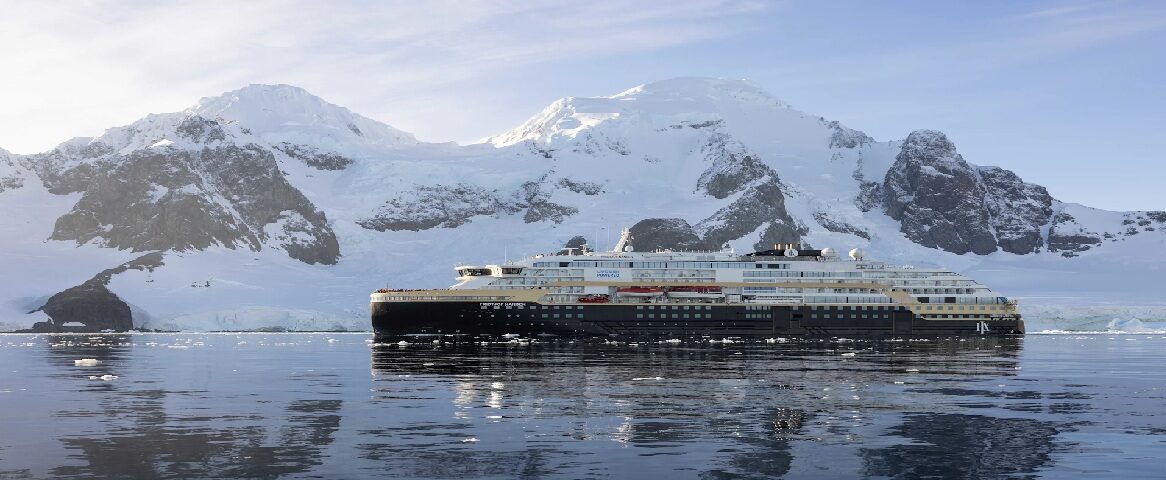
HX Expeditions (1 Cruises)

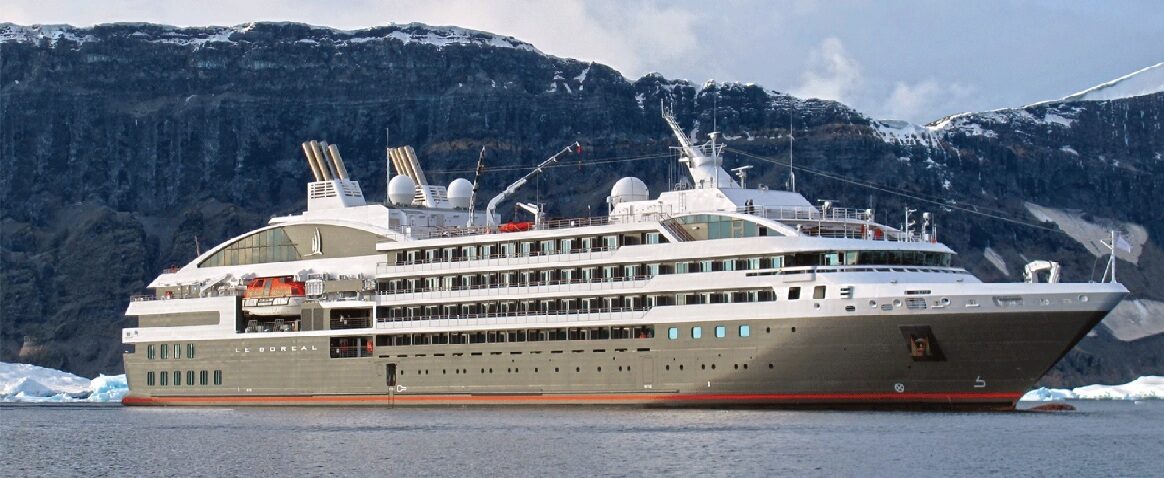
Ponant (1 Cruises)

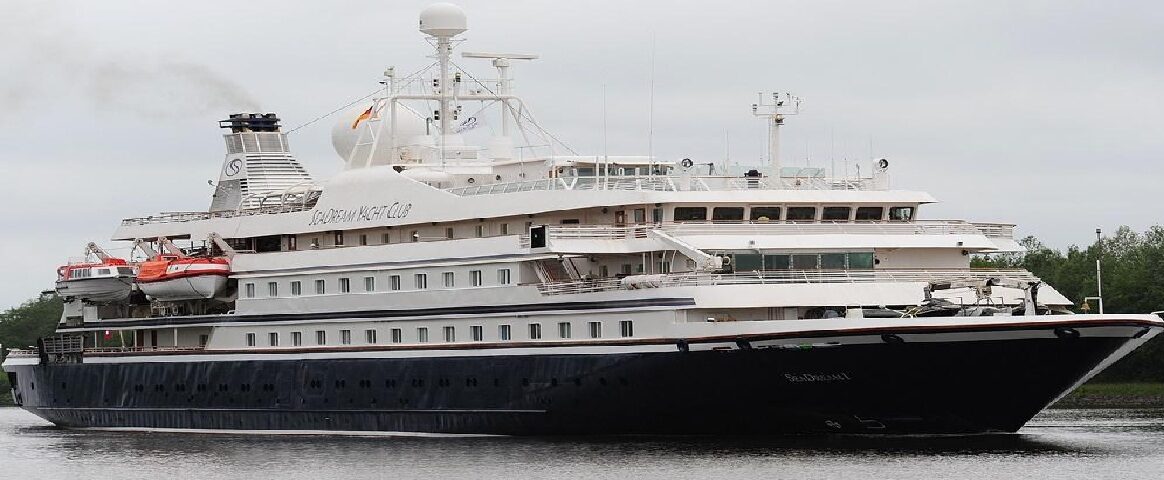
SeaDream Yacht Club (4 Cruises)

Douarnenez Brittany France | Finistère Cruise Destination Guide
Frequently Asked Questions
In the bay of Finistère, with passengers landed near the centre. From the deck you can pick out a small wooded island, the mouth of a ria and quiet quays. Everything after that is on foot.
A former sea inlet once used to move goods, whose quays now hold shops, cafés and moored boats. A footbridge crosses the water; from the far, quieter bank the view takes in the masts, the open sea and the Île Tristan at a glance.
The Port-musée, the Sardine Trail and, if the tide allows, Île Tristan. That is a full programme without being tight. Douarnenez reveals itself unhurriedly, at Brittany's own pace.
1,500 square metres of exhibition holding some twenty full-size craft and objects from the maritime cultures of Europe, Asia, Africa and Oceania. Eight boats float alongside the basin, four of which you can walk from hold to deck.
The steam tug Saint-Denys, the buoy tender Roi Gradlon, the barge Dieu Protège and the galeas Anna Rosa. You climb down ladders and touch weathered timber: few museums offer such closeness to the sea.
Yes, but only at low tide: you cross dry-shod in a few minutes over wet foreshore, between pools and seaweed. Check the tide table before setting out, because the sea takes the crossing back quickly.
A garden of exotic species, thriving in the shelter of the open-sea winds. Anyone preferring dry land gets the same picture from the Port-Rhu footbridge.
A free walk of about two hours through the streets, marked by a hundred bronze fish-shaped studs set into the ground. It tells the story of the century when hundreds of small boats left the bay each night for the sardine shoals.
They closed one by one, and it is worth knowing: you come here for the memory of an industry, not to watch it working. The smell of iodine, the coloured hulls and the fishermen's houses crowded above the water still carry the story.
The euro, cards accepted at the museum and in shops. French is spoken, with Breton visible on signs and boat names. English turns up at the Port-musée, less so elsewhere.


