Duclair France

19 Cruises availables At departure or passage at this port

Tauck Cruises (19 Cruises)

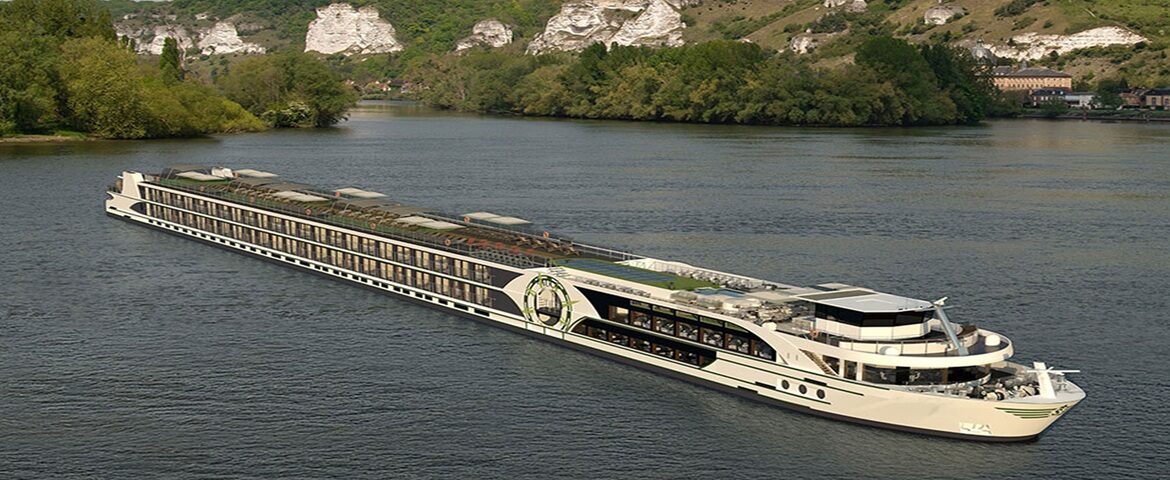
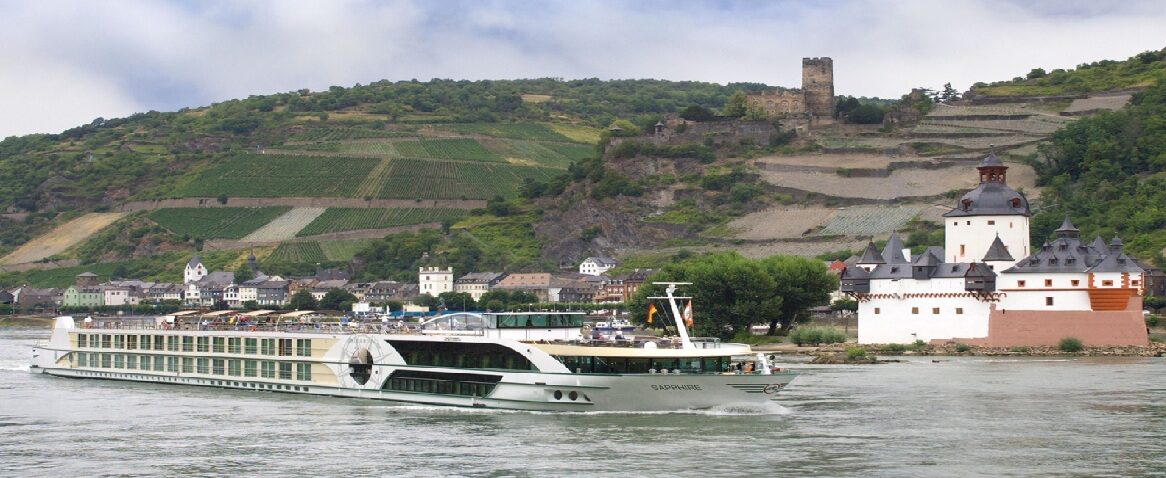
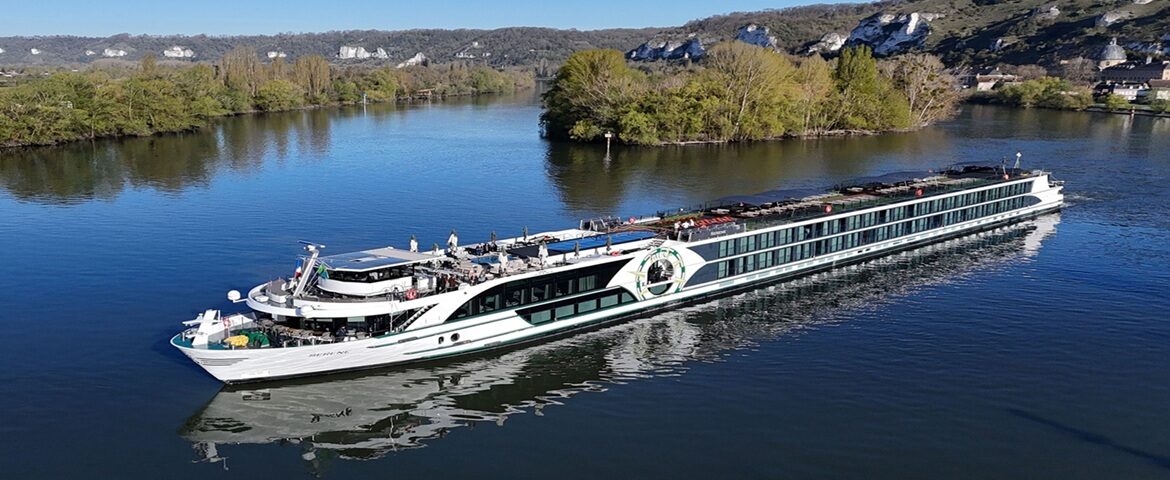
Between Rouen and the estuary, the Seine does not run straight toward the sea: it draws great lazy loops, bordered by forests and orchards. Duclair sits in the curve of one of them, in the heart of the Boucles de la Seine Norman Regional Natural Park. When the boat moors there, the river seems to slow with it. The day that awaits will be made of Romanesque stones, woodlands and an astonishing duck story.

A Town at the River's Pace

The centre is reached in a few steps from the landing. Here, no monuments overwhelm the passer-by: Norman houses, food shops, banks where you walk or cycle between water and wooded slopes. Botany enthusiasts will venture to the Archipel des Eaux mêlées, a landscaped garden doubled as an arboretum, ideal for a morning stroll. The atmosphere is that of everyday Normandy, without artifice. The main street's shops suffice to compose an apt picnic: valley cheeses, fresh bread, artisanal apple juice.

Jumièges, France's Finest Ruin

The true reason for this stop hides a few kilometres away: Duclair is the closest access point to Jumièges Abbey. Founded in the 7th century, this powerful Benedictine house was one of the region's great intellectual and spiritual centres. Its twin towers and nave open to the sky compose a setting many call "France's finest ruin." You move freely between the white walls, your gaze constantly drawn upward, and you quickly understand why so many visitors leave this place suspended between glory and abandonment in silence. River cruises generally arrange the transfer; solo, the trip takes a few minutes by taxi, through orchards and woodlands.

The Route of the Abbeys

Jumièges is but one chapter of a broader itinerary. Duclair sits on the Route of the Abbeys of the Seine Valley, between Saint-Martin-de-Boscherville and the monastic houses downstream. A little further along the river, Saint-Wandrille Abbey still shelters a Benedictine monastic community; you can join a guided visit, then leave with shop products. From enclosure to enclosure, the landscape alternates meadows, orchards and wooded slopes, as if the valley had been drawn for meditation.

The Duck That Toured the Great Tables

Impossible to leave without mentioning the local pride: the duck of Duclair. This fowl with dark meat conquered great chefs, who prepare it with orange, blood or cherries. The town's tables perpetuate the tradition, and the meal becomes here a way to extend the encounter with Norman terroir. Those preferring the sweet will find in the neighbouring orchards the source of apples that perfume pies and artisanal juices.

Taking Time, Simply

This stop requires no timed programme. Some passengers choose to stay near the water, notebook in hand, to sketch the silhouettes of barges climbing the current. Others follow the banks downstream, where cattle graze beneath apple trees, in a landscape that seems painted in advance. Everyone returns to the shore with the same impression of having breathed more slowly than usual.

Late in the day, the boat casts off and the loop resumes its slow movement. Jumièges's towers disappear behind the trees, one by one, like sails being lowered. There remains then this particular feeling of successful river port-calls: that of having shared, for a few hours, the quiet life of a village that has watched the Seine pass for centuries.

Frequently Asked Questions

On the Seine, in the hollow of one of the great loops between Rouen and the estuary, inside the Boucles de la Seine Normande regional park. The village centre is a few steps from the landing.
Jumièges Abbey is the real reason for this stop: give it most of your time. The village itself takes a short hour, between food shops and riverbank. Do not expect monuments in Duclair proper.
River cruises usually arrange the transfer; on your own, a few minutes by taxi through orchards and woodland does it. Duclair is the closest access point to the abbey.
A powerful Benedictine house founded in the 7th century, one of the region's great intellectual and religious centres. Its twin towers and its nave open to the sky have earned it the nickname of the most beautiful ruin in France. You wander freely among the white walls.
A Seine valley itinerary running from Saint-Martin-de-Boscherville to the monastic houses downstream, on which Duclair sits. A little further along, Saint-Wandrille Abbey still houses a community of Benedictine monks and offers guided visits.
Yes, the abbey is still alive: you can join a guided visit and leave with produce from the monastery shop. It is a different experience from Jumièges, where only the walls remain.
The local pride: a dark-fleshed bird that won over great chefs, served with orange, in its own blood or with cherries. The village restaurants keep the tradition, and the meal becomes a way of extending the encounter with Norman country cooking.
Yes, the banks are made for walking and cycling between the water and the wooded slopes. Plant lovers should push on to the Archipel des Eaux mêlées, a landscaped garden with an arboretum, perfect for a morning stroll.
As a village, it is everyday Normandy without staging: Norman houses, food shops, quiet banks. Anyone after a spectacular historic centre will be disappointed; anyone coming for Jumièges and the woodland will leave satisfied.
The euro, cards accepted in shops and at the abbey. French is spoken; Jumièges and Saint-Wandrille provide English material, but the village itself is very much French-speaking.