Gambsheim France

28 Cruises availables At departure or passage at this port

CroisiEurope (28 Cruises)

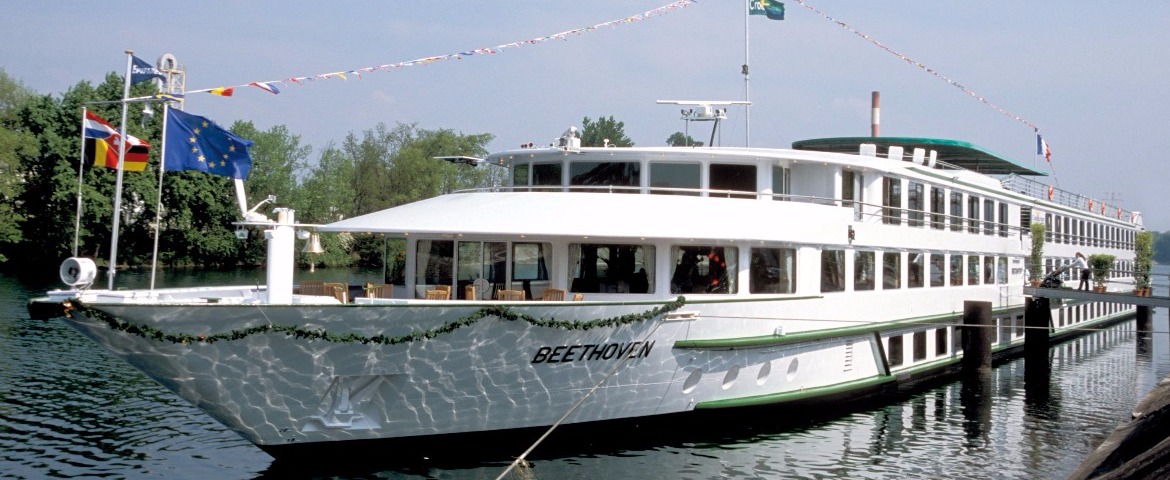
Cruise CE Croisieurope MS Beethoven ship

MS Beethoven

178 Passengers
Visit the ship's page

Behind the glass, a salmon fights its way upstream. The scene unfolds 10 metres from the Rhine, in an underground observation room where young and old hold their breath. Gambsheim, an Alsatian riverside halt 15 kilometres north of Strasbourg, offers Rhine cruises an unexpected stop: one of Europe's largest fish passes, paired with a privileged vantage point on the life of the great river.

A Technical Feat Becomes Attraction

The site manages the passage of boats and, more discreetly, of fish. On one side, massive locks raise or lower barges and river cruise ships along the regulated course; the wait before the giant gates is part of the show, and many passengers crowd the deck to follow the manoeuvre, stopwatch in hand. On the other side, a more modest but equally ingenious structure allows migratory species to pass the dam: the fish pass, opened in 2006 at the 309th kilometre of the Rhine, which lends its name to the visitor space, Passage309.

The Great Migration Seen from Inside

The numbers tell the story: 290 metres long, 40 successive pools compensating for 10 metres of elevation change, and roughly 60,000 fish making the journey each year. The underground hall, fitted with three viewing windows, lets you watch salmon, eels and other migrants in full effort, while a permanent exhibition explains Rhine biodiversity, the consequences of major engineering projects and the slow return of migratory species. Children press their noses to the glass, and so do adults: hard to remain unmoved by sheer perseverance. Allow a good hour for the visit; the curious will gladly extend toward the nearby lake and small marina. The site, cross-border in spirit, is shared with the German municipality of Rheinau, just across the way.

An Alsatian Village on the Water

Around the halt, Gambsheim lives at the unhurried pace of the Ried plain: flower-bedecked houses, church steeple, orchards and dike paths where residents walk dogs and bicycles. Bells mark the hours without hurry, and you quickly adjust your pace to this quiet metronome. A walk along the bank, between willows and oxbow channels, offers a welcome moment of calm after the major urban stages of the itinerary. Waterfowl abound, herons among them, and sunsets over the plain rank among the simple rewards of this stretch of the voyage.

Strasbourg Within Day-Trip Distance

Strasbourg's proximity, a quarter-hour's drive away, explains why this halt appears on many Rhine programmes. Several cruise lines organize excursions from here to the Alsatian capital: the cathedral, its pink sandstone spire visible from far across the plain, Petite France with its half-timbered houses leaning over the canals, ideal for wandering between flower-lined bridges, or the European institutions. Other itineraries lead to vineyard villages and regional restaurants, between choucroute, kougelhopf and Alsatian white wines. The return often comes late afternoon, as light falls over the plain.

The River Continues

Leaving the lock, the boat finds the current again and the Rhine forest slips past once more. Somewhere beneath the hull, salmon pursue their own upstream journey, relentless, toward the spawning grounds they have rediscovered. This thought pleasantly accompanies the voyage: on today's Rhine, travellers on fins and travellers on the promenade deck each have their own path, and Gambsheim is where the two cross.

Frequently Asked Questions

At the Alsatian river landing 15 kilometres north of Strasbourg, beside the large Rhine locks. The village and the Passage309 are both reachable on foot from the quay.
The Passage309 and its fish pass, allow a good hour, then a walk on the dyke. If the ship offers Strasbourg, a quarter-hour away by road, that is the other main option — but the two together do not fit.
The visitor centre of the fish pass, opened in 2006 at kilometre 309 of the Rhine, hence the name. An underground room with three viewing windows lets you watch salmon, eels and other migratory fish at full effort, ten metres from the river.
290 metres long, with 40 successive basins to overcome 10 metres of height difference. Around 60,000 fish use it each year. It is one of the largest in Europe.
Very much. Children press their noses to the glass, and so do adults: it is hard to stay unmoved by that kind of pure persistence. A permanent exhibition explains Rhine biodiversity and the slow return of migratory species.
Yes, and it is a show in itself. The great locks raise and lower barges and river ships; many passengers gather on deck to follow the manoeuvre in front of the giant gates, stopwatch in hand.
An Alsatian village of the Ried plain: flower-filled houses, a church tower, orchards and dyke paths where locals walk dogs and ride bicycles. A stroll along the bank, between willows and backwaters, offers calm after the big urban stops.
Yes, the Alsatian capital is a quarter-hour away by road, and several lines run excursions there: the cathedral, whose pink sandstone spire is visible far across the plain, is the highlight. That proximity is why this landing appears on so many Rhine programmes.
Yes, waterbirds are plentiful along the bank, herons included. Sunsets over the Ried plain are among the simple rewards of this stretch of the journey.
The euro on both sides of the Rhine, since the German municipality of Rheinau lies directly opposite. French is spoken, with Alsatian heritage; German is very present and English is available at the Passage309.