Le Pecq Saint-Germain-en-Laye, France
423
Cruises availables
At departure or passage at this port
Viking River Cruises (423 Cruises)
Viking Fjorgyn
157 Cruises


Viking Kari
193 Cruises

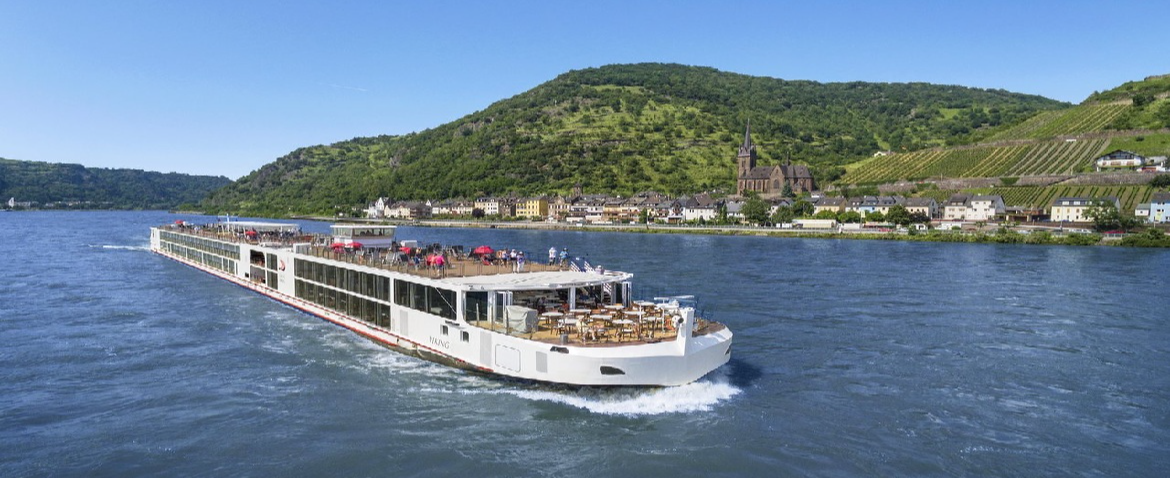
Viking Longships Buri
17 Cruises
| 9 April | 15 days | One-way from Avignon to Paris City |
450-628-6241
Call us
|
| 23 April | 15 days | One-way from Avignon to Paris City |
450-628-6241
Call us
|
| 7 May | 15 days | One-way from Avignon to Paris City |
450-628-6241
Call us
|
| 21 May | 15 days | One-way from Avignon to Paris City |
450-628-6241
Call us
|
| 4 June | 15 days | One-way from Avignon to Paris City |
450-628-6241
Call us
|
| 18 June | 15 days | One-way from Avignon to Paris City |
450-628-6241
Call us
|
| 13 August | 15 days | One-way from Avignon to Paris City |
450-628-6241
Call us
|
| 27 August | 15 days | One-way from Avignon to Paris City |
450-628-6241
Call us
|
| 10 September | 15 days | One-way from Avignon to Paris City |
450-628-6241
Call us
|
| 24 September | 15 days | One-way from Avignon to Paris City |
450-628-6241
Call us
|
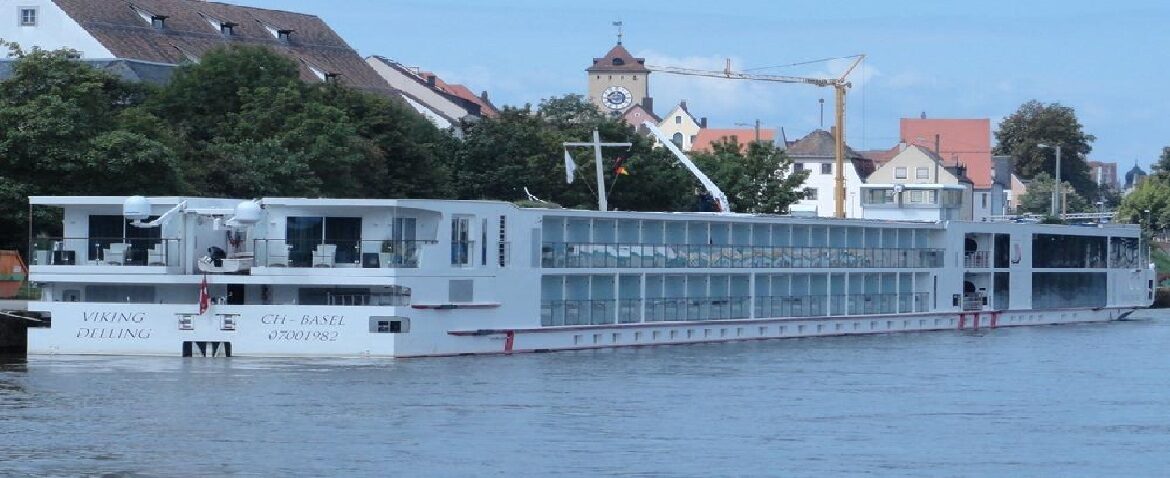
Viking Longships Delling
17 Cruises
| 7 April | 15 days | One-way from Avignon to Paris City |
450-628-6241
Call us
|
| 21 April | 15 days | One-way from Avignon to Paris City |
450-628-6241
Call us
|
| 5 May | 15 days | One-way from Avignon to Paris City |
450-628-6241
Call us
|
| 19 May | 15 days | One-way from Avignon to Paris City |
450-628-6241
Call us
|
| 14 July | 15 days | One-way from Avignon to Paris City |
450-628-6241
Call us
|
| 28 July | 15 days | One-way from Avignon to Paris City |
450-628-6241
Call us
|
| 11 August | 15 days | One-way from Avignon to Paris City |
450-628-6241
Call us
|
| 25 August | 15 days | One-way from Avignon to Paris City |
450-628-6241
Call us
|
| 8 September | 15 days | One-way from Avignon to Paris City |
450-628-6241
Call us
|
| 22 September | 15 days | One-way from Avignon to Paris City |
450-628-6241
Call us
|
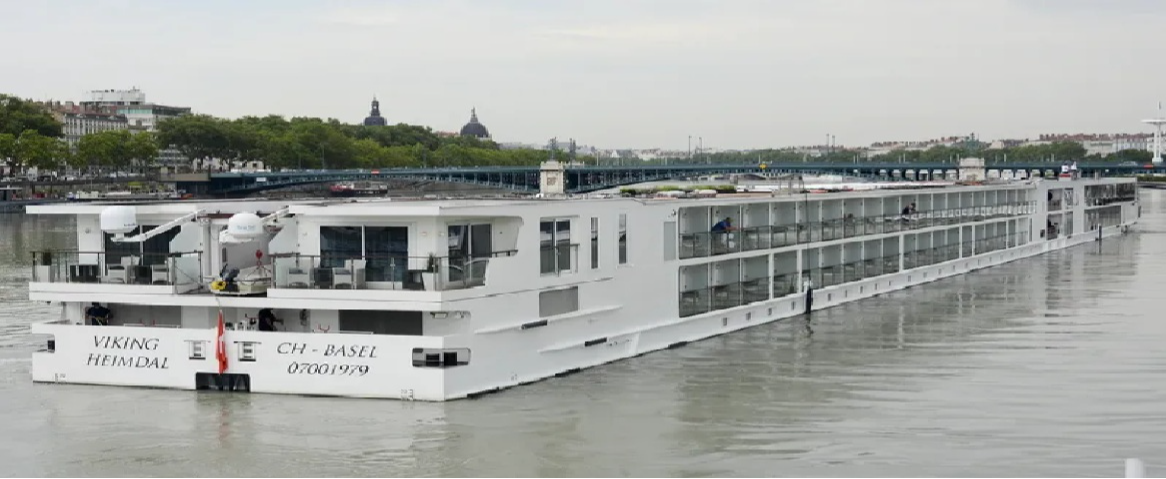
Viking Longships Heimdal
19 Cruises
| 4 April | 15 days | One-way from Avignon to Paris City |
450-628-6241
Call us
|
| 18 April | 15 days | One-way from Avignon to Paris City |
450-628-6241
Call us
|
| 13 June | 15 days | One-way from Avignon to Paris City |
450-628-6241
Call us
|
| 27 June | 15 days | One-way from Avignon to Paris City |
450-628-6241
Call us
|
| 11 July | 15 days | One-way from Avignon to Paris City |
450-628-6241
Call us
|
| 25 July | 15 days | One-way from Avignon to Paris City |
450-628-6241
Call us
|
| 8 August | 15 days | One-way from Avignon to Paris City |
450-628-6241
Call us
|
| 22 August | 15 days | One-way from Avignon to Paris City |
450-628-6241
Call us
|
| 5 September | 15 days | One-way from Avignon to Paris City |
450-628-6241
Call us
|
| 19 September | 15 days | One-way from Avignon to Paris City |
450-628-6241
Call us
|
Viking Longships Lofn
20 Cruises

| 17 March | 15 days | One-way from Avignon to Paris City |
450-628-6241
Call us
|
| 31 March | 15 days | One-way from Avignon to Paris City |
450-628-6241
Call us
|
| 14 April | 15 days | One-way from Avignon to Paris City |
450-628-6241
Call us
|
| 28 April | 15 days | One-way from Avignon to Paris City |
450-628-6241
Call us
|
| 12 May | 15 days | One-way from Avignon to Paris City |
450-628-6241
Call us
|
| 26 May | 15 days | One-way from Avignon to Paris City |
450-628-6241
Call us
|
| 9 June | 15 days | One-way from Avignon to Paris City |
450-628-6241
Call us
|
| 23 June | 15 days | One-way from Avignon to Paris City |
450-628-6241
Call us
|
| 7 July | 15 days | One-way from Avignon to Paris City |
450-628-6241
Call us
|
| 21 July | 15 days | One-way from Avignon to Paris City |
450-628-6241
Call us
|
| 4 August | 15 days | One-way from Avignon to Paris City |
450-628-6241
Call us
|
| 18 August | 15 days | One-way from Avignon to Paris City |
450-628-6241
Call us
|

Le Pecq Saint-Germain-en-Laye | Seine River Cruise Gateway
Frequently Asked Questions
Upstream of the Pecq bridge, on a loop of the Seine in the Yvelines. Passengers land at the foot of the slope crowned by the great terrace of Saint-Germain-en-Laye.
Walk the riverbanks in the morning, then climb to Saint-Germain-en-Laye for the château and the Grande Terrasse. That is a full programme: do not add Monte-Cristo if the call is short.
It is an uphill walk, short but steady, separating the mooring from the centre of Saint-Germain-en-Laye. Anyone with limited mobility should plan on a taxi.
It is a balcony over the Seine valley, designed by André Le Nôtre and built between 1669 and 1674. It runs 1,945 metres and stands 62 metres above the valley floor.
The meanders of the Seine, the rooftops of Le Pecq, the towers of La Défense and, on a clear day, the Eiffel Tower. The 45 hectares of the Domaine national provide benches and parterres to enjoy it unhurried.
The National Archaeology Museum, founded by Napoleon III and housed there since 1867. Its collections rank among the world's richest for prehistory: some 29,000 objects from hand axes to Merovingian treasures, including the Lady of Brassempouy.
These banks drew Claude Monet and Pierre-Auguste Renoir, who set up their easels here when the countryside still began at the gates of Paris. A waymarked route, the Impressionists' path, follows their traces along five kilometres of trails.
Yes, the Parc Corbière, with lawns opening onto the river and mature trees. It is the natural place to pause before the climb to Saint-Germain.
It is the extravagant house Alexandre Dumas built for himself at Port-Marly, minutes away, at the height of his fame. Carved façades, cascading gardens, an artificial grotto and a neo-Gothic study: the flamboyance that made and unmade his fortune.
Yes, provided you like walking. The landscaped banks and Parc Corbière appeal to children; the archaeology museum holds school-age interest. The hill up to Saint-Germain is the only real obstacle.


