Le Pouzin France
10
Cruises availables
At departure or passage at this port
Riviera Travel (10 Cruises)
MS Lord Byron
10 Cruises
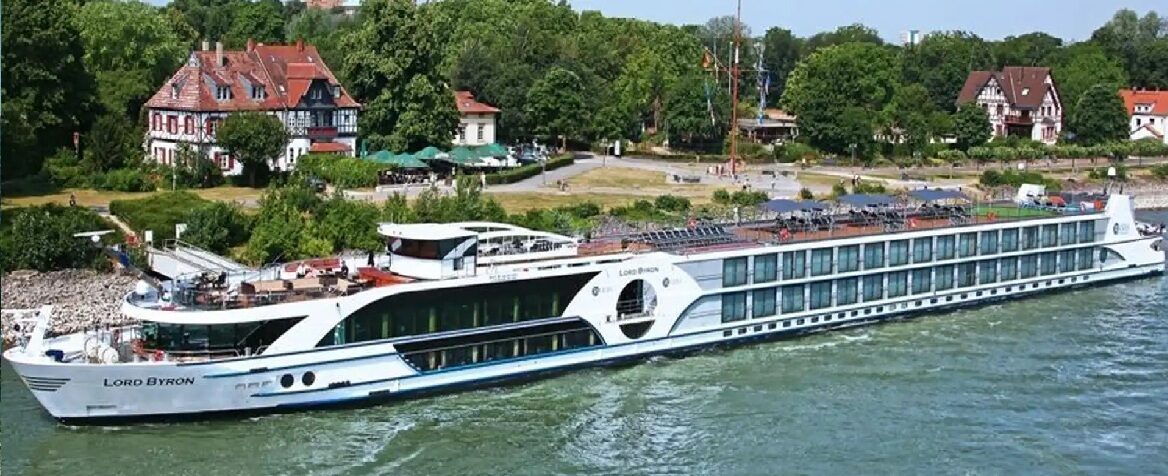

| 29 April | 11 days | Round-trip from Lyon, France |
450-628-6241
Call us
|
| 29 April | 10 days | Round-trip Lyon, Provenal Rhne the Camargue River Cruise - MS Lord Byron |
450-628-6241
Call us
|
| 23 May | 10 days | Round-trip Lyon, Provenal Rhne the Camargue River Cruise - MS Lord Byron |
450-628-6241
Call us
|
| 23 May | 11 days | Round-trip from Lyon, France |
450-628-6241
Call us
|
| 30 June | 11 days | Round-trip from Lyon, France |
450-628-6241
Call us
|
| 30 June | 10 days | Round-trip Lyon, Provenal Rhne the Camargue River Cruise - MS Lord Byron |
450-628-6241
Call us
|

Le Pouzin France | Rhône River Cruise & Ardèche Guide
Frequently Asked Questions
On the right bank of the Rhône, in the Ardèche, where the Ouvèze valley opens out. The quays are a few minutes' walk from the Roman bridge and the village centre.
The Roman bridge. Built in the 2nd century entirely from small blocks of local limestone, it crosses the Ouvèze in a single arch whose unusual width still puzzles archaeologists. The original abutments and vault are still standing.
No, and the guide says so plainly. Le Pouzin does not play in the same league as the great Provençal ports and makes no attempt to dazzle. It tells the stubborn story of a river town that has survived everything, from Roman legions to the bombers of 1944.
The Roman bridge, a walk at the meeting of the Ouvèze and the Rhône, a coffee on a terrace under the plane trees. If the excursion is offered, the Ardèche gorges fill a full half day.
A Protestant stronghold during the Wars of Religion, the town was sacked and burned by royal armies in 1629. In August 1944, Allied bombing aimed at the bridges and the fuel depot destroyed three quarters of the town and killed forty-five inhabitants.
Yes. Reconstruction left a 20th-century church listed among the region's notable modern architectural sites. Walking here means reading layers: an ancient arch, post-war façades.
Yes. The ViaRhôna, the cycle route following the Rhône from Lake Geneva to the Mediterranean, passes through the commune. Take a stretch southwards, between reedbeds and apricot orchards, watching for herons and swans.
Yes, that is the headline excursion. Coaches head for the canyon famous for its limestone cliffs and the natural arch of the Pont d'Arc, on a panoramic road strung with viewpoints above the river.
The euro and French. In a town this size, carry some cash: cards are not accepted everywhere and English is little spoken.
Honey or picodon, the Ardèche goat cheese. Locals are proud of their corner of the country and always ready to point you to a producer.


