Lutzelbourg France
63
Cruises availables
At departure or passage at this port
CroisiEurope (63 Cruises)
MS Jeanine
28 Cruises
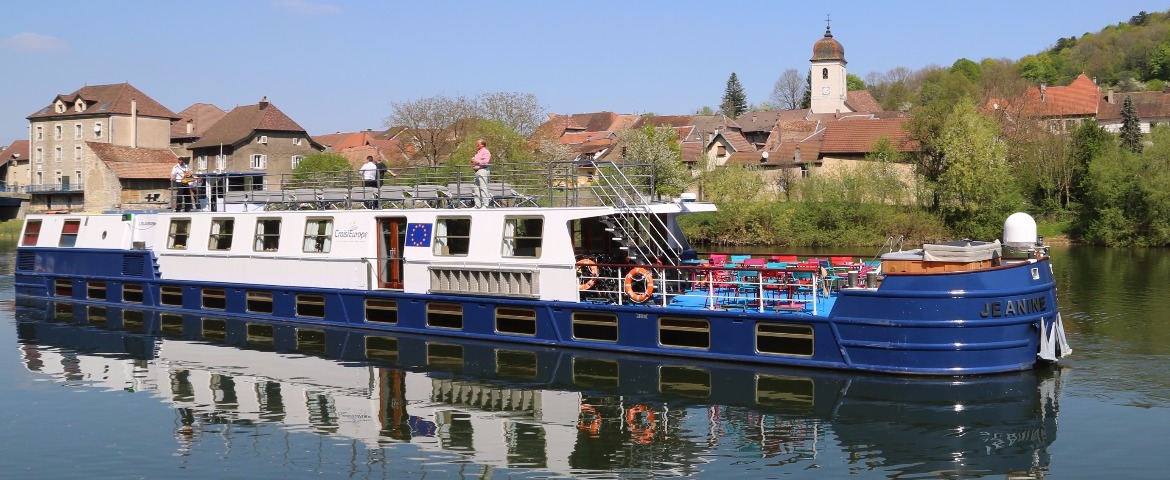

| 31 March | 6 days | One-way from Kehl-Strasbourg to Lagarde-Moselle |
450-628-6241
Call us
|
| 31 March | 6 nights | One-way from Kehl-Strasbourg to Lagarde-Moselle |
450-628-6241
Call us
|
| 26 May | 6 nights | One-way from Kehl-Strasbourg to Lagarde-Moselle |
450-628-6241
Call us
|
| 26 May | 6 days | One-way from Kehl-Strasbourg to Lagarde-Moselle |
450-628-6241
Call us
|
| 29 September | 6 days | One-way from Kehl-Strasbourg to Lagarde-Moselle |
450-628-6241
Call us
|
| 29 September | 6 nights | One-way from Kehl-Strasbourg to Lagarde-Moselle |
450-628-6241
Call us
|
MS Madeleine
35 Cruises
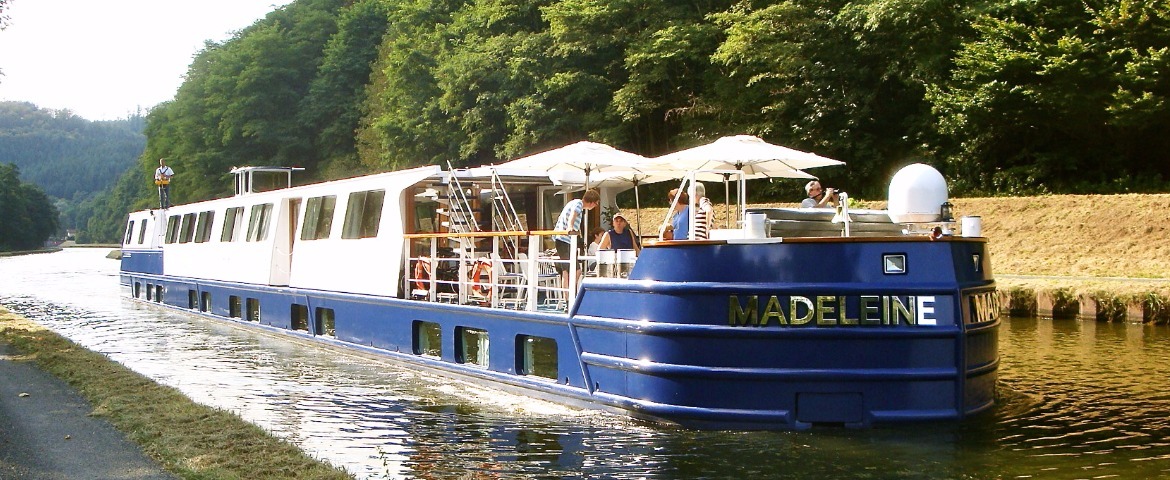
| 25 March | 6 nights | One-way from Kehl-Strasbourg to Lagarde-Moselle |
450-628-6241
Call us
|
| 25 March | 6 days | One-way from Kehl-Strasbourg to Lagarde-Moselle |
450-628-6241
Call us
|
| 20 May | 6 nights | One-way from Kehl-Strasbourg to Lagarde-Moselle |
450-628-6241
Call us
|
| 20 May | 6 days | One-way from Kehl-Strasbourg to Lagarde-Moselle |
450-628-6241
Call us
|

Lutzelbourg France | Alsace Canal & River Cruise Guide
Frequently Asked Questions
A few steps from the houses, on the Marne–Rhine canal at the bottom of the Zorn valley. The village stretches between forested slopes and pink sandstone cliffs.
Climb to the castle ruins for the view, then come back down to walk or cycle the towpath. A café terrace covers the rest of the programme.
About twenty minutes of easy effort on a path zigzagging up between beeches and sandstone outcrops. The castle was built in the 11th century on its rocky spur.
The whole valley: the canal, the river and the railway threading side by side between wooded hills. It is one of those panoramas that explain a region better than a map.
A transverse boat lift unique in Europe, working since 1969, a few kilometres upstream. It hauls barges up a 44.55-metre slope inside a huge water-filled caisson.
Four minutes, where seventeen locks once took a whole day. Most river cruises use it, and riding the ascent from the deck is a moment people recount for years.
Yes. Abandoned in its little valley since the inclined plane opened, it can now be walked, complete with its lock-keepers' cottages.
Downstream, Saverne and its Rohan château, whose 140-metre sandstone façade faces the canal, about ten kilometres away. Uphill, trails in the Northern Vosges lead to other ruins and to rocks sculpted by erosion.
Specialities of the Lorraine–Alsace border: kougelhopf, smoked charcuterie and Alsace wines from just next door. Excursions offered during calls often showcase them.
No, and that is the point. A few shops, one terrace, a lock working and the cry of a kite over the firs. You have to accept doing nothing but looking: that is exactly what the place asks.


