Moret-Loing-et-Orvanne France | Medieval Loing River Guide

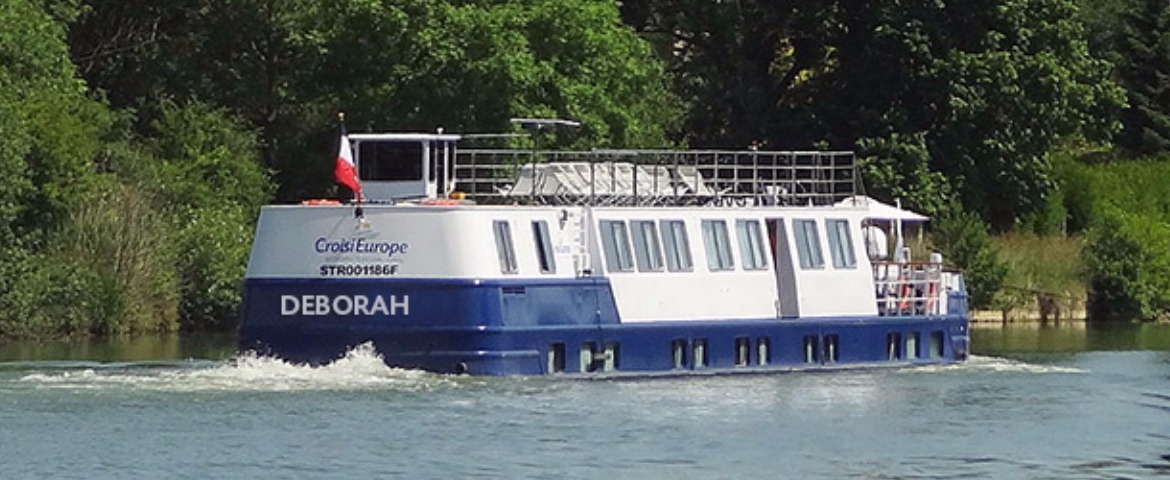
Alfred Sisley painted this landscape more than four hundred times, and you only need to step ashore to understand why. The bridge over the Loing, the washhouses, the church rising above the rooftops, the reflections of façades in the slow water: Moret-sur-Loing, heart of the commune of Moret-Loing-et-Orvanne, still composes today the picture the Impressionist master never tired of painting. River boats stop at the foot of the medieval town, at the edge of the Forest of Fontainebleau.

A 12th-Century Fortified Town

Moret was a royal stronghold under Philip Augustus, a lock on the Capetian domain facing neighbouring Burgundy. A rare ensemble remains: two fortified gates facing each other at either end of the main street, a keep, sections of rampart and half-timbered houses leaning over the alleys. Passing through the Porte de Bourgogne means entering a setting that has stayed faithful to its old engravings, where every detail seems to have been in place for eight centuries.

In Sisley's Footsteps

The painter spent his last years here and died in 1899. He rests in the town cemetery, a few streets from his last studio. A trail marked with reproductions lets you compare the canvases with the actual viewpoints: the Church of Notre-Dame, which he depicted fourteen times in every light, the bridge, the riverbanks and the poplars. The light along the Loing, changing and soft, explains the artist's persistence. Walking along the river at the end of the day, when the façades are reflected in the water, is like walking through his paintings one by one.

The Church and the Lanes

Notre-Dame, begun in the 12th century, blends early and Flamboyant Gothic beneath an imposing apse. Around it, the lanes hold surprises: carved Renaissance façades, hidden courtyards, old shop signs. The Rue Grande, the single axis between the two gates, concentrates shops and remarkable houses, including the one where tradition says Napoleon stayed on his return from Elba, one night in March 1815.

The Nuns' Barley Sugar

Since 1638, Moret has made a barley sugar candy whose exact recipe the Benedictine nuns long kept secret. The amber sweets are still sold in illustrated tins, and a small museum set up in the Provencher mill tells the story of this four-century-old treat. A local brotherhood upholds the tradition during the town's festivals. The ideal port-of-call gift here fits into a hundred golden grams.

Ideas for the Day

  • The town can be explored on foot in two hours, riverbanks included; everything begins a few minutes from the river stop.
  • The old bridge offers the classic view of the mills and the church, especially in the morning.
  • The Forest of Fontainebleau borders the commune; the royal château is about ten kilometres away.
  • The banks of the Orvanne and the canal extend the walk for keen walkers.

Before Casting Off

A terrace facing the river, an ice cream or a glass of Gâtinais cider, and time slows down to the speed of the current. Ducks paddle up the millrace, a kayak passes under an arch, the bells chime the quarter hour. You understand why Sisley never wanted to leave.

The boat pulls away and the town's silhouette recomposes itself one last time, steeple in the centre, exactly as in the canvases now scattered across the world's museums. The town leaves the singular impression of having walked through a still-wet painting, and the urge to check, one day, whether this light really changes every hour.

Frequently Asked Questions

At the foot of the medieval town of Moret-sur-Loing, on the edge of the Fontainebleau forest. Everything begins a few minutes from the river landing.
The Impressionist painter depicted this landscape more than four hundred times. He spent his last years here, died in 1899 and lies in the communal cemetery, a few streets from his final studio.
Yes. A trail marked with reproductions lets you compare the canvases with the real viewpoints: Notre-Dame church, which he painted fourteen times in every light, the bridge, the banks and the poplars.
A rare ensemble: two fortified gates facing each other at either end of the main street, a keep, stretches of rampart and half-timbered houses leaning over the lanes. Moret was a royal stronghold under Philip Augustus, the Capetian bolt against neighbouring Burgundy.
The town takes two hours on foot, riverbanks included. The old bridge gives the classic view of the mills and the church, best in the morning. The banks of the Orvanne and the canal extend the walk.
Begun in the 12th century, it blends Early and Flamboyant Gothic beneath an imposing chevet. It is the building Sisley returned to again and again across hours and seasons.
It is a sweet made here since 1638, whose exact recipe the Benedictine nuns long kept to themselves. The amber drops are still sold in illustrated metal tins: the ideal souvenir weighs a hundred golden grams.
Yes, a small museum in the Provencher mill tells the story of this four-century confection. A local brotherhood upholds the tradition during the town's festivals.
Tradition places his stay in a house on rue Grande, one night in March 1815, on his return from Elba. Rue Grande is the single axis running between the two fortified gates.
Yes, the Fontainebleau forest borders the commune and the royal château is about ten kilometres away. It is an excursion in itself: on a short call, choose between the château and the medieval town.