Niderviller France

25 Cruises availables At departure or passage at this port

CroisiEurope (25 Cruises)

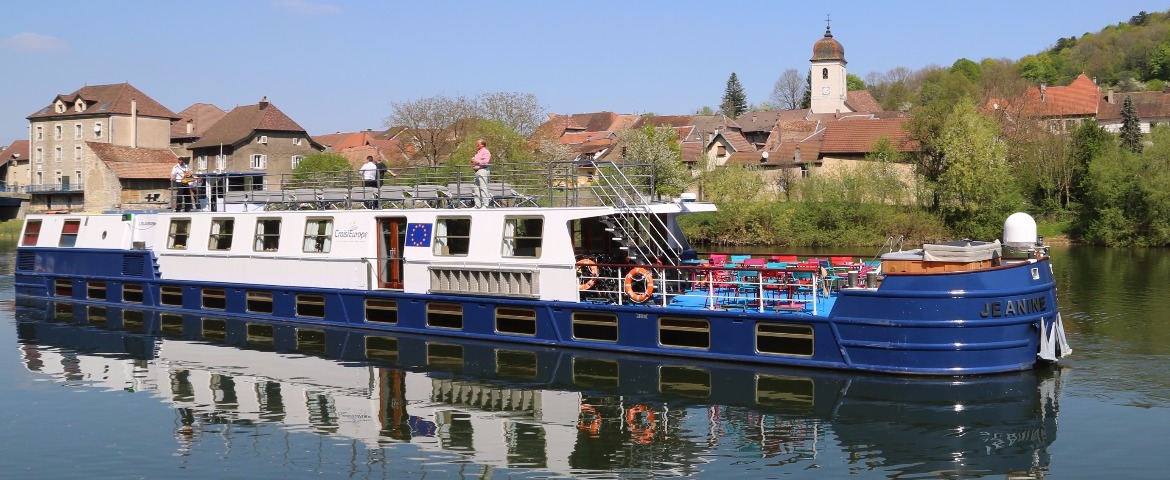
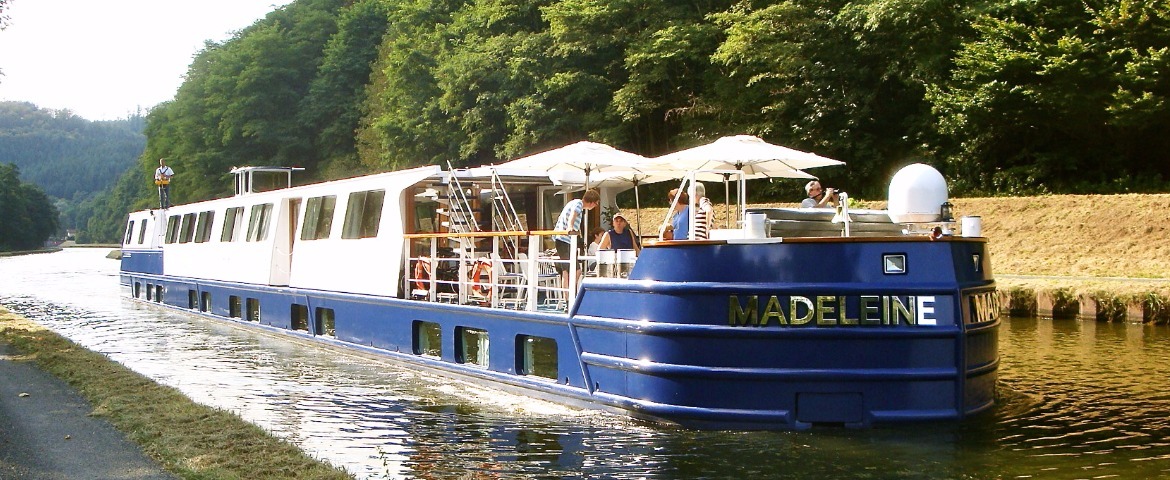
Cruise CE Croisieurope Madeleine ship

MS Madeleine

22 Passengers
Visit the ship's page

Niderviller France | Lorraine Canal & Cultural Cruise Guide

On the Marne–Rhine Canal, between the first hills of the Vosges and the forests of Moselle, the barge slows in front of a flower-filled village whose name has graced Europe's tables for nearly three centuries: Niderviller. Here, there is no terminal or waterfront; just a leafy mooring, Lorraine houses with red roofs and a manufactory that has been shaping faience since 1735. The port call unfolds at the pace of the canal, slow and peaceful, punctuated by the passage through the locks.

A village born of earth and fire

The Niderviller faience works, founded in 1735 and still in operation, made the village's reputation. Its delicate floral decorations and bisque porcelain figurines once graced the great houses of Europe. The manufactory shop lets you leave with a piece bearing the house monogram, and you can sometimes catch a glimpse of the artisans at work. Plates with floral decoration, coffee sets, porcelain birds: every piece still comes from local moulds and hands. For anyone interested in tableware, this stop alone justifies walking down the gangway.

The Saint-Louis-Arzviller inclined plane

A few kilometres to the east, the canal holds one of the most astonishing structures in French navigation: the Saint-Louis-Arzviller inclined plane. Opened in 1969, this transverse boat lift hoists vessels in an immense water-filled tank along a slope with a 44 m drop, replacing in a single movement the 17 locks that once took an entire day. Many river cruises use it or offer an outing to watch it; seeing a barge climb the hill in its steel bathtub remains a sight people talk about for a long time.

Sarrebourg and the Chagall window

The neighbouring town of Sarrebourg, about 6 km away, pleasantly rounds out the day. In the Chapelle des Cordeliers, a monumental stained-glass window by Marc Chagall entitled La Paix (Peace) spreads its deep blues over about twelve metres in height: lovers, animals and biblical figures float in the light. The nearby Musée du Pays de Sarrebourg displays Gallo-Roman archaeology and regional faience, including, as it happens, that of Niderviller.

Walk, cycle, breathe

Around the mooring, the towpath is suited to walking as well as cycling. The banks are lined with reeds, willows and vegetable gardens; grey herons take off as walkers approach and dragonflies patrol above the water. The surrounding forest already heralds the Vosges: shady trails, the scent of resin and a silence barely disturbed by the lapping of a lock filling up. In season, the mirabelle plum orchards remind you that you are in Lorraine; local bakeries fill their tarts with them, and it would be a shame to miss out.

Practical pointers for the port call

PlaceDistance from the mooringInterest
Niderviller faience worksOn site, on footManufactory founded in 1735, shop
Arzviller inclined planeA few kilometres by canal or road1969 boat lift
SarrebourgAbout 6 kmChagall's La Paix window, museum
TowpathAt the foot of the gangwayWalking and cycling along the water

When the lock bell rings

When evening comes, the Lorraine façades take on a golden hue and swifts wheel above the rooftops. You return on board with, perhaps, a faience cup wrapped in tissue paper and the memory of a blue stained-glass window. This stop is nothing spectacular; it offers something else: the Lorraine of the canals, the one that works the earth with patience and has watched the boats go by for three hundred years. An afternoon is enough to understand why so many travellers count it among their best river cruise memories.

Frequently Asked Questions

At a leafy mooring on the Marne–Rhine canal, between the first Vosges hills and the forests of the Moselle. There is no terminal and no seafront: the village begins at the end of the gangway.
Its faience works, founded in 1735 and still in production. Its delicate floral decoration and biscuit porcelain figurines once furnished the great houses of Europe.
The factory shop lets you leave with a piece bearing the house monogram, and you can sometimes glimpse the craftspeople at work. Floral plates, coffee services and porcelain birds still come from moulds and hands here.
The faience works, then a walk or a bike ride along the towpath. If the excursion is offered, Sarrebourg and its Chagall window fill the half day.
It is a transverse boat lift opened in 1969, a few kilometres to the east. It raises vessels in a huge water-filled caisson up a 44-metre slope, replacing in a single movement the 17 locks that once took a full day.
Yes, many cruises either use it or offer a trip to watch it from the bank. Seeing a barge climb the hillside in its steel bathtub is a spectacle people talk about for years.
A monumental Marc Chagall stained glass window titled La Paix, in the Cordeliers chapel, spreading its deep blues over some twelve metres of height. The town is about 6 kilometres away.
Gallo-Roman archaeology and regional faience, including pieces from Niderviller itself. It stands close to the Cordeliers chapel.
Yes, the towpath suits both. The banks are lined with reeds, willows and vegetable gardens; grey herons lift off as walkers approach. The forest massif already announces the Vosges: shaded paths and the smell of resin.
Mirabelle plum, in season. The orchards are a reminder that this is Lorraine, and local bakeries fill their tarts with them: it would be a shame to miss out.