Pont-l'Évêque Oise France | Authentic French Countryside Guide

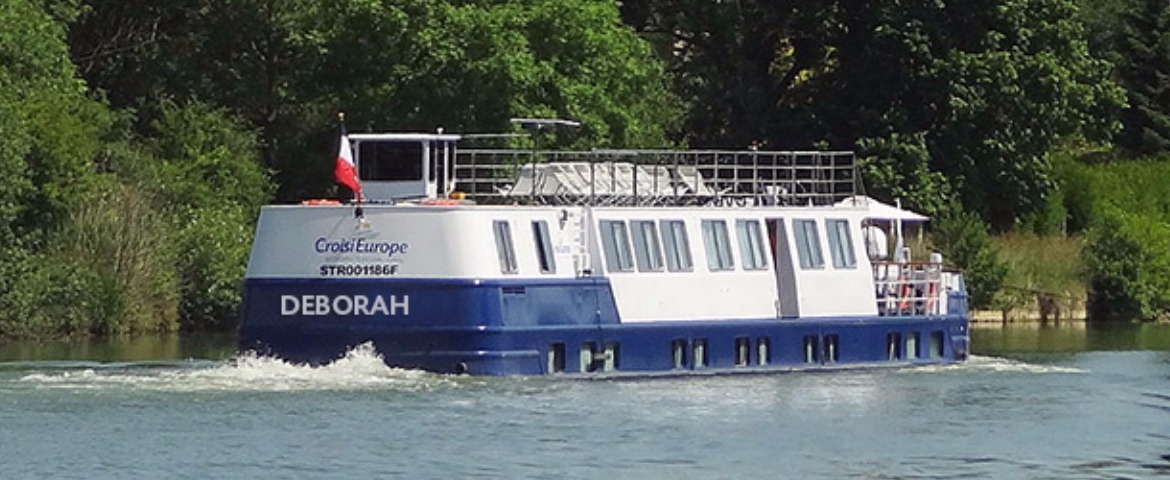
The lock closes silently behind the barge, the water rises a few metres, and the landscape resumes its slow march: poplars, meadows and bell towers. This is how you arrive in Pont-l'Évêque, a village set at the junction of the Canal latéral à l'Oise and the Canal du Nord, on the doorstep of Noyon. Here, there is no terminal or harbour crane — just a grassy quay where cruise barges moor for an evening, in a silence broken only by waterbirds. The scale of the voyage changes everything: these barges carry only a handful of passengers, and the port call feels like a visit with friends.

A village born of river transport

Pont-l'Évêque has lived to the rhythm of the water for generations. The brick façades lined up along the canal, the old lock keepers' houses and the gardens running down to the bank tell a working-class, river-based story typical of the Hauts-de-France region. A walk along the towpath is enough to grasp the spirit of the place: you meet anglers, cyclists and sometimes a commercial barge slowly heading upstream.

Noyon, a few minutes away

The port call's main event is right next door. Noyon boasts one of the very first Gothic cathedrals in northern France: Notre-Dame, begun in the second half of the 12th century, still blends late Romanesque art with emerging Gothic. Its bright nave, its cloister and its half-timbered chapter library form a highly coherent ensemble, visited without the crowds of major tourist sites. Some cruises even offer the cathedral illuminated in the evening — a moment suspended in time.

Calvin's town

Noyon is also the birthplace of John Calvin, a major figure of the Reformation, born here in 1509. A museum is devoted to him in a reconstructed house in the old centre. Around it, the lanes lead to the market square and the Flamboyant Gothic town hall, where you can easily take the pulse of this small Picardy town.

Between abbeys and forests

The Oise valley unfolds around the village a countryside rich in heritage: Ourscamp Abbey and its romantic ruins stand a few kilometres away toward Compiègne, and the state forests bordering the river offer lovely bike outings from the towpath. It is a discreet region, better discovered from the water than from the road.

The flavours of the Noyon area

The local table plays on Picardy simplicity: gratinéed ficelle picarde, regional cheeses and above all the red berries that made its reputation — every summer, a red fruit market is held here, a tradition born of the redcurrants and raspberries grown in the surrounding gardens. A red berry tart bought at a bakery is delicious enjoyed on deck on the way back.

Compiègne, the other excursion

Upstream, Compiègne rounds out the day nicely when the itinerary allows: its royal palace with imperial apartments, its Flamboyant town hall and, in the nearby forest, the Armistice Clearing where the end of the Great War was signed, with its museum railway carriage steeped in history. Between religious Noyon and imperial Compiègne, the Oise valley concentrates a digest of French history that many more famous regions might envy.

When the canal falls asleep

At departure, the barge resumes its course between the banks, and Pont-l'Évêque returns to its tranquillity. This port call does not seek to dazzle; instead, it leaves the memory of a river France you thought had disappeared, where time is measured in locks. You are surprised to have found so much there, so far off the beaten track.

Frequently Asked Questions

At a green quay with no terminal and no port cranes, where the Oise lateral canal meets the Canal du Nord, on the edge of Noyon. Cruise barges tie up for an evening in a silence broken only by waterfowl.
No, and the confusion is common. The Pont-l'Évêque on river cruise itineraries is a village in the Oise, in the Hauts-de-France region, near Noyon. The PDO cheese comes from its Norman namesake in Calvados, hundreds of kilometres away.
Small barges carrying only a handful of passengers. The scale changes everything: the call feels less like a shore landing and more like visiting friends.
Go to Noyon, right next door. Its Notre-Dame cathedral, begun in the second half of the 12th century, is among the earliest Gothic cathedrals in northern France and still blends late Romanesque with early Gothic. A luminous nave, a cloister, a timber-framed chapter library, and almost no crowds.
Few monuments, and it is better to know that in advance. What you find is a bargemen's village: brick facades along the canal, former lock-keepers' houses, gardens sloping to the water. A walk on the towpath is enough to take in the place.
John Calvin, a central figure of the Protestant Reformation, was born in Noyon in 1509. A museum devoted to him occupies a reconstructed house in the old centre. Nearby lanes lead to the market square and the flamboyant Gothic town hall.
Yes when the itinerary allows, and it rounds out the day well: a royal palace with imperial apartments, a flamboyant town hall, and in the nearby forest the Armistice clearing with its museum railway carriage. But you must choose between Noyon and Compiègne. Both in one call is too much.
Yes. The towpath follows the canal toward state forests and Ourscamp abbey, whose romantic ruins stand a few kilometres in the direction of Compiègne. The terrain is flat.
The euro. In a village this size shops are few and a card terminal is not guaranteed. Bring cash, especially if you plan to buy at the bakery or from a local producer.
Red fruit. Redcurrants and raspberries grown in the surrounding gardens made the Noyon area's reputation, celebrated each summer at a red fruit market. On the savoury side, the gratinéed ficelle picarde remains the reference dish.